Think you can save the Hubble Space Telescope? NASA wants to know.
The space agency solicited ideas for reboosting Hubble four years ago, but they didn't go anywhere.
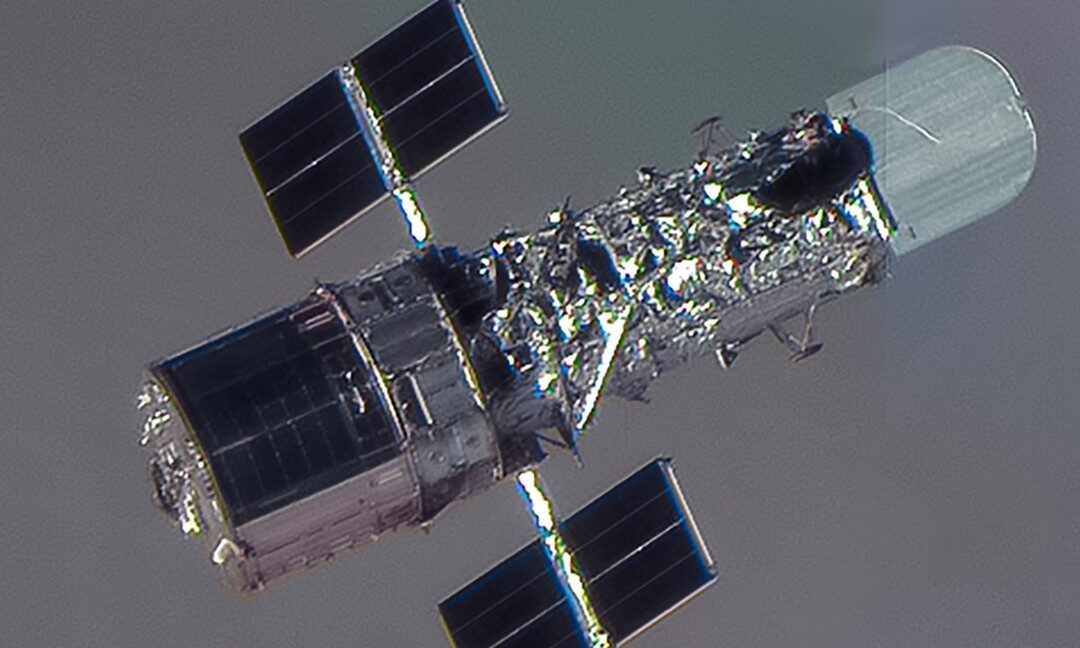
The Hubble Space Telescope, a marvel of modern astronomy, has been orbiting Earth for 36 years. However, its age has taken a toll on its mobility. Without intervention, Hubble is set to re-enter Earth's atmosphere sometime between 2030 and 2035, marking the end of a significant scientific tool. The last attempt to rejuvenate Hubble was in 2002, during a Space Shuttle Columbia servicing mission.
This was followed by a 2009 shuttle flight that did not perform the necessary orbit-raising procedure. With the shuttle fleet retired two years ago, Hubble's altitude has been declining steadily, with no means to halt its inevitable descent. NASA has taken notice of this issue and has issued a Request For Information (RFI) to commercial entities.
The agency is seeking innovative proposals on how to either boost Hubble back to an altitude of 373 miles (600 km), enhance its performance, or ensure a controlled re-entry. Responses from interested parties are due by November 30.
Written by urgent.news from Ars Technica's reporting — not their text. Machine-written — may contain errors; check the original before relying on it.
This story
This is one outlet's version. Read the fullest account.