The reason most electrical plug prongs have holes in them
If you've ever looked at the end of a plug, you've probably wondered why some have holes, and some don't - and no, it's not actually a big conspiracy theory.
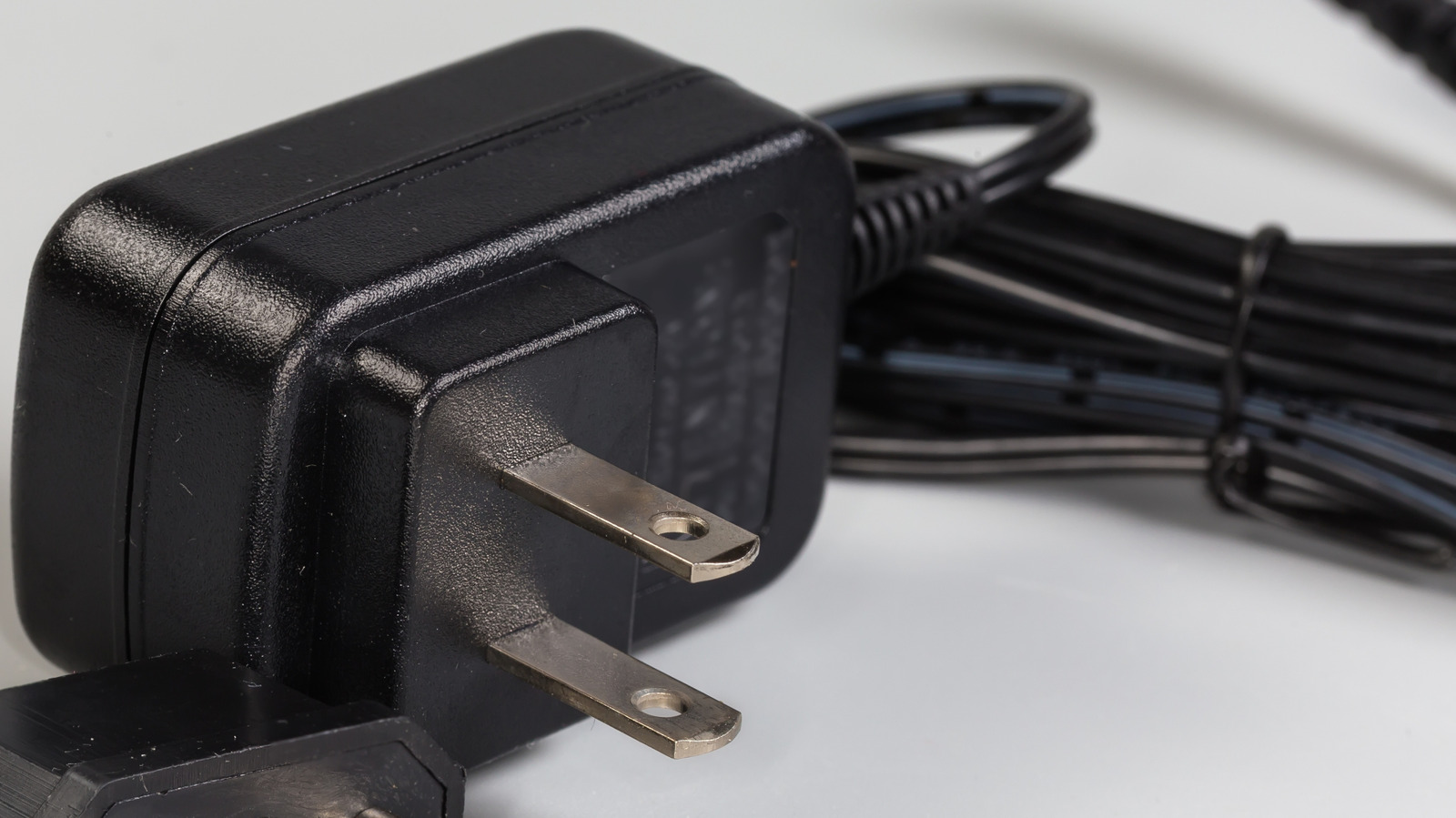
Those tiny holes found in electrical plug prongs may seem like an odd design choice, but they serve a specific purpose in the manufacturing process. Originally, these holes were paired with a small raised feature within the wall outlet, known as a detent. The detent clicked into the hole, helping to secure the plug in place. However, this mechanism is no longer required by modern safety standards, which now mandate that plugs remain securely in the outlet without the need for holes.
As a result, most manufacturers have stopped using the detent design in plug blades, leaving the holes largely optional. Despite this, the holes remain compatible with both older and newer wall outlets, ensuring that plugs with holes still function correctly. Therefore, there's no need for consumers to prioritize plugs with holes over those without; instead, focus on ensuring the plug and outlet are in good condition for a secure connection.
Written by urgent.news from Engadget's reporting — not their text. Machine-written — may contain errors; check the original before relying on it.