Space Outposts Beyond the Moon May Rely on Planetary AI
NASA plans to return astronauts to the lunar surface in 2028 for the first time since Apollo 17 in 1972. But the famed agency has no intention of stopping there, as they plan to establish a permanent human presence on the Moon through a slow and meticulous process involving power, resource extraction, and habitat technologies. However, with the soaring use of artificial intelligence (AI) in our…
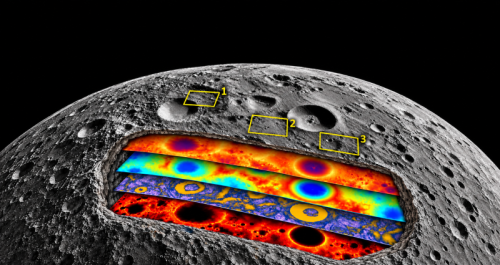
NASA's plans to return astronauts to the lunar surface in 2028 and establish a permanent presence on the Moon are set to incorporate advanced artificial intelligence (AI) technologies. Researchers from The Ohio State University have developed a novel AI model called LUMINA, which could help identify safe landing sites for future outposts on the Moon and potentially Mars.
LUMINA, an agentic AI framework, evaluates landing sites on the lunar surface based on key resources, scientific value, geology, and surface properties. The model incorporates data from various sources, including orbital images, topography, and terrain hazards, to provide a comprehensive assessment of potential landing sites. The researchers envision LUMINA being used for other planetary bodies, particularly Mars, as AI systems become increasingly critical tools for space exploration.
NASA's Moon to Mars Architecture aims to develop the necessary technologies for both the Moon and Mars missions, including power systems, transportation, habitation, life support, robotics, in-situ resource utilization (ISRU), and communications. ISRU, which utilizes local resources for crew use and survival, plays a crucial role in creating self-sustaining systems on the Moon and Mars.
By identifying optimal landing sites using LUMINA, mission planners can better support future mission planning and development of these essential technologies.
Written by urgent.news from Universe Today's reporting — not their text. Machine-written — may contain errors; check the original before relying on it.