It broke again: a short about the same bug coming back, and the incident note I write now
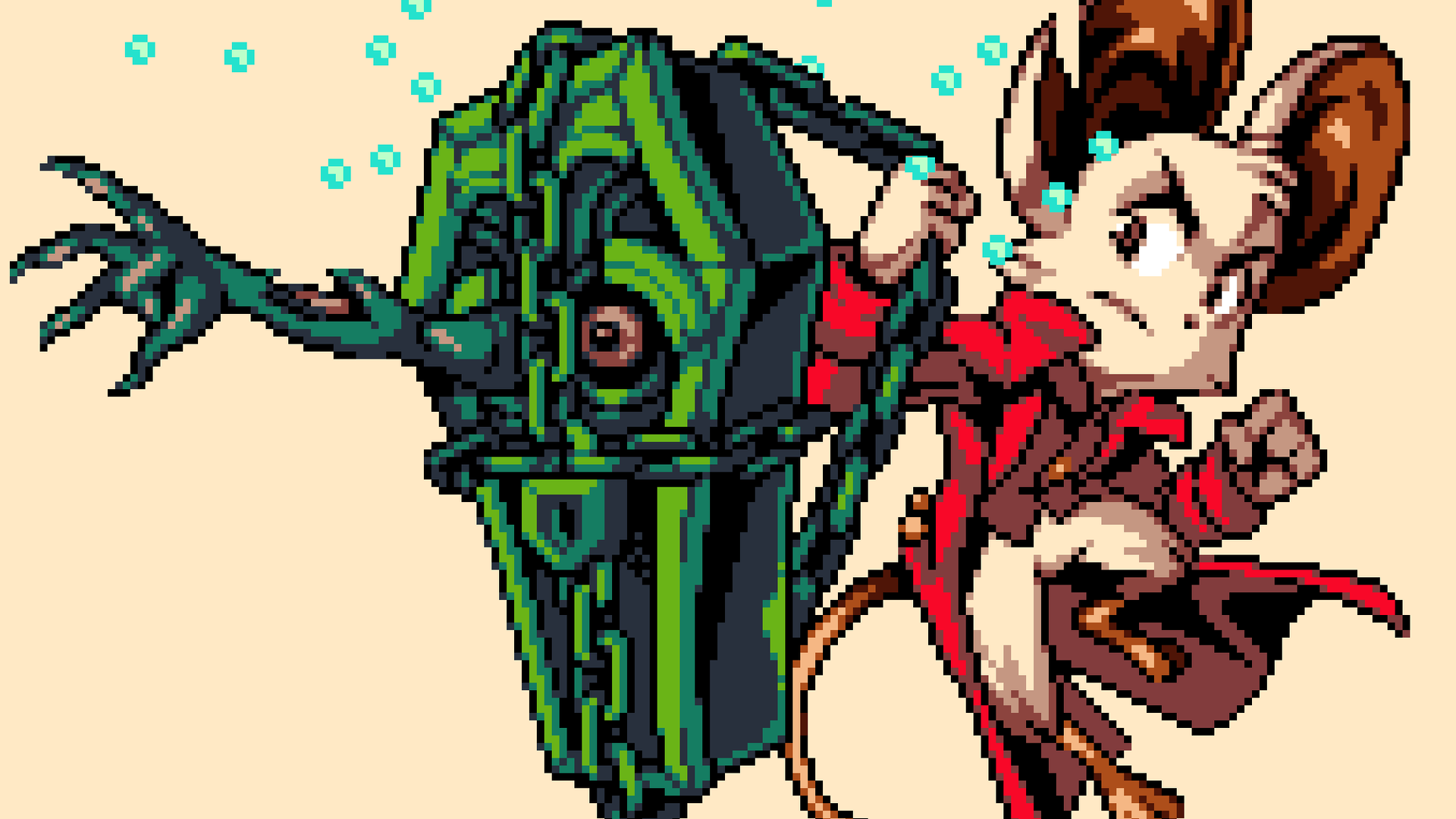
Episode 2 of our Rozz shorts is about a bug that comes back. Customers got three payment emails for one invoice. Rozz opens the Incidents dashboard, then the incident note, and works through it: symptom, root cause, fix, prevention. The note on Rozz's screen is a real one from Dev Second Brain, the Obsidian vault template for developers. It's one of the example incident notes that comes with it:…
Episode 2 of Rozz's series delves into a recurring issue where customers received duplicate payment emails for a single invoice. To address this, they navigate through the Incident dashboard and incident note using Rozz's open-source tool called Dev Second Brain. The note in question is a real-life example provided by the Obsidian vault template designed for developers.
The bug arose due to a new step that made a webhook handler slower than the provider's timeout. Since the handler was not idempotent, each retry triggered another email to be sent.
The incident template outlines four crucial components: Symptom, Root Cause, Fix, and Prevention. Symptom section captures user reports, alerts, or log information, allowing space to paste relevant log lines. Root Cause is where the actual reason behind the incident is identified, rather than just its initial trigger. The Fix section details the changes made, including the associated pull request or commit.
Lastly, the Prevention section includes checkboxes for tests or alerts that would have potentially detected the issue earlier.
Creating an incident note involves providing a severity rating, filing the note in the 40 Incidents folder with the current date in the name, and tracking its status as open, mitigated, or resolved. The Incidents dashboard, powered by Dataview, simplifies the process by listing unresolved incidents, highlighting any unchecked Prevention items, and grouping logs by cause and service. If a particular service continues to cause problems, it will appear in the dashboard for easy tracking.
Prevention work that remains pending is kept on the list until the practitioner checks it off. To utilize this tool, users need Obsidian (free) along with the free Templater and Dataview plugins. All of these components are available as plain Markdown files on your own device. Episode 3, titled "Standup amnesia," is scheduled to release the following day.
Dev Second Brain can be purchased for $19 on Gumroad, allowing one person per copy for both personal and commercial use. More information about the creator's work can be found at https://engelailabs.com.
Written by urgent.news from Dev.to's reporting — not their text. Machine-written — may contain errors; check the original before relying on it.