Inside India’s Cockroach Protests
The youth movement that has roiled the country prepares its next move.
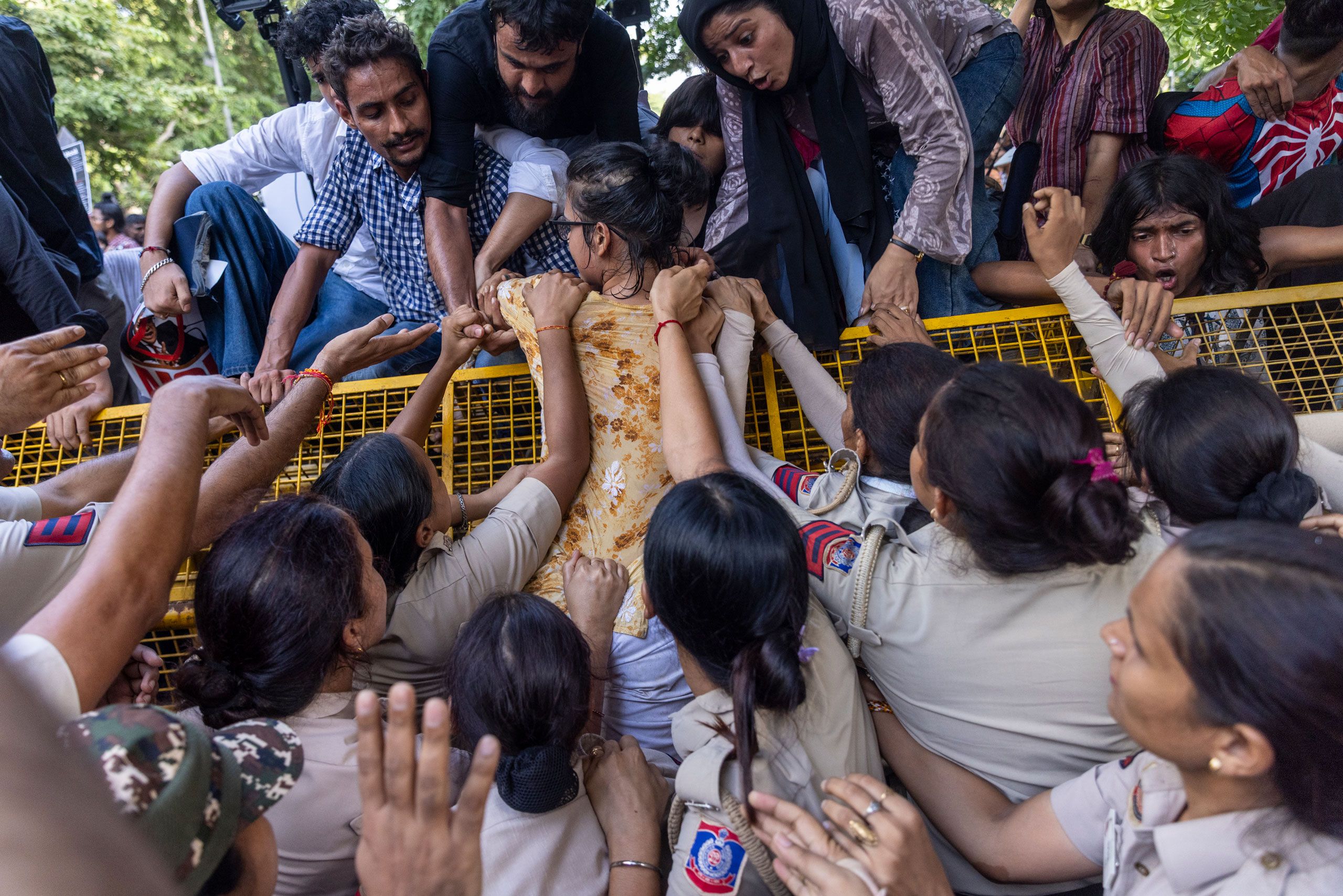
Connaught Place, the bustling heart of India's capital, has seen a surge of student activism this summer. The protests began when students staged a hunger strike at the Jantar Mantar observatory, drawing attention to corruption in the education system. Their anger was initially directed at Dharmendra Pradhan, the education minister who led Narendra Modi's Cabinet.
In May, it was announced that the entrance-exam for Indian medical schools would be scrapped due to leaked and sold entrance exam papers. This news caused financial and emotional distress, leading to the death of at least twenty-one students by suicide. The protests led to Pradhan's resignation and ignited a widespread social movement led by the young, with India's student population of three hundred and seventy million giving the ruling party a significant setback.
As the summer protests came to an end, Jantar Mantar was deemed unsafe for further demonstrations. A ten-day holiday festival, Dussehra, was in its final stages, and the crowds in Connaught Place were fewer than usual. However, the presence of military vehicles, police, and constables remained noticeable. In the afternoon, I encountered Mujeef Ali selling healing oils outside Jantar Mantar to the C.R.P.F. men.
I bought a vial of the oil for a hundred rupees, as he offered to rub it on my aching knee. The soldiers laughed, envisioning the potential healing effects of the oil against their batons.
Anjali, a young woman in her mid-twenties and a member of the All India Students' Association, shared her experiences of being detained by the police and paramilitary. She described how police officers treated the protesters with brutality, even when they complied with instructions. Anjali, a gender studies graduate, now enrolled in a master's course in Buddhism, expressed her renewed confidence and determination in her ideas about democracy. The protests gave her a sense of empowerment, emphasizing that the people had little to lose.
Support for the movement came from unexpected quarters. A female constable, witnessing the protests, expressed her admiration for the students' cause. She even helped a group of young women escape the detention bus by removing the latch. Journalist M. Rajshekhar reported on similar incidents where detainees were subjected to physical abuse. Lawyers like Arjun Unnikrishnan have documented cases of officers slapping and kicking detainees, including Unnikrishnan himself.
The protest movement's impact extended beyond education. In a nearby locality of Pitampura, I witnessed the burning of a cockroach effigy, signifying a new demon in Hindutva mythology. The student movement, which began as a reaction to Chief Justice's reference to unemployed youth as "cockroaches," had given birth to the Cockroach Janta Party (C.J.P.). Led by Abhijeet Dipke, a recent graduate of Boston University, the party quickly gained millions of supporters, highlighting the growing discontent among the youth in India.
Written by urgent.news from The New Yorker's reporting — not their text. Machine-written — may contain errors; check the original before relying on it.