He posed as a Bible salesman to sneak his camera into factories. It was risky, but Lewis Hine’s photos eventually helped end child labor in America
His pictures of children in mills, mines and canneries stand as a powerful example of photography driving change
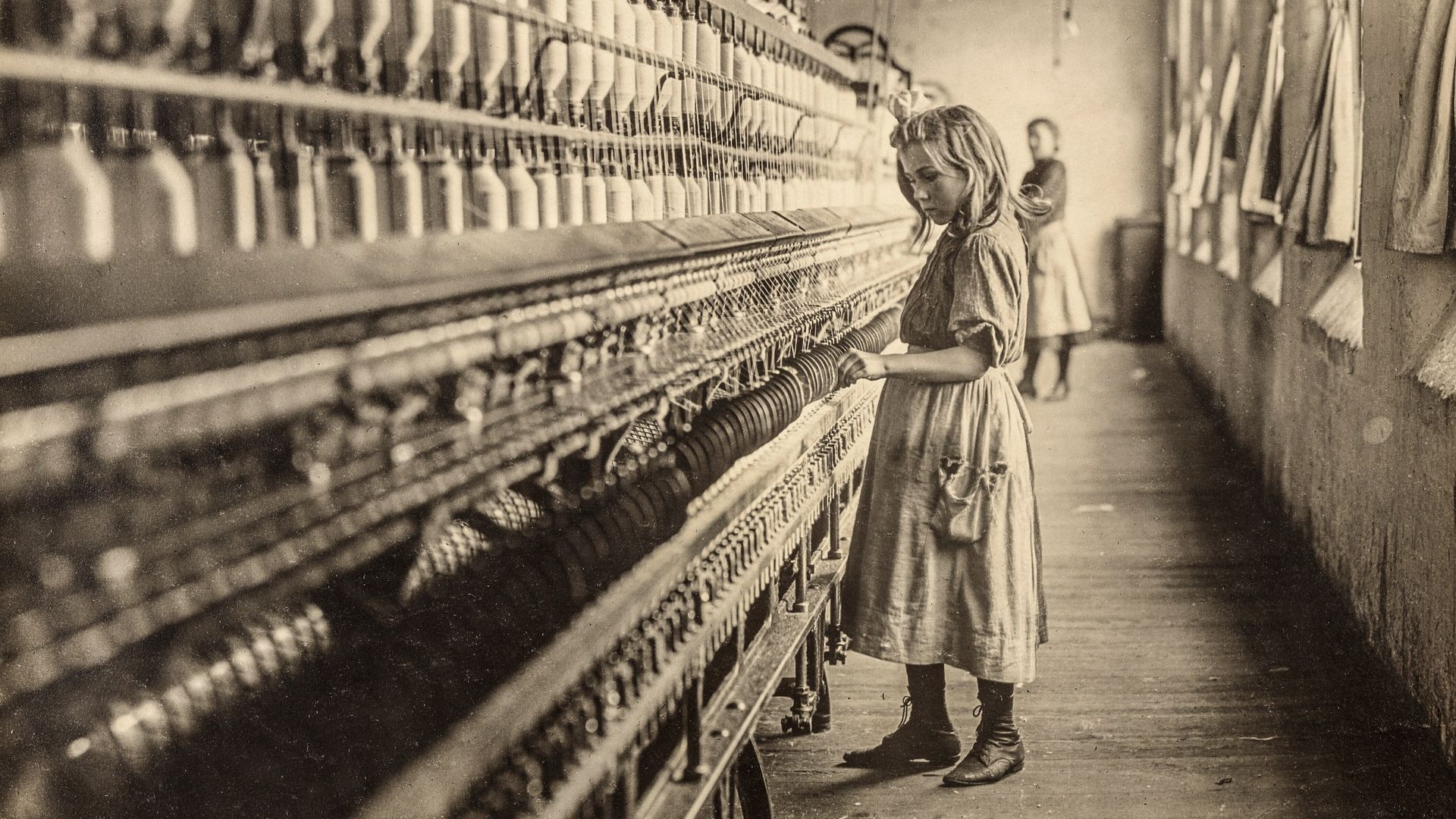
In the early 20th century, Lewis Wickes Hine, a teacher-turned-photographer, embarked on a mission to expose the harsh realities of child labor in America. For a decade, from 1908 to 1924, Hine traveled across the country, capturing the grim scenes of children toiling away in factories, mines, and canneries. His images, often taken under disguise, showed children as young as five working long hours in dangerous conditions.
Born in 1874 in Oshkosh, Wisconsin, Hine had to work to support his family after his father's death. He later became a teacher and began using his camera as a teaching tool, focusing on immigrant children. His work caught the attention of the National Child Labor Committee (NCLC), a group fighting for reform. Hine adopted various disguises to gain access to the factories and sites, facing threats from factory officials.
The NCLC utilized his photos in their campaign, leading to the establishment of the federal Children’s Bureau in 1912. Child labor was ultimately abolished in the US by the Fair Labor Standards Act of 1938. Hine continued his crusade, photographing the Red Cross's relief efforts in Europe during and after World War One. He also documented the construction of the Empire State Building in 1930, swinging in a basket 1,000ft above Fifth Avenue.
Tragically, Hine's final years were marked by dwindling commissions, fading interest, and financial difficulties. He passed away in 1940 at the age of 66. Lewis Hine's powerful images continue to serve as a reminder of the transformative power of photography and its ability to bring about change.
Written by urgent.news from Digital Camera World's reporting — not their text. Machine-written — may contain errors; check the original before relying on it.