Google's Project Suncatcher Achieves Major Milestone As AI Model Successfully Runs On Satellite, Sends First Response To Earth | Watch
New Delhi: Google has successfully run an artificial intelligence (AI) model on a satellite in orbit and received its first complete response back on Earth, marking a key milestone in its Project Suncatcher initiative to explore the possibility of running AI computing infrastructure in space. Our TPUs just phoned home... from space. ICYMI, on October 1, we sent four TPUs into orbit to test…
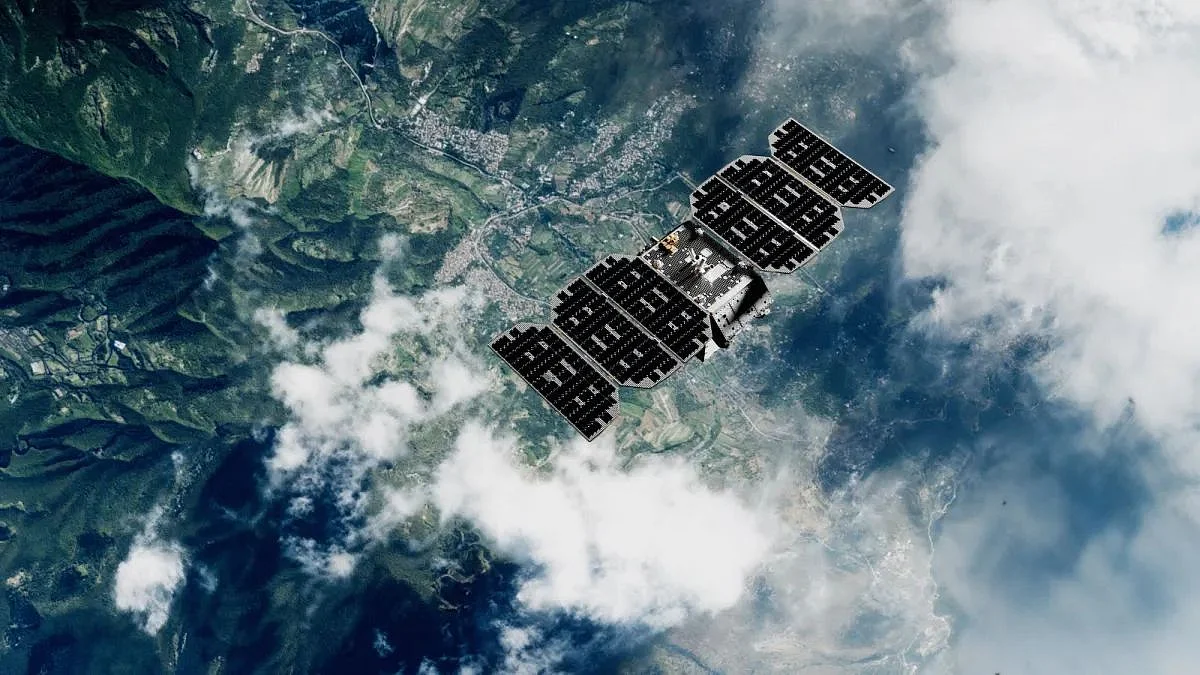
Google's Project Suncatcher has reached a significant milestone by successfully running an AI model on a satellite in orbit and receiving a complete response back on Earth. The company's Tensor Processing Units (TPUs) were launched on October 1 to test if AI hardware could operate in space. Google CEO Sundar Pichai announced the development, describing it as a "hello world" milestone for the project.
The team sent a command to the satellite, booted up its TPU, ran a prompt, and received the first complete response on Earth - a haiku. After the satellite's initial launch, it completed its commissioning checks, powering up its host and TPU trays and running early machine learning tests. The next phase involves testing the TPUs' performance under thermal stress and radiation exposure in orbit, paving the way for a milestone with two interconnected satellites in 2027.
This development could enable satellites to handle larger AI workloads, utilizing the near-constant sunlight available in low Earth orbit, which could potentially generate up to eight times more solar power than on Earth.
Written by urgent.news from Free Press Journal's reporting — not their text. Machine-written — may contain errors; check the original before relying on it.
This story
This is one outlet's version. Read the fullest account.