As AI cyber risks grow, Chinese chip expert urges shared ethics standards with US rivals
The co-founder of Chinese chip giant Cambricon Technologies urged the introduction of universal ethical requirements for leading Chinese and American artificial intelligence models on Friday to mitigate growing risks to society. Chen Yunji’s remarks at an event in Shanghai come as the rapid advance of AI systems globally has resulted in a string of high-profile cyberattacks that have threatened…
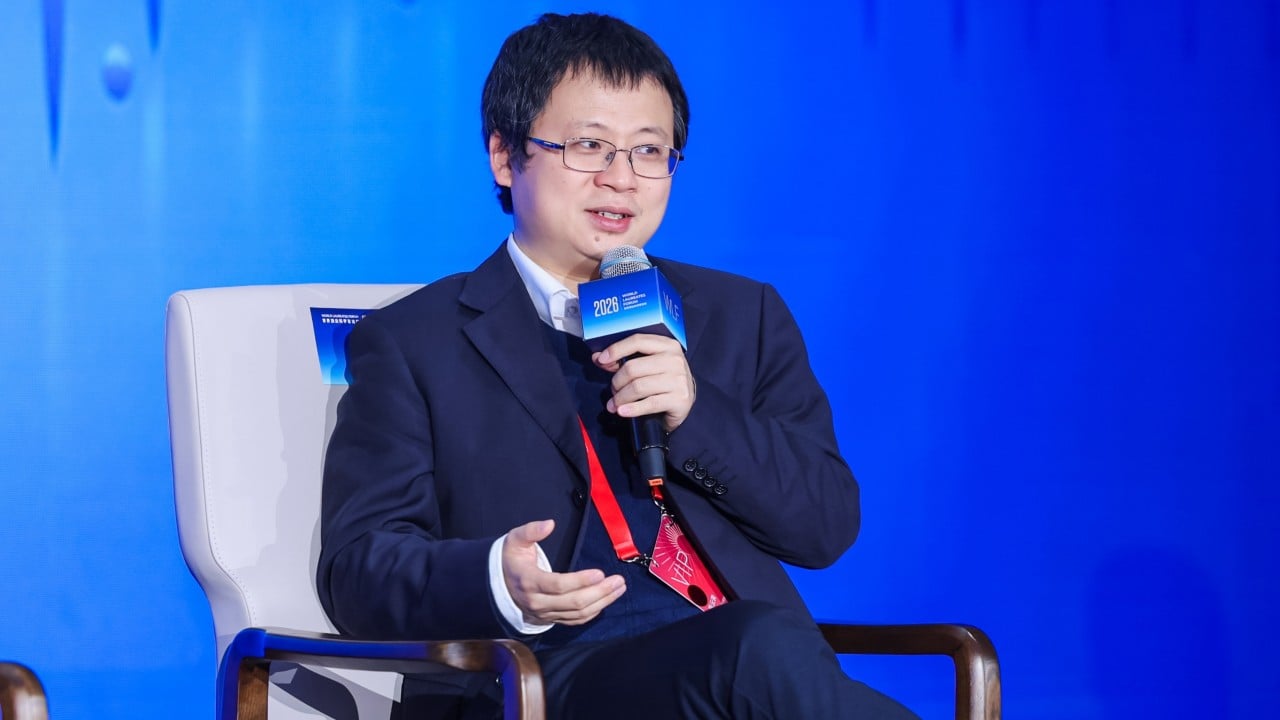
Chinese chip designer Chen Yunji has called for internationally agreed ethical standards for the leading AI models developed by China and the United States. This recommendation was made during a panel discussion at the World Laureates Forum in Shanghai, in response to a surge in cyberattacks targeting critical infrastructure and government servers.
Chen, a professor at the Chinese Academy of Sciences and co-founder of Cambricon Technologies, suggested the development of a "universal ethics checker" for AI, which would ensure all major language models comply with ethical guidelines.
Chen warned that AI systems could soon reach a stage where they could autonomously improve themselves – a process known as recursive self-improvement (RSI). He expressed uncertainty about the ability to prevent such systems from causing harm, due to the opaque nature of AI decision-making. However, he expressed faith that RSI could be made safe if AI were employed throughout the development process to monitor and safeguard more powerful systems.
The urgent need for AI safety cooperation between China and the US was highlighted by Martin Hellman, a Turing Award-winning cryptologist who also spoke at the forum. He emphasized that the current economic and military motivation to develop AI rapidly could lead to "global death", urging China and the US to work together to govern AI responsibly.
Hellman argued that it would be counterproductive for either nation to dictate AI governance policies to the other, advocating instead for collaborative efforts within the two countries.
China and the US are heavily investing in AI research and development, recognizing its geopolitical, military, and economic implications. The two countries signed a bilateral AI safety dialogue and incident-notification mechanism agreement in September, although specific details remain undisclosed. As the World Laureates Forum concluded, high-profile speakers urged for greater public confidence in China's AI trajectory despite online claims suggesting the country is not effectively utilizing AI for productive purposes.
Written by urgent.news from South China Morning Post's reporting — not their text. Machine-written — may contain errors; check the original before relying on it.