G20 Atlanta Meeting Ends Without Consensus As Russia-Ukraine War, Iran Conflict & Global Security Divisions Overshadow Talks
Atlanta: Top diplomats from the Group of 20 largest world economies will wrap up two days of talks in Atlanta on Saturday without reaching consensus on several critical global security issues after divisions, notably over Russia's war with Ukraine, overshadowed the start of the meeting. Also Watch: As a result, the group will not release a joint communique but will rather rely on a chairman's…
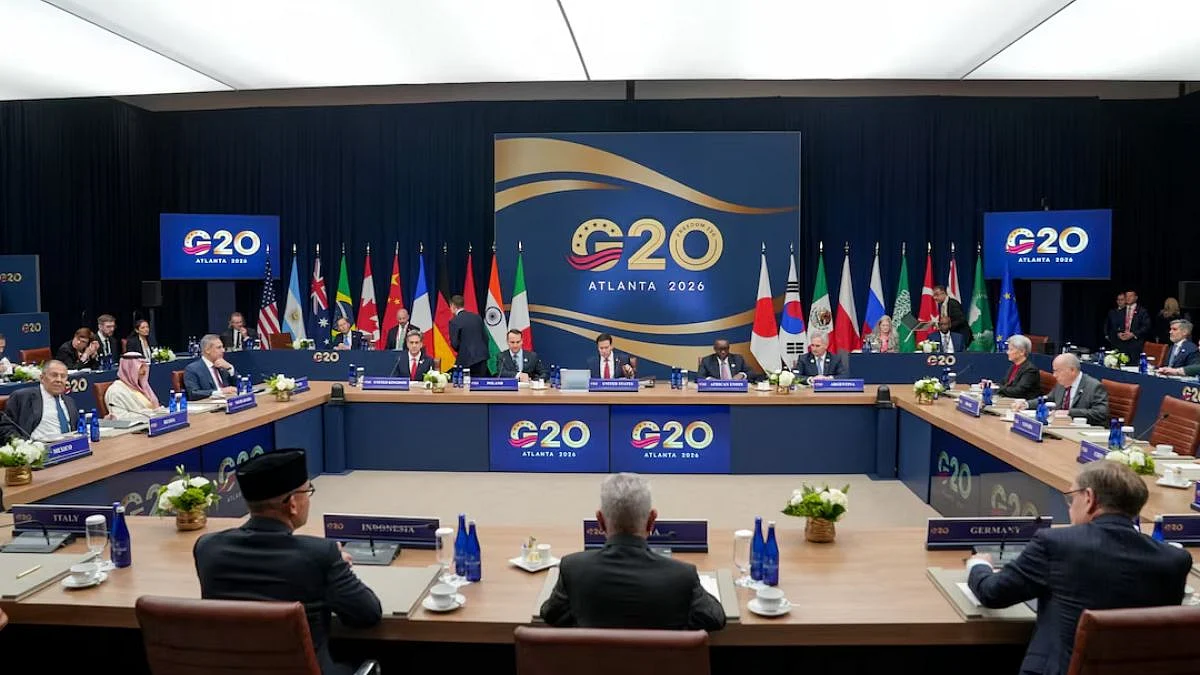
Diplomats from the Group of 20 largest world economies concluded two-day talks in Atlanta on Saturday without reaching an agreement on several key global security issues, with divisions particularly stemming from Russia's war with Ukraine. Consequently, the group will not issue a joint statement but will rely on a chairman's summary, which Secretary of State Marco Rubio will release at the end of the meeting, according to diplomatic sources.
Secretary of State Rubio had initiated the talks with a call for unity, but canceled the customary group photo of foreign ministers following objections from European diplomats over the inclusion of Russian Foreign Minister Sergey Lavrov and threats of a boycott. Polish Foreign Minister Radoslaw Sikorski, representing Poland for the first time in a G20 meeting, acknowledged the difficulty in reaching consensus due to ongoing conflicts and the presence of participants at the table, emphasizing the challenge in agreeing on a common stance.
Other attendees, speaking anonymously, agreed to attempt resolving their differences for the upcoming G20 leaders summit hosted by President Trump in Florida. The discussions centered on a range of issues, including the Russia-Ukraine conflict, the US-Israeli war against Iran, US tariffs, and China's actions in the South China Sea, all contributing to global energy disruptions, inflated costs, and trade uncertainties.
The meeting opened cordially, yet Russia's stance on Ukraine remained firm, alongside its opposition to Poland's G20 membership. The United States' decision to invite Russia amid its aggression against Ukraine has raised European concerns, especially after Trump reduced sanctions on Moscow and increased logistical and intelligence assistance.
Russia has vehemently rejected a proposed $2.1 billion sale of Patriot air defense interceptors to Ukraine. Lavrov stated that Russia would not permit Ukraine to pose a military threat to its security interests. The Iran situation looms large over the G20 event, with discussions encompassing freedom of navigation in key maritime routes and potential US military action against Iran following the midterm elections, which could provoke retaliation.
Written by urgent.news from Free Press Journal's reporting — not their text. Machine-written — may contain errors; check the original before relying on it.
This story
This is one outlet's version. Read the fullest account.
- G20 foreign ministers to end Atlanta meeting without consensus on key issues winnipegfreepress.com
- G20 foreign ministers to end Atlanta meeting without consensus on key issues koreatimes.co.kr
- Saudi foreign minister meets EU high representative at G20 in Atlanta english.ajel.sa