China sees the yuan vs. dollar rivalry like Pepsi vs. Coke, expert says — ‘never the market leader, but serviceable in a pinch’
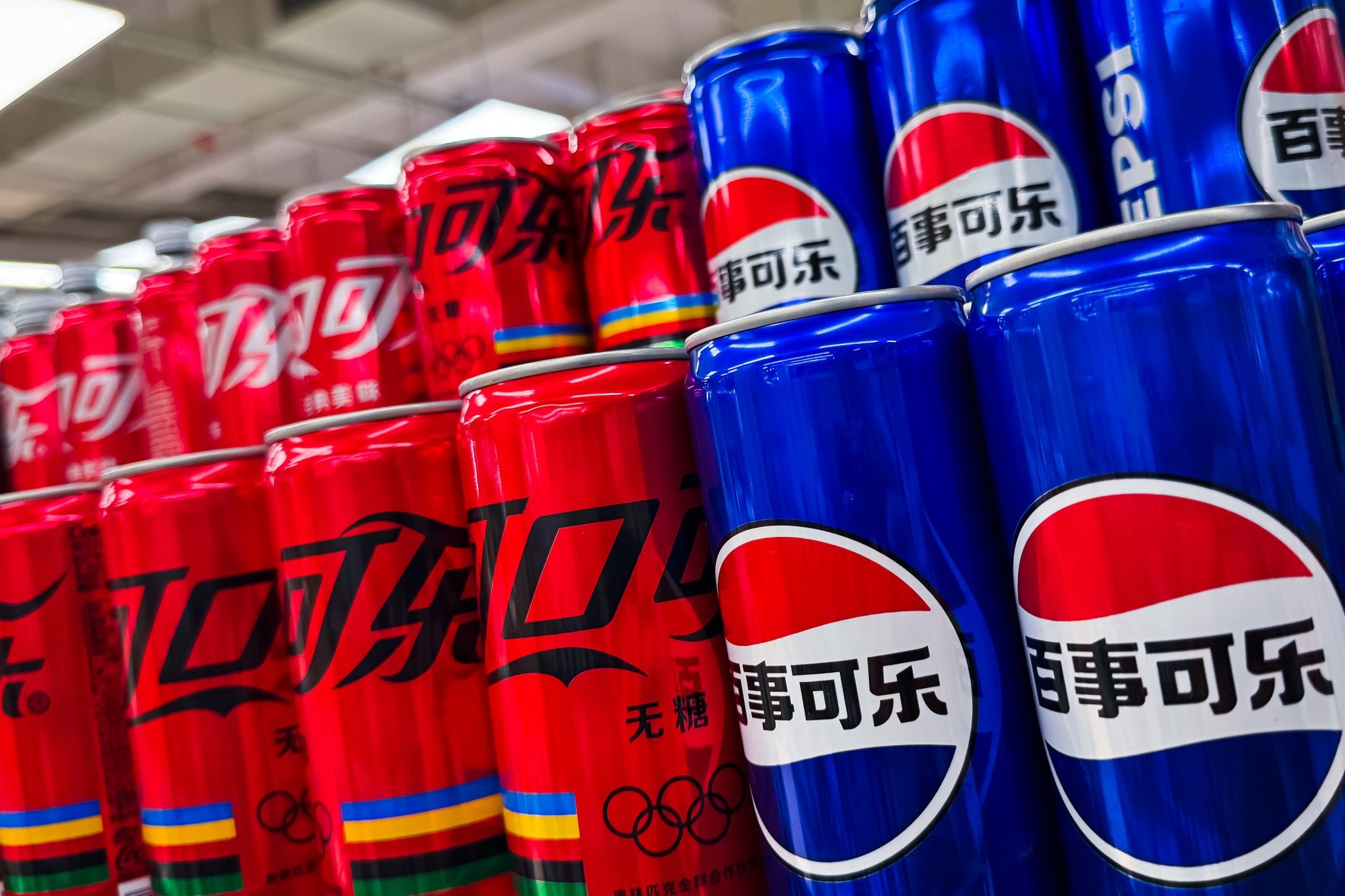
China's top scholar argues that Beijing does not aim to replace the dollar as the world's dominant currency, but rather sees the yuan as a secondary currency similar to Pepsi to the dollar's Coca-Cola. To achieve this, China seeks to establish the yuan as a serviceable alternative, not as a market leader, which would prevent unilateral financial sanctions by the U.S. China facilitates the use of the renminbi among firms in over a hundred countries and across various commodity markets, with its Cross-Border Interbank Payment System having 1,829 participants in 191 countries.
However, a truly global currency requires more than just payment processing, including pricing, financing, risk transfer, and reinvestment. China is promoting "China prices" on domestic commodity exchanges and has made strides in the financing stage, with its banks lending more than twice as much in yuan as it did in 2023. Additionally, China has reached currency swap agreements with 32 foreign central banks and monetary authorities.
The yuan's presence in risk transfer markets is also growing, with state firms settling cargo insurance in yuan. However, the reinvestment stage remains a weak link. China has expanded access to domestic stocks and bonds for overseas investors, but Beijing's capital controls remain unpredictable. As of March, foreign investors held only 1.6% of the Chinese bond market, compared to 27% in the U.S. bond market.
China could potentially become a key player in the global economy by dominating essential goods such as critical minerals, clean energy equipment, and electrical infrastructure used in green energy technology. This could create the foundation for a "green yuan" that might eventually replace the petrodollar.
Written by urgent.news from Fortune's reporting — not their text. Machine-written — may contain errors; check the original before relying on it.