AI airline pricing sparks startup tools for traveller savings
US airlines are turning to artificial intelligence to help maximise revenue from airfares. Now startups are putting AI to work on the other side of the transaction, helping passengers automatically cl...
Artificial intelligence is being utilized by airlines to maximize ticket revenues, prompting the emergence of startups that employ AI to help travelers recover lost savings when airfares drop. Companies like JetBack, Junova, and Refare monitor fares after customers have booked and seek refunds or flight credits when prices decrease.
These services argue that airlines have long developed complex pricing systems, while travelers have relied on manually checking prices. As airlines increasingly rely on AI for pricing, lawmakers question whether this technology could harm consumers through personalized pricing based on individual data and behavior.
The start of the pandemic led many US airlines to remove change fees from most non-refundable tickets, as travelers grew cautious about booking travel due to testing, quarantine, and border restrictions. This change allowed passengers to claim the difference between the original fare and a future lower fare, without additional charges, although airline policies vary.
Bryan Dubno, founder of JetBack, states that his company has recovered $2.4 million in credits and refunds since launching in early 2025. Junova notes that out of 10,000 flights monitored from September 2025 to July 2026, around 22% experienced at least one fare drop, with 40% of those seeing prices decline multiple times. This demonstrates how quickly fares can change after a passenger has booked.
Airfares fluctuate like stock market prices, according to AJ Brustein, co-founder of Junova. They often increase and decrease, with the latter being more common. Junova and Refare only charge customers when they recover money, taking 20% and 25% of the savings, respectively. JetBack charges a flat fee of $100 per year. However, the success of these services relies on airlines continuing to accommodate fare drops without imposing significant penalties.
The Covid-19 crisis has significantly impacted US airlines' revenue streams, which collected $2.84 billion in reservation cancellation or change fees in 2019. Before the pandemic, change fees on non-refundable tickets made recovering a small fare decrease impractical. The elimination of these fees opened an opportunity for startups that continuously monitor prices and pursue credits on customers' behalf.
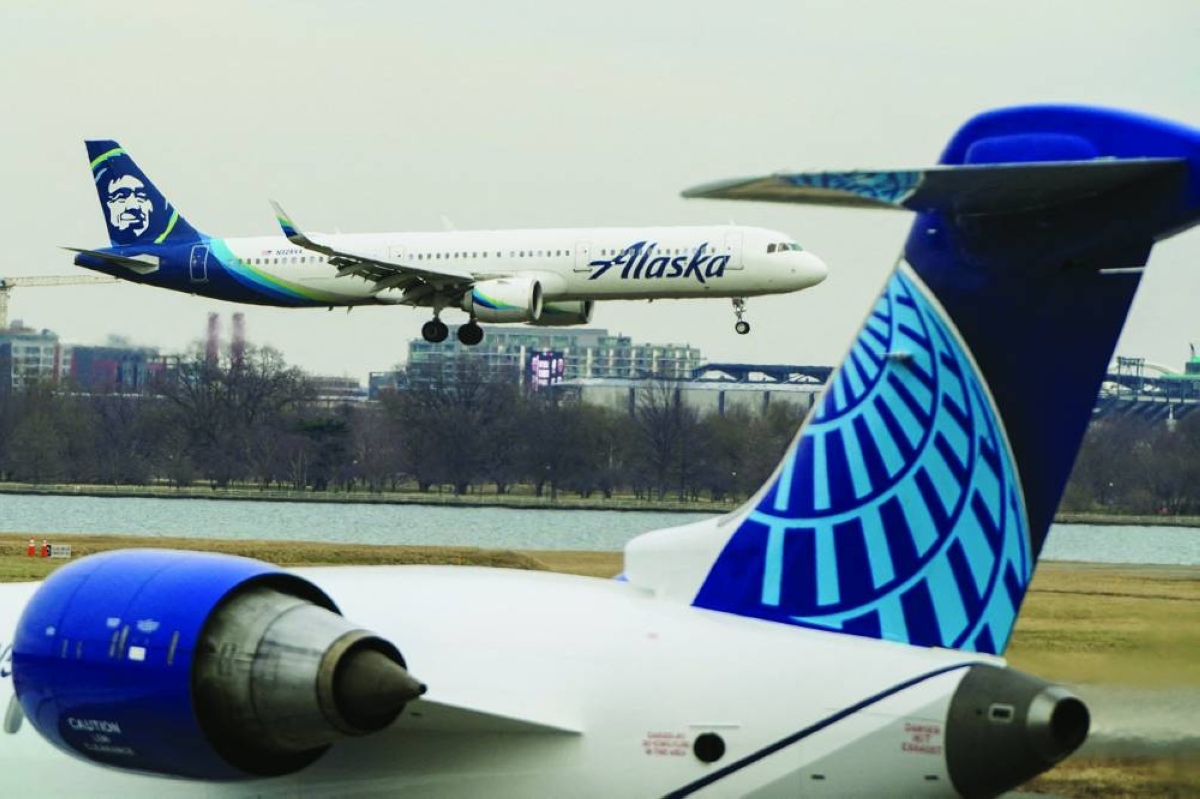
However, this could change, as seen when Alaska Airlines stopped honoring fare drops through customer service and instead directed travelers to cancel and rebook under applicable fare rules. Alaska charges no cancellation fees for main and first-class fares but offers a 50% credit on basic economy tickets canceled at least 14 days prior to departure.
Written by urgent.news from Gulf Times Business's reporting — not their text. Machine-written — may contain errors; check the original before relying on it.