5 nature curiosities that show how strange the world can be
From sleeping spiders to reefs that respond to sound, recent discoveries reveal some wonderfully unexpected sides of nature.
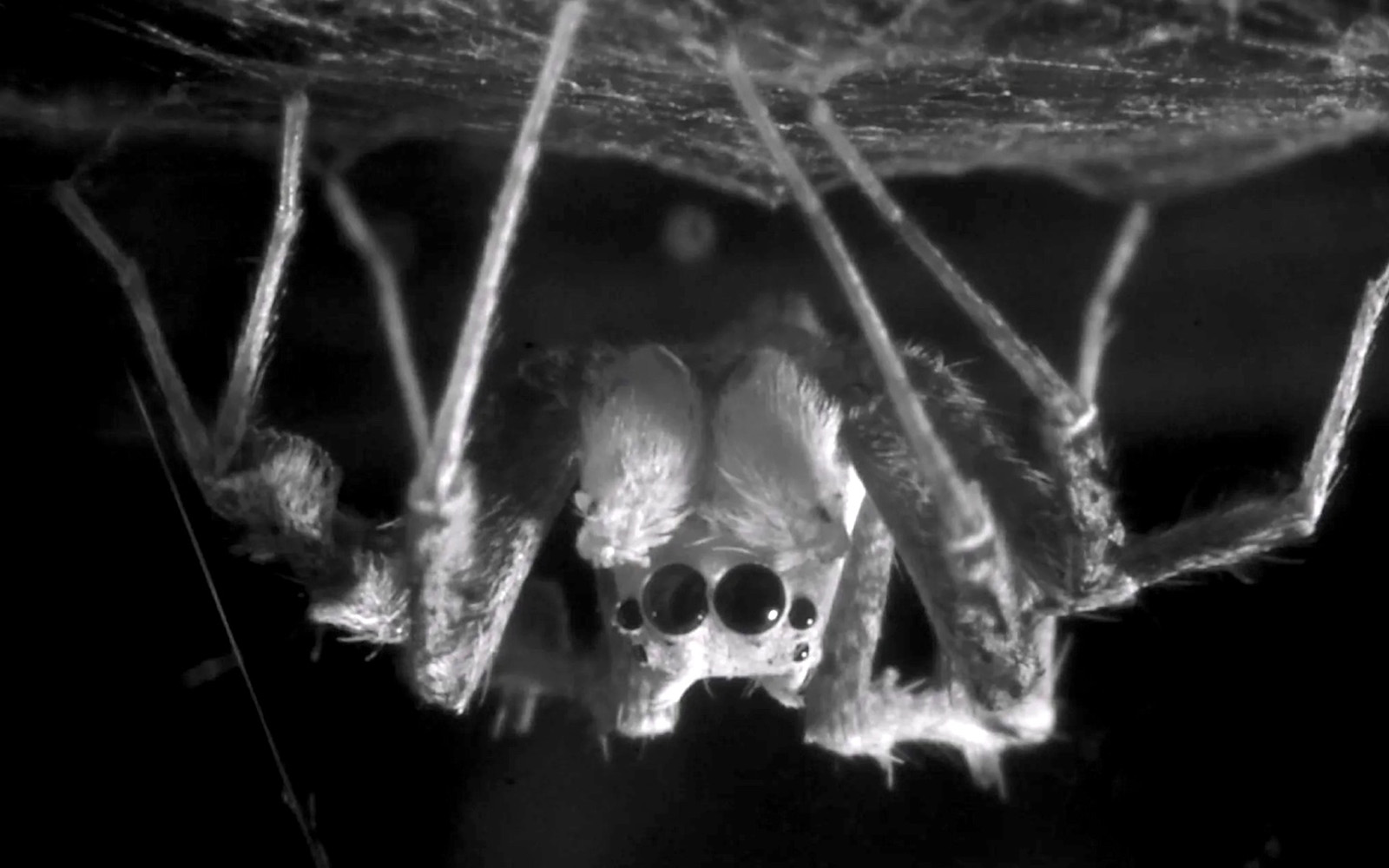
1. Sleep stages in spiders
During a study in Germany, scientists observed the behavior of a jumping spider called Portia fimbriata. They discovered periods of regulated sleep, as well as a REM-like state featuring rapid eye movements and muscle twitches. These behaviors are similar to the REM sleep experienced by humans and other vertebrates. While researchers were not able to measure brain activity, their findings suggest that spiders may undergo a form of sleep, potentially more complex than previously thought.
2. Googly eyes deter seabirds
In an attempt to protect seabirds from fishing nets, researchers in Britain tested the effectiveness of giant "googly eyes" mounted on fishing gear. The devices, which resembled spinning eyes, were attached to floating buoys near fishing nets. The trial revealed that net sections fitted with the eye-like deterrents had 59% lower chances of catching guillemots and razorbills compared to nets without the devices.
Additionally, predator-shaped kites reduced the odds of catching birds by 71%. Despite certain limitations, such as wind or potential desensitization by birds, the results show promise in using visually striking deterrents to reduce seabird bycatch.
3. Discovery of a new waterlily species
A social media post on Instagram sparked the discovery of a rare waterlily species in Colombia. The unusual plant in a photograph taken in the Inírida River region resembled the well-known Victoria amazonica, except for one significant difference - the species was not known to grow in the region. Botanists, led by Kew waterlily specialist Carlos Magdalena, embarked on a multi-year journey involving satellite searches, planning, and fieldwork.
They eventually found and identified the new species, Victoria colombiana. With only 30 to 50 individuals remaining in the wild, the discovery serves as both a conservation alarm and a botanical feat.
4. Bioluminescence in deep-sea sea spiders
In a remote area off eastern Australia, scientists found that some deep-sea sea spiders were capable of producing bioluminescence. Using specialized equipment, researchers observed the light show created by two pycnogonid species. One species, Colossendeis tasmanica, produced a bright deep-blue glow from its legs when stimulated in a lab experiment.
Although sea spiders are not true spiders, they are marine arthropods with exceptionally long legs and small bodies. The researchers suspect that specialized cells associated with the digestive system may be responsible for the glow. However, the purpose of the bioluminescence remains a mystery, as it could potentially serve various functions such as defense, attracting prey, or reproduction in the vast, unexplored depths of the ocean.
5. Soundscapes help coral larvae settle on artificial reefs
In Hawaii, researchers investigated whether underwater speakers broadcasting sounds from healthy coral reefs could encourage coral larvae to settle on artificial reef structures. They played recordings of healthy reefs through underwater speakers and discovered that structures closer to the speakers experienced higher settlement rates.
Furthermore, sites playing healthy reef sounds attracted significantly more young fish than control sites. While the study emphasized that sound is just one component in restoration techniques, it demonstrates the potential of underwater speakers as a tool for coral reef conservation and recovery efforts.
Written by urgent.news from Free Malaysia Today's reporting — not their text. Machine-written — may contain errors; check the original before relying on it.
This story
This is one outlet's version. Read the fullest account.
- 5 nature curiosities that show how strange the world can be freemalaysiatoday.com