5 nature curiosities that show how strange the world can be
From sleeping spiders to reefs that respond to sound, recent discoveries reveal some wonderfully unexpected sides of nature.
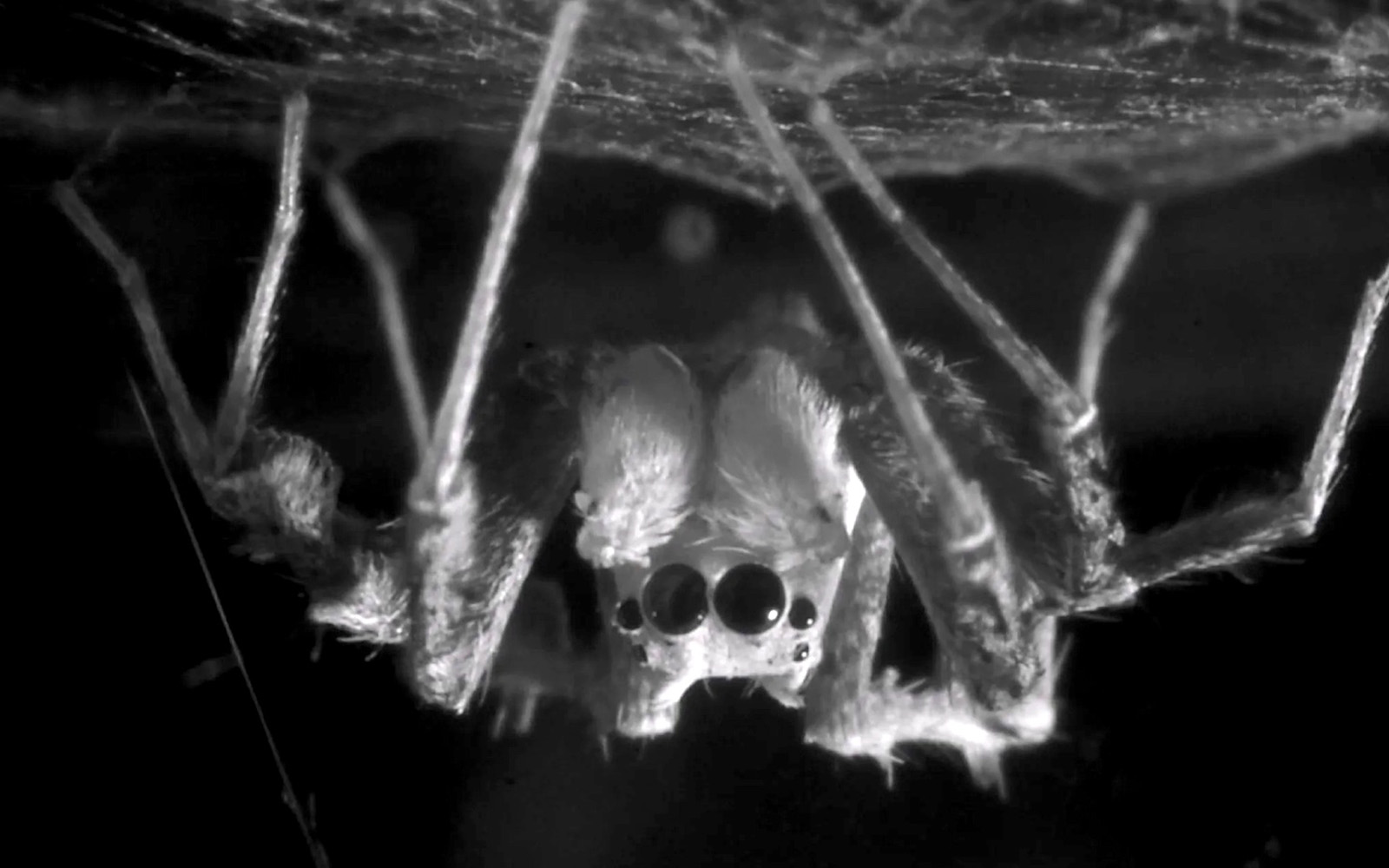
1. Spiders may experience REM-like sleep Spiders have long been mysterious creatures, but recent research may reveal they share a similarity with humans. Scientists at the University of Bonn studied the Australian jumping spider Portia fimbriata and discovered this species goes through two distinct sleep stages. Both regular sleep and a rapid eye movement (REM)-like state were observed, marked by muscle twitches and rapid eye movements.
Though it remains unclear if the spiders actually dream, this study provides the first comprehensive experimental evidence of true sleep behavior in a spider. This finding suggests that complex sleep patterns might be more widespread among animals than previously thought.
2. Giant floating eyes aid seabird conservation A conservation effort off the coast of Cornwall, Britain, employed giant floating devices with spinning "eyes" to deter diving seabirds from dangerous fishing nets. Known as looming-eye buoys, these devices were attached to fishing gear and had 59% lower odds of catching guillemots and razorbills.
Additionally, predator-shaped kites reduced bycatch odds by 71%. Ten local fishers participated in the trial, monitoring over 1,000 net deployments via cameras. While strong or weak winds affected the kites, the results provide strong evidence that visual deterrents can substantially reduce seabird bycatch. However, the effectiveness of these giant googly eyes may diminish over time as birds become accustomed to them.
3. A rare Colombian waterlily discovered through Instagram A casual Instagram post led to the discovery of a new waterlily species in Colombia. Kew waterlily specialist Carlos Magdalena noticed an unusual plant in an Instagram photograph taken in the Inírida River region. The plant resembled the well-known Victoria amazonica, but it was not known to grow in the region.
After years of satellite searches, planning, and fieldwork involving Colombian botanists and Indigenous communities, the team found flowering plants during a last-minute overnight boat trip through flooded rainforest. They formally described the species as Victoria colombiana, which features enormous leaves that can span around 2m.
Despite its striking appearance, the plant appears to be extremely rare, with only 30 to 50 individuals surviving in the wild. This discovery highlights the importance of exploring lesser-known areas and utilizing social media as a tool for scientific research.
Written by urgent.news from Free Malaysia Today's reporting — not their text. Machine-written — may contain errors; check the original before relying on it.
Also reported by 1 other outlet
- 5 nature curiosities that show how strange the world can be freemalaysiatoday.com