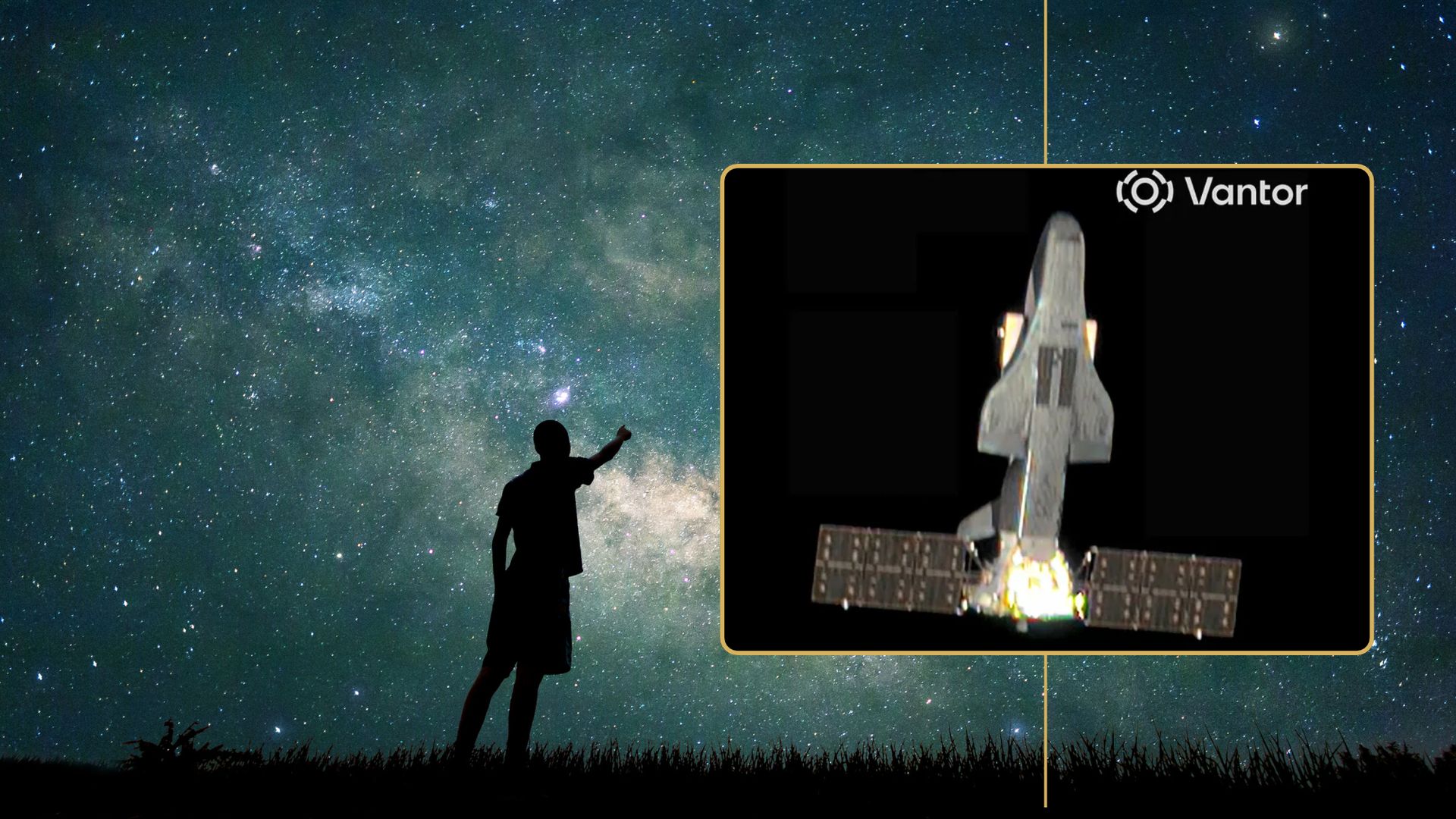
Watch Virgin Galactic's new 'Delta-class' space plane take to the skies for the 1st time (video)
Virgin Galactic's first "Delta-class" space plane, the newly named Apeiron, lifted off for the first time on Thursday (Oct. 29) —beneath the wings of its carrier aircraft.

Virgin Galactic's inaugural Delta-class space plane, Apeiron, embarked on its maiden flight on Thursday, October 28th. The suborbital vehicle, named after the Greek term for "Boundless," ascended from Virgin's manufacturing facility in Mesa, Arizona, to its launch site at Spaceport America in New Mexico, hitching a ride beneath its carrier plane, VMS Eve. CEO Michael Colglazier expressed delight at the moment's significance, stating, "To our team and our astronaut community: your Spaceship has arrived."
Apeiron is set to undergo rigorous testing at Spaceport America before commencing commercial operations in the spring of 2027. During passenger flights, Eve will propel Apeiron to an altitude of approximately 45,000 feet, after which the space plane will fire its onboard rocket motor for a suborbital journey. Apeiron's six passengers and two pilots will then experience weightlessness and enjoy breathtaking views of Earth's curvature before landing at Spaceport America.
Virgin Galactic's Delta-class fleet is engineered for a heavier workload, with the capability to fly twice weekly and support over 500 missions throughout its lifetime. The second Delta-class ship is currently under construction and expected to join service in mid-2027. Virgin Galactic anticipates a high demand for space tourism, with nearly 700 customers currently on Virgin's waiting list. Ticket prices for future flights are expected to increase from $750,000 to $850,000 per person.
Written by urgent.news from Space.com's reporting — not their text. Machine-written — may contain errors; check the original before relying on it.