Vietnam accelerates 5G utilisation and prepares for 6G
The Ministry of Science and Technology has set a requirement to integrate 5G into production and business operations to generate tangible value while simultaneously preparing for 6G according to a roadmap
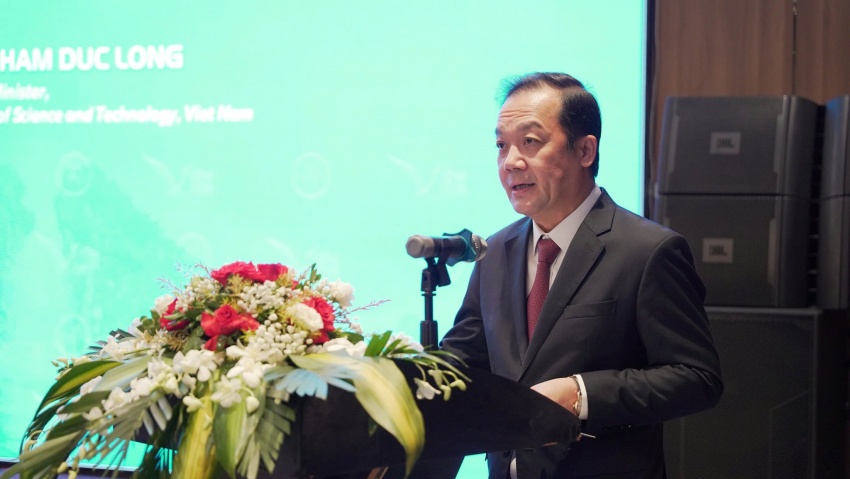
On October 29, the Ministry of Science and Technology hosted the 7th ASEAN Conference on 5G in Quang Ninh province as part of Vietnam International Digital Week 2026. Attendees included representatives from regulatory bodies, international organizations, technology associations, and telecommunications companies from the ASEAN region and partner nations.
They discussed commercialization, application development, and preparations for the next-generation mobile networks. Deputy Minister of Science and Technology Pham Duc Long emphasized that, after the initial investment and network deployment, the main challenge for 5G is converting connectivity into economic and social value. He stressed that network coverage and quality are necessary but not enough; the technology must improve productivity, service quality, and create new production and business models.
The focus should shift to applications in industry, logistics, transportation, agriculture, and healthcare, requiring collaboration among telecommunications firms, technology companies, and various economic sectors. The deputy minister also hinted at the need to prepare for 5G-Advanced and 6G networks, proposing research, human resource development, trials, spectrum allocation, and participation in international standards creation.
Vietnam is currently transitioning from the 5G trial phase to large-scale deployment, planning to generate added value from 5G applications in industrial production, smart cities, transportation, agriculture, healthcare, and education between 2027 and 2030. Thailand has achieved 98% 5G coverage across its population by June 2026, while Cambodia aims to extend 5G coverage to 70-80% of its population by 2030.
Japan's Ministry of Internal Affairs and Communications shared its strategic direction for fibre optics expansion, 5G, optical technologies, and data centre distribution nationwide. They also proposed a non-terrestrial network, including satellite communications, to support smart agriculture and disaster response. The GSMA recommended that ASEAN tailor policies to each market, make spectrum roadmaps public, optimize licensing costs, simplify base station deployment procedures, and increase infrastructure sharing.
Additionally, the GSMA highlighted the importance of building digital trust, noting that 96% of users surveyed across six ASEAN markets expressed concerns about online fraud and suggested strengthening coordination among governments, mobile operators, and banks to leverage mobile data-based verification tools for consumer protection.
Written by urgent.news from Vietnam Investment Review's reporting — not their text. Machine-written — may contain errors; check the original before relying on it.