The science of why we’re obsessed with vampires
What vampire stories reveal about changing fears, identities and human nature
We haven't written up this one. Scientific American has the full story — the link below goes straight to it.
What's breaking now, across thousands of outlets.
What vampire stories reveal about changing fears, identities and human nature
We haven't written up this one. Scientific American has the full story — the link below goes straight to it.
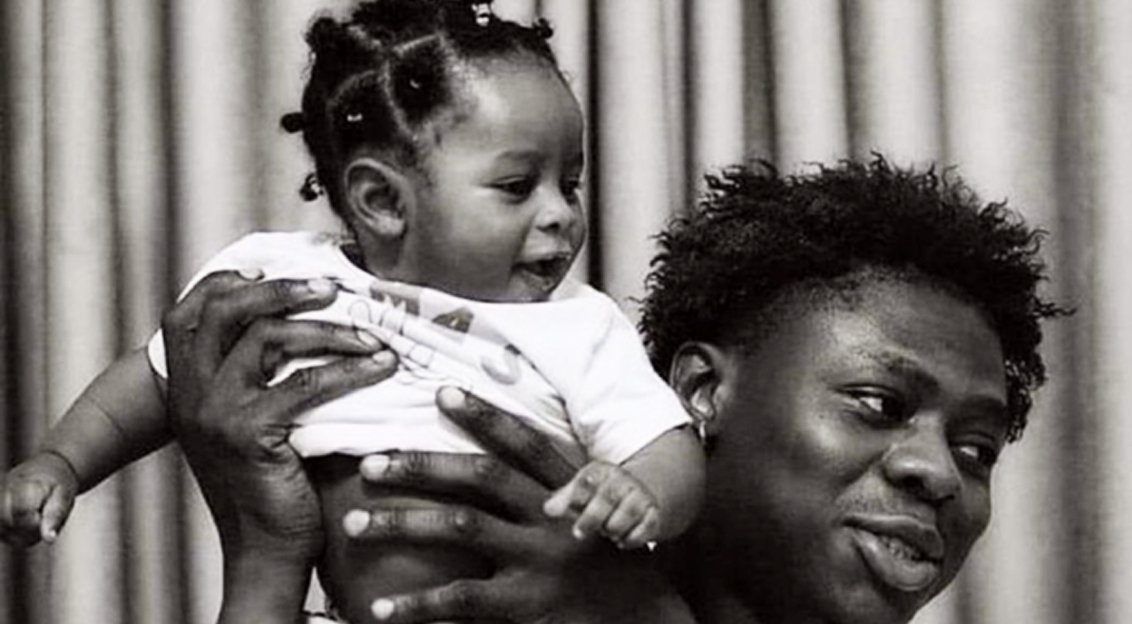
The family of late Nigerian singer, Ilerioluwa Aloba, popularly known as Mohbad, has demanded the disclosure of the identity of a United States laboratory expected to conduct a DNA test to establish…
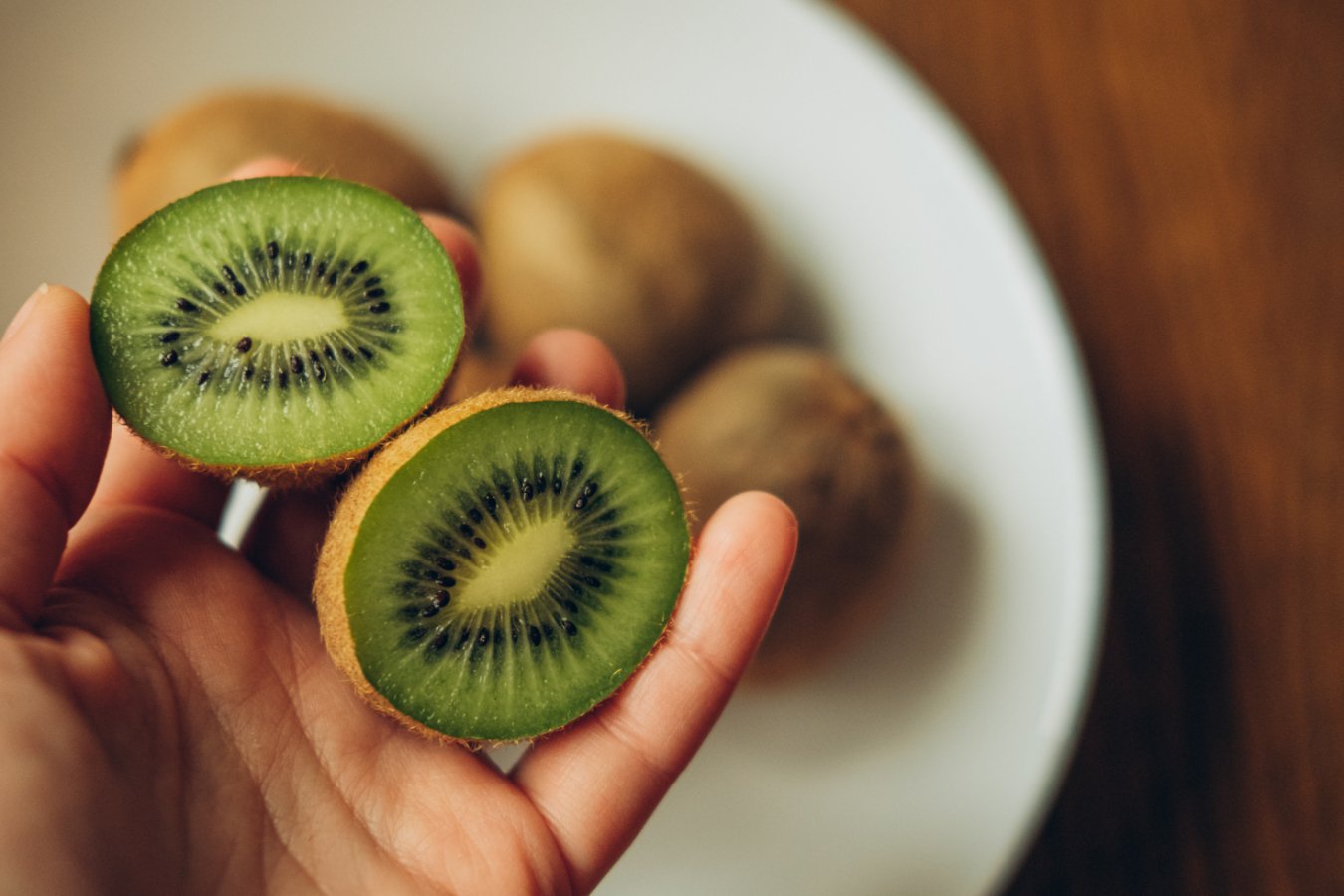
Parts of plants that are usually wasted, from kiwi skin to squash seeds, contain more fibre than the parts of the plant we do eat
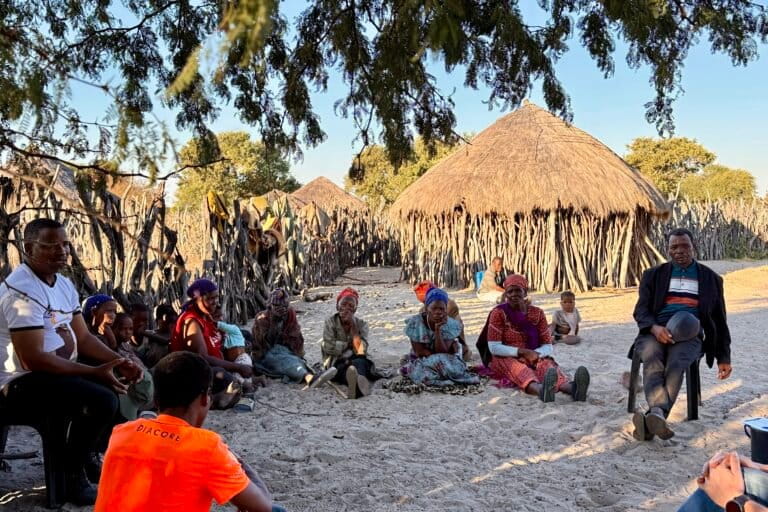
Nearly two decades after winning a landmark court case against their forced removal from ancestral lands in Botswana’s Central Kalahari Game Reserve, Indigenous San communities may finally be closer…
Our cells are a hotbed of activity, with reactions churning away to keep us alive. But the cytoplasm, where many metabolic reactions take place, is not uniform. Instead, proteins and other molecules cluster together into membraneless compartments, creating distinct, crowded microenvironments for reactions.
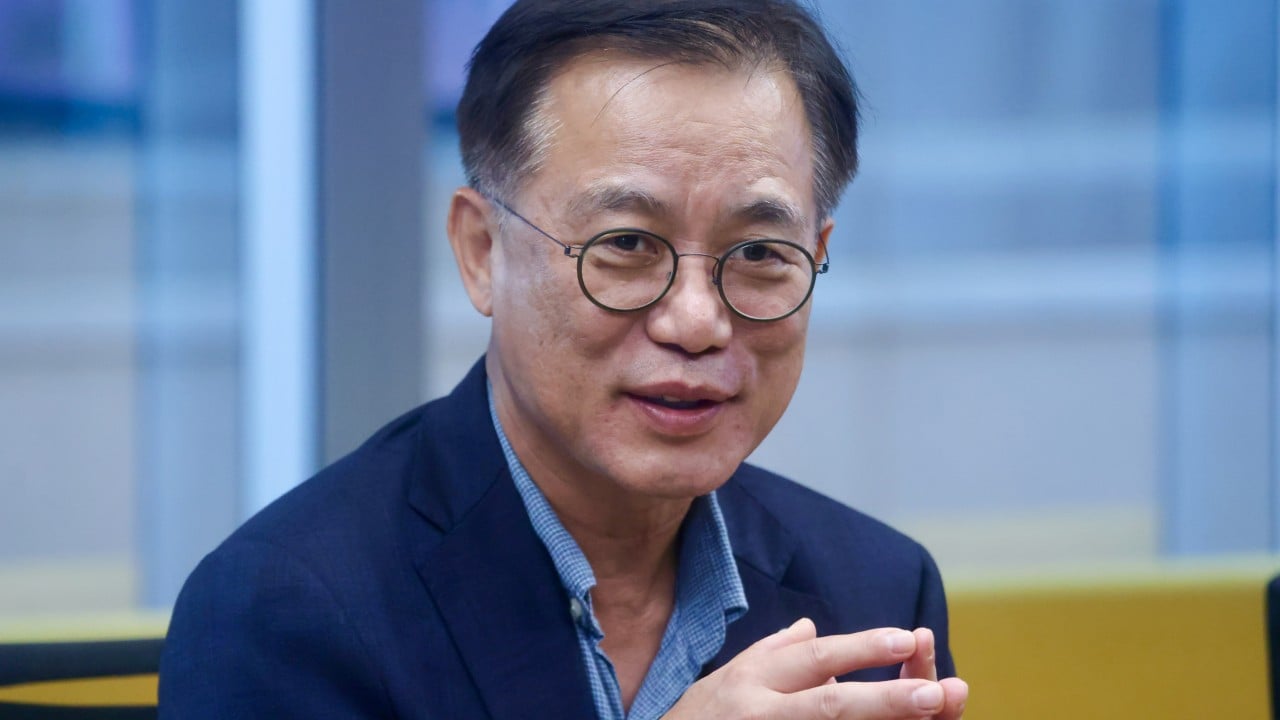
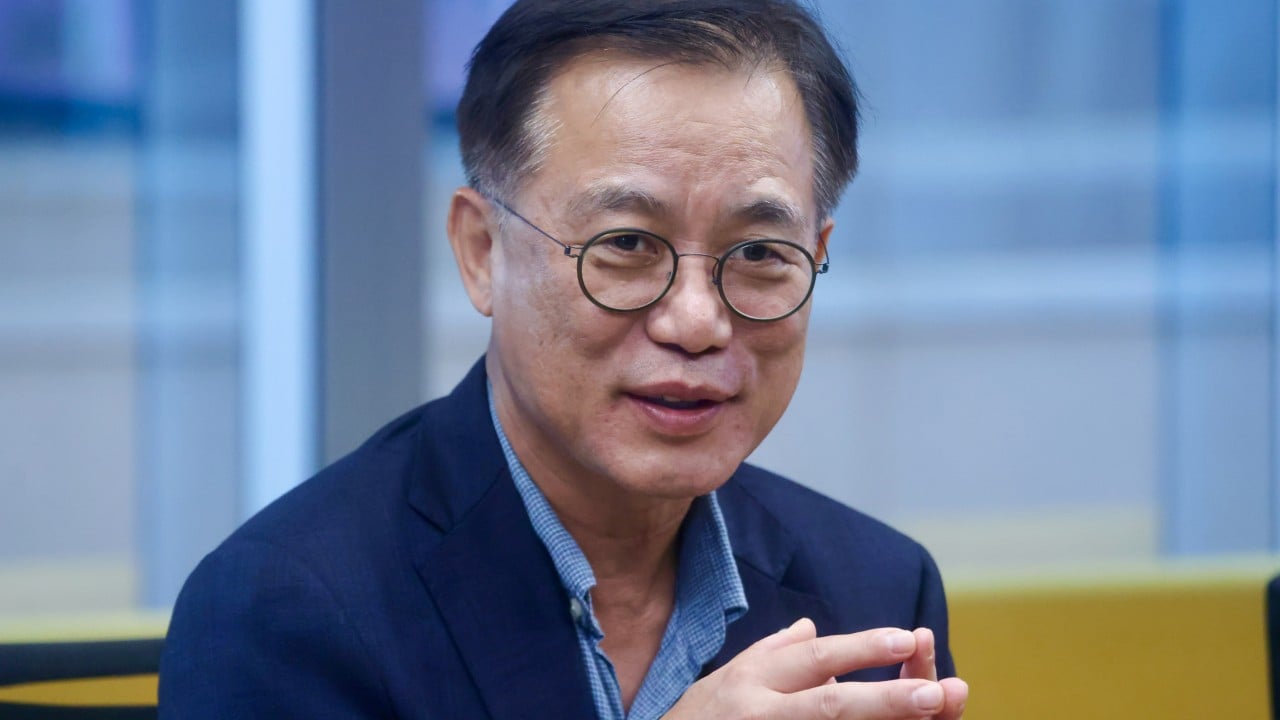
As tightening US visa restrictions and geopolitics lock out Asian researchers from Western institutions, South Korea is emerging as a new academic sanctuary for top talent. According to Yoo Ji-beom, president of Sungkyunkwan University (SKKU) in Seoul, that reflects a broader trend that has seen the West giving way to Asia after decades…
As tightening US visa restrictions and geopolitics lock out Asian researchers from Western institutions, South Korea is emerging as a new academic sanctuary for top talent. According to Yoo Ji-beom, president of Sungkyunkwan University (SKKU) in Seoul, that reflects a broader trend that has seen the West giving way to Asia after decades…