Asian scientists are looking to South Korea as it becomes harder to stay in the US
As tightening US visa restrictions and geopolitics lock out Asian researchers from Western institutions, South Korea is emerging as a new academic sanctuary for top talent. According to Yoo Ji-beom, president of Sungkyunkwan University (SKKU) in Seoul, that reflects a broader trend that has seen the West giving way to Asia after decades of dominance – particularly in the field of applied…
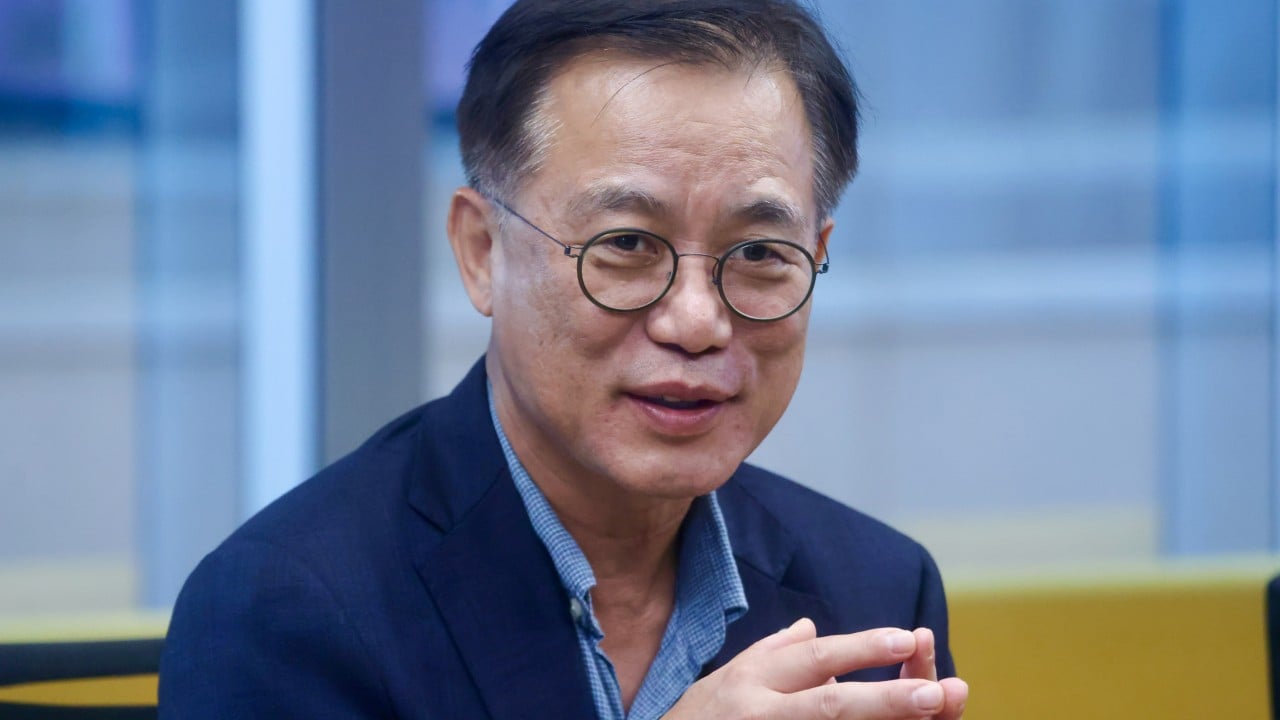
As US visa restrictions tighten and geopolitical tensions grow, Asian scientists are increasingly seeking South Korea as a new academic sanctuary. Sungkyunkwan University (SKKU) president Yoo Ji-beom attributes this trend to the changing dynamics between the West and Asia, particularly in applied technology. Yoo noted that US visa hurdles and longer wait times for Chinese students have prompted many to opt for studying in their home countries instead.
SKKU has capitalized on this shift by securing government funding to recruit top international researchers through South Korea's Brain Pool Plus programme. The university aims to attract six international researchers annually, primarily from the US and leading Asian research hubs, with salaries up to 600 million won annually. South Korean ministries are working to create a conducive environment for international researchers to settle and focus on their research.
International student enrollment in South Korean higher education, including degree programmes, has surged by 21% to over 307,000, with Chinese students making up nearly a third of the total. Yoo emphasized the importance of international collaboration and open partnerships, particularly in energy materials, nanomedicine, and biomaterials, to foster mutual growth and address global challenges.
Written by urgent.news from Reuters Business via SCMP's reporting — not their text. Machine-written — may contain errors; check the original before relying on it.
This story
This is one outlet's version. Read the fullest account.


