Tesla and 113 other companies paid no current federal income tax, but they still aren’t the biggest threats to the federal deficit, think tank warns
The Institute on Taxation and Economic Policy found more than 700 profitable companies paid less than half of the 21% statutory corporate tax rate, the lowest rate in decades.
The effective corporate income tax rate has reached its lowest point in decades, prompting concerns among policy experts about its diminishing role as a revenue source for the U.S. government. In 2025, over 700 profitable corporations paid just 10.4% in federal income taxes, falling short of the 21% statutory rate. Among these, 114 companies, including Tesla, Walt Disney, United Airlines, and DoorDash, did not pay any federal income tax at all.
ITEP analyzed reported financial data, not IRS figures, to determine these rates. Corporate tax revenue has plummeted under the Trump administration, with a 15% reduction to $381 billion in fiscal year 2025, down from $427 billion in 2024. This decline aligns with a broader 25% decrease in corporate tax revenue since 2024. The Congressional Budget Office projects President Trump's One Big Beautiful Bill Act would add $3.4 trillion to the federal deficit over the next decade, largely due to a $4.5 trillion drop in revenues.
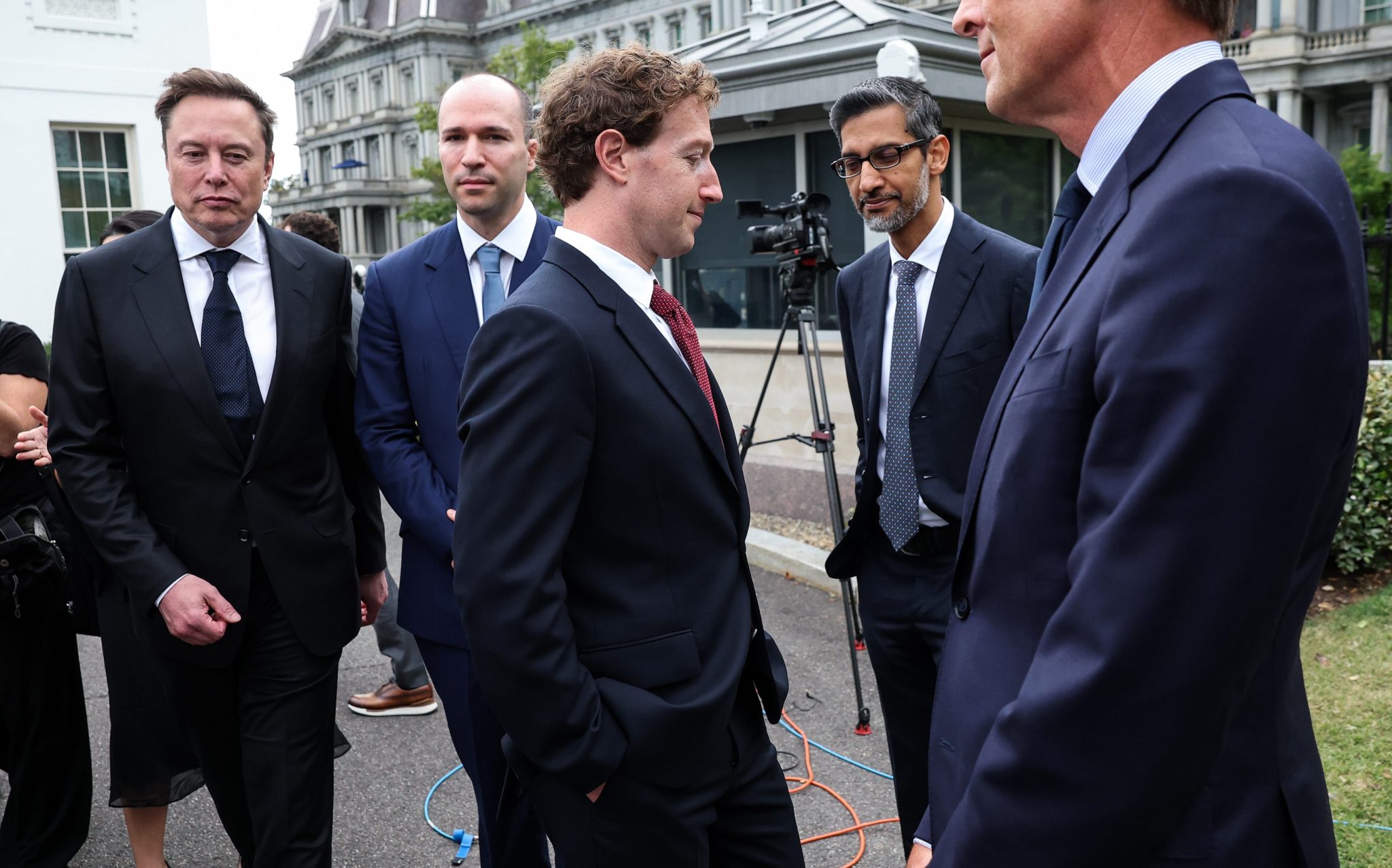
Despite the scrutiny on companies paying no federal income tax, Matt Gardner, a senior fellow at ITEP, asserts that the hundreds of corporations paying reduced rates pose a more significant threat to tax revenue. These firms saved a combined $198 billion last year through corporate tax subsidies. The top four companies, Alphabet, Microsoft, Amazon, and Meta, saved a collective $46 billion from the two permanent breaks extended by the OBBBA.
The senators have expressed concern over Meta's use of the R&D tax break, arguing its AI data center investments do not qualify for the credit. Despite the debate over corporate income taxes, some experts argue that increasing corporate taxes could reduce the deficit and boost borrowing and growth, while others warn that such measures might stifle American competitiveness on the global stage.
Written by urgent.news from Fortune's reporting — not their text. Machine-written — may contain errors; check the original before relying on it.