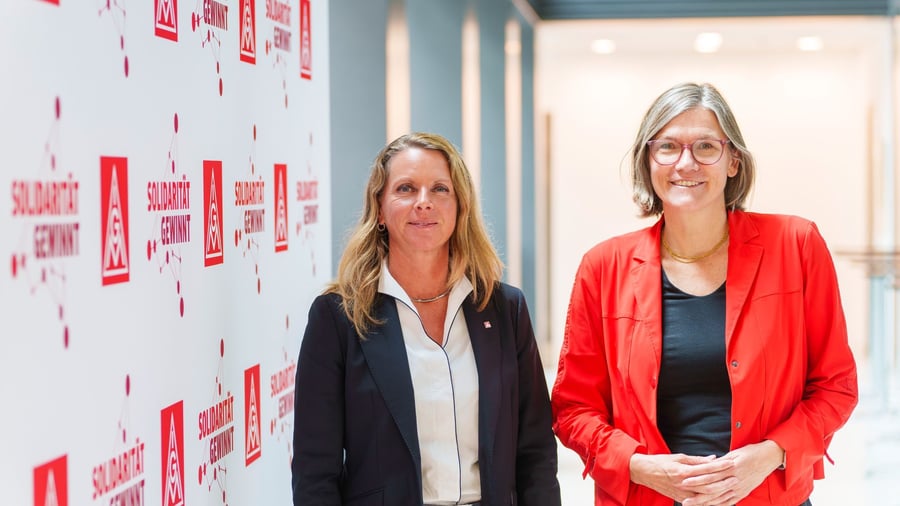
Metall- und Elektroindustrie: Was bei den Warnstreiks der Metaller gilt
Der erste Warnstreiktag in der Metall- und Elektroindustrie fällt auf einen Sonntag – doch das hält die IG Metall nicht auf. Wie die Aktionen ablaufen und was für alle Beschäftigten gilt.
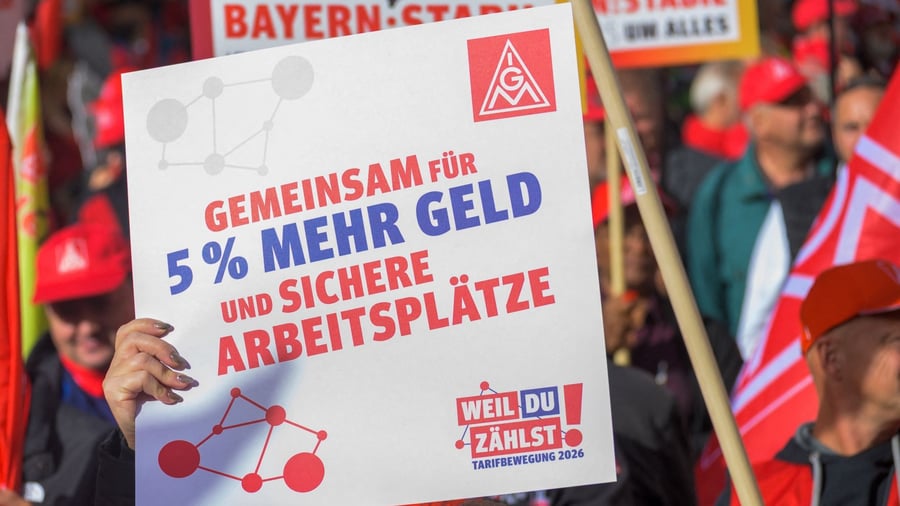
In the ongoing negotiations for the German metal and electrical industry, signs point towards warning strikes. Two rounds of negotiations have failed to reach an agreement between IG Metall and employers regarding a new collective bargaining agreement for around 3.7 million employees. The union promptly rejected an offer far below the inflation threshold and has called for warning strikes as early as Sunday.
Affected are key sectors of the German industry, including automotive, machinery, electronics, and metal processing. It is certain that warning strikes will occur, as no progress was seen in the second set of regional negotiations. The IG Metall's practice has always been to initiate warning strikes with "midnight actions" in night shifts.
The first strike day is set for a Sunday. Preliminary lockouts have already been announced, with thousands of workers expected to stop working on short notice over the coming week. Since the German reunification, there have only been three M+E tariff rounds without warning strikes, the last one being in 2020 during the threat of the COVID-19 pandemic.
The extent and duration of the warning strikes are unknown, but they will certainly affect the whole country. According to IG Metall, roughly 290,000 people participated in warning strikes in around 1,600 workplaces during the comparatively conflict-free tariff round in 2024, which took place on eleven different days. The union reported involvement from over 600,000 workers.
The organization of warning strikes is in the hands of the IG Metall districts, which are in competition with each other in the hope of reaching a negotiation compromise with the employers. In the logic of the metal and electrical tariff, a deal is negotiated in a "pilot district" and then adopted by the others. A warning strike is a temporary layoff during tariff negotiations.
The union can declare it without consulting the members through a vote. It is only necessary that there is no peace duty from the previous tariff agreement and only goals that can actually be agreed upon. The strike must also be proportionate. The temporary actions aim to put pressure on employers while strengthening the union ranks.
In the past, IG Metall has regularly managed to win new members during warning strikes. All employees, except for managerial staff, are allowed to participate in a warning strike, including non-union members. It is more complicated with contractors under a different tariff. They are not allowed to be used as strikebreakers, according to IG Metall lawyer Dirk Schumann.
Some trade union representatives are bound to not use their forces as strikebreakers, but this hardly happens in practice due to the short duration of the actions. Anyone wanting to participate in a warning strike simply goes to work. There is no need to notify their supervisor or attendance system, as the work obligation is suspended during the strike.
This means that employers cannot take any disciplinary action against the participants. They cannot be fined or fired for a legitimate strike. Participants do not receive any wages during the warning strike since their employment is suspended during the strike. Union members can, however, count on strike pay from the union for longer-lasting labor conflicts, but short warning strikes of a few hours are not included.
The director can declare so-called 24-hour warning strikes for members, who would then receive strike pay. Such a strike wage is determined by the size of the union contribution and the duration of membership. For example, if someone has been a member of IG Metall for longer than five years and earns a gross monthly income of 5,000 euros with a resulting union contribution of 50 euros, they could receive a strike wage of 700 euros per week.
Those who have been members for only three months would receive 600 euros per week. Strike participants cannot block the business, as business blockades that prevent employees or customers from entering are unlawful. This also applies to occupations of the business or individual workstations.
Written by urgent.news from Handelsblatt's reporting — not their text. Machine-written — may contain errors; check the original before relying on it.
This story
This is one outlet's version. Read the fullest account.