How global festivals celebrate life, death, and memory
As the days become shorter and nights longer, and autumn gives way to winter, the world lights up with myriad festivals that celebrate everything from the spooky and mysterious to the conquest of good over evil. While they take different forms and embrace unique rituals, at their core we find familiar beliefs of community, family, respect and tradition. Every year, Halloween kicks off this slate…
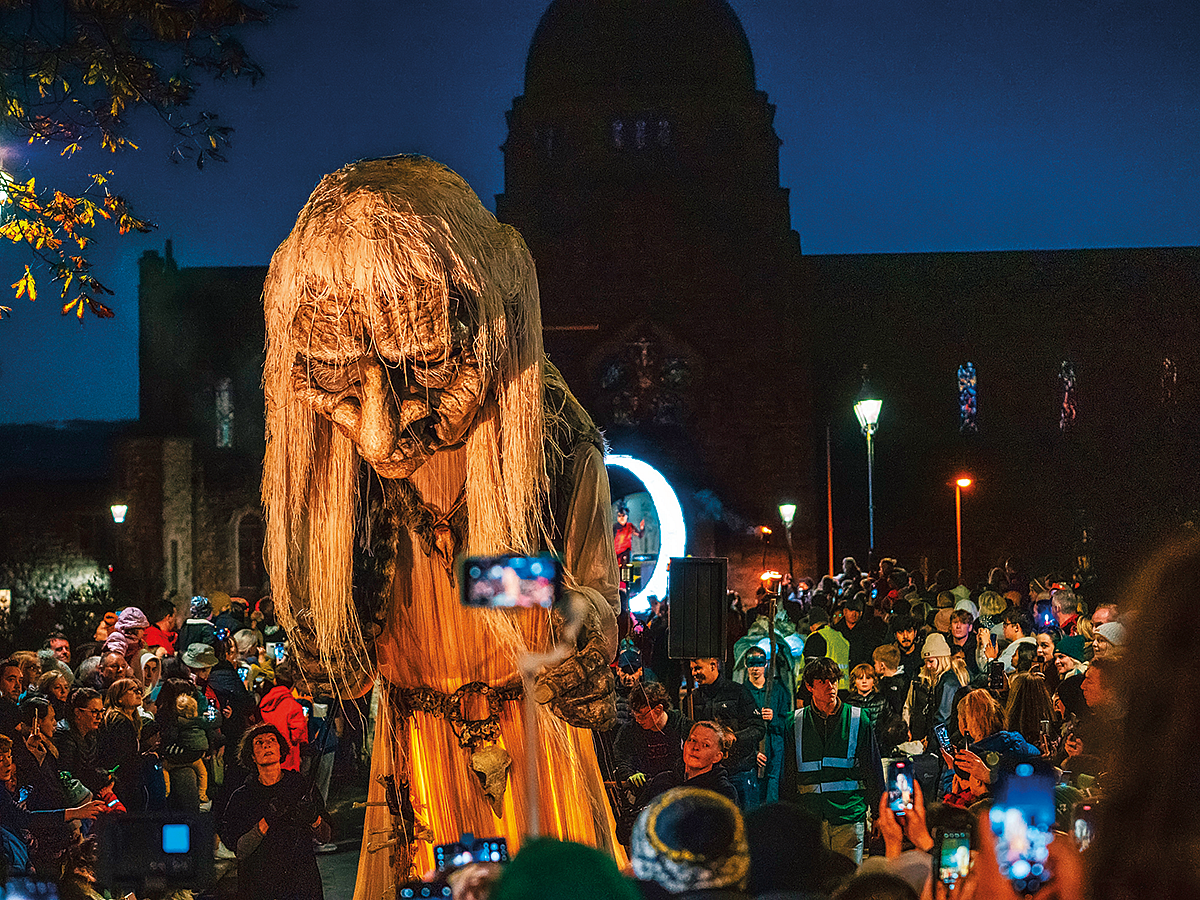
As the nights grow longer and the days grow shorter, a myriad of festivals light up the world, celebrating everything from the spooky and mysterious to the triumph of good over evil. These festivities, while differing in form and ritual, share common beliefs of community, family, respect, and tradition. Halloween marks the beginning of this season of light-bearing celebrations, a western holiday characterized by costumes, treats, pumpkins, and occasional encounters with the macabre.
Halloween, a fusion of ancient Celtic traditions and Christian rituals, originated from Samhain and All Saints' Day, also known as All Hallows' Day and All Hallows' Eve. In the 1700s, Hallowe'en emerged, and today it encompasses various cultural traditions, including the Irish practice of Samhain, which shares the same date as Halloween.
Originating from the Celtic regions, rituals of Samhain, such as carving scary faces into turnips and lighting candles, merged with All Saints' Day customs, evolving into the modern Halloween celebration.
While Halloween blends two contrasting ideologies, other indigenous festivals welcome the departed, honoring and comforting them. In East Asia, ghosts are viewed differently, with fewer macabre and horror-filled associations. The Day of the Dead in Latin America, particularly Mexico, is a joyous celebration of those who have passed away, fostering a connection rather than instilling fear.
A common thread among these festivals is the practice of offering food and drinks to the spirits of the departed. In Chinese culture, the afterlife mirrors the living world, so offerings include paper money, modern creature comforts, and even pyres of burning offerings. In Indonesia, offerings may consist of coffee, palm sugar, cigarettes, nuts, and fruit.
Samhain traditions in Ireland involve leaving out plates of food for returning relatives, while in Mexico, altars are constructed with images of deceased loved ones, flowers, candles, and candies.
Written by urgent.news from Gulf News's reporting — not their text. Machine-written — may contain errors; check the original before relying on it.