«Con il gas a 100 euro al MWh l’industria non regge, servono misure immediate»
Sale il prezzo del gas, insieme alla preoccupazione delle aziende. Con il valore di riferimento al Ttf di Amsterdam che in settimana ha sfondato quota 100 euro al MWh (il...
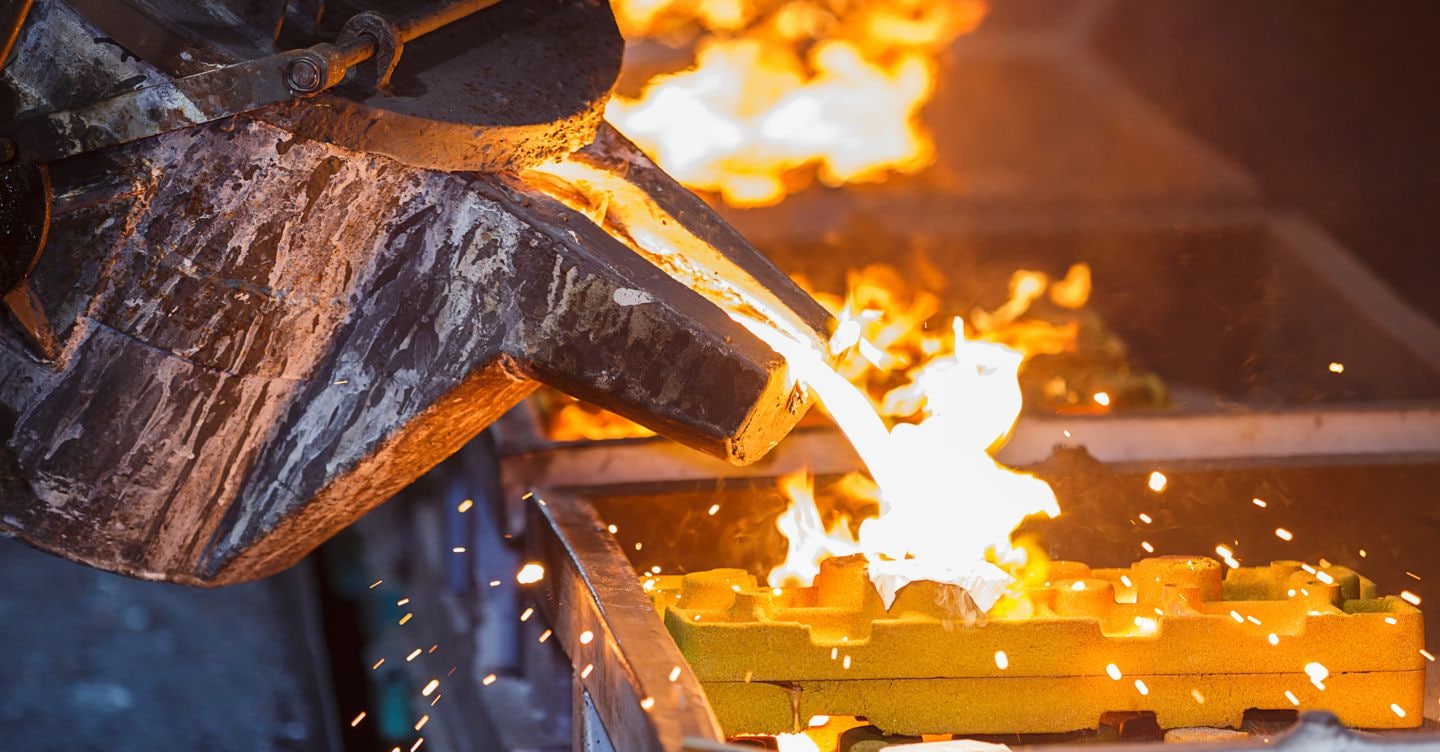
Con the price of gas at 100 euros per MWh, industry faces mounting costs, according to Gas Intensive, a consortium promoted by eight industrial associations representing sectors such as paper, ceramics, foundries, cement, Malta, ferrous and non-ferrous metals, and glass. The value of the Ttf index in Amsterdam has risen above 100 euros per MWh this week, with December futures closing at 99 euros, causing concern for large consumers about rising costs.
In a warning note, Gas Intensive states that these market tensions fear high prices throughout the winter season, which if prolonged, are unsustainable for gas-intensive manufacturing sectors. Aldo Chiarini, president of Gas Intensive, speaks for an industry that worries about an energy bill first impacting operations and margins, noting that no company can sustainably bear such high costs without compromising production, investment, and employment.
While there are financial measures in the works, such as the resources allocated for biomethane development in the budget law, they are long-term solutions that do not resolve the immediate emergency of high prices. Immediate measures are needed for the sector's major gas consumers, as well as those already forthcoming for the electricity sector.
The consortium suggests tools like liquidity services to mitigate the difference between the Italian gas price (Psv) and the Dutch Ttf price. However, these measures will not fully respond to the current emergency. The industry identifies other priorities, such as defining adequate conditions for interconnection (interrupted gas deliveries by a large consumer), which should be remunerated proportionally to the risk, similar to last year's arrangements, and capable of involving companies as needed in this phase.
Further, they request that the Bollette-bis decree outline immediate support instruments for businesses and that the gas price cap for electricity generation include industrial cogeneration, which is crucial for sectors like paper and ceramics. The need remains for immediate support in supplying natural gas for industrial production cycles, starting with the most significant consumers facing higher costs.
As an example, Poland recently approved a program worth approximately 1 billion euros to support strategic sectors like steel, chemicals, cement, glass, ceramics, and paper, aiming to compensate for their energy costs from 2027 to 2030.
Written by urgent.news from Il Sole 24 Ore's reporting — not their text. Machine-written — may contain errors; check the original before relying on it.