AI as a New Tribe: Professor Alan Macfarlane on what makes us human
What might an anthropologist make of artificial intelligence if he approached it as an unfamiliar tribe? That question framed an SCMP Plus fireside chat with Professor Alan Macfarlane at The Center in Central, Hong Kong, on October 26. Speaking with SCMP senior AI technology reporter Vincent Chow, Macfarlane explored how AI changes knowledge creation and sharing, and what distinguishes its…
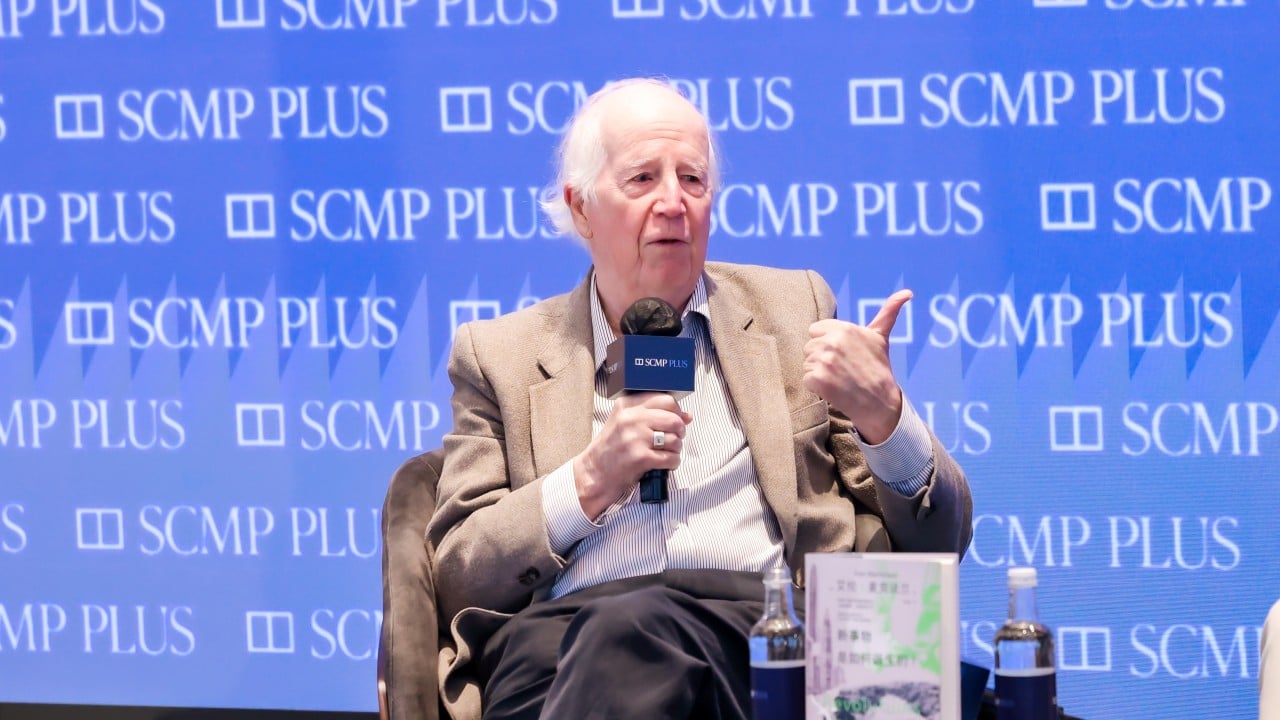
In a recent SCMP Plus fireside chat, Professor Alan Macfarlane contemplated artificial intelligence as if it were an unfamiliar tribe, exploring its origins, functionality, and societal implications. As an emeritus professor of anthropological science at the University of Cambridge, Macfarlane drew parallels between AI and historical advancements in communication, such as speech, writing, printing, and computing.
He argued that each of these revolutions transformed how people created, preserved, and transmitted knowledge, and that AI represents another significant shift.
Macfarlane emphasized that despite its digital nature, AI relies on substantial physical infrastructure, including data centers, electricity supplies, and semiconductor manufacturing. This highlights the tangible, material aspects of AI that differentiate it from purely digital technologies.
The anthropologist distinguished between AI's ability to process information and its capacity to experience the world. Drawing upon his experiments with ChatGPT, Macfarlane questioned whether conversing about death, beauty, or pain constituted genuine understanding. He posited that AI's apparent intelligence stems from sophisticated pattern recognition and the human knowledge embedded in its training, rather than conscious experience.
In discussing contrasting perspectives on AI, Macfarlane noted that while the United States often debates AI's consciousness and potential new forms of intelligence, China tends to focus on practical applications and everyday problem-solving. He suggested that cultural and philosophical traditions shape these attitudes, influencing how societies conceptualize technology and envision its role in human progress.
During the audience Q&A, Macfarlane addressed the impact of digital technology on education and employment. He stressed the importance of equipping younger generations with knowledge of both AI's opportunities and risks, while also preserving time for creativity and human interaction. Macfarlane offered a cautiously optimistic outlook, suggesting that if AI is managed thoughtfully, it could alleviate repetitive labor, providing more time for civic life, leisure, and creative pursuits.
Written by urgent.news from SCMP Business's reporting — not their text. Machine-written — may contain errors; check the original before relying on it.