Why Linux never needed defragging, while Windows relied on it for decades
Floppy disks were a major reason why.
When Windows computers relied on floppy disks in the 1970s, Microsoft created the File Allocation Table (FAT) to optimize data storage. FAT used a method similar to packing a tight suitcase, assigning each block of data to a specific spot and filling gaps with smaller pieces. As fragmentation occurred, defragmentation was introduced to rearrange blocks and improve performance. However, with the rise of larger files and more complex storage needs, defragging became necessary.
Meanwhile, Linux, created by Linus Torvalds in the 1990s, used a different approach called ext. Instead of the tight suitcase method, ext utilized separate blocks that could expand as needed. This design eliminated the need for defragmentation, as files could grow without the system having to rearrange data.
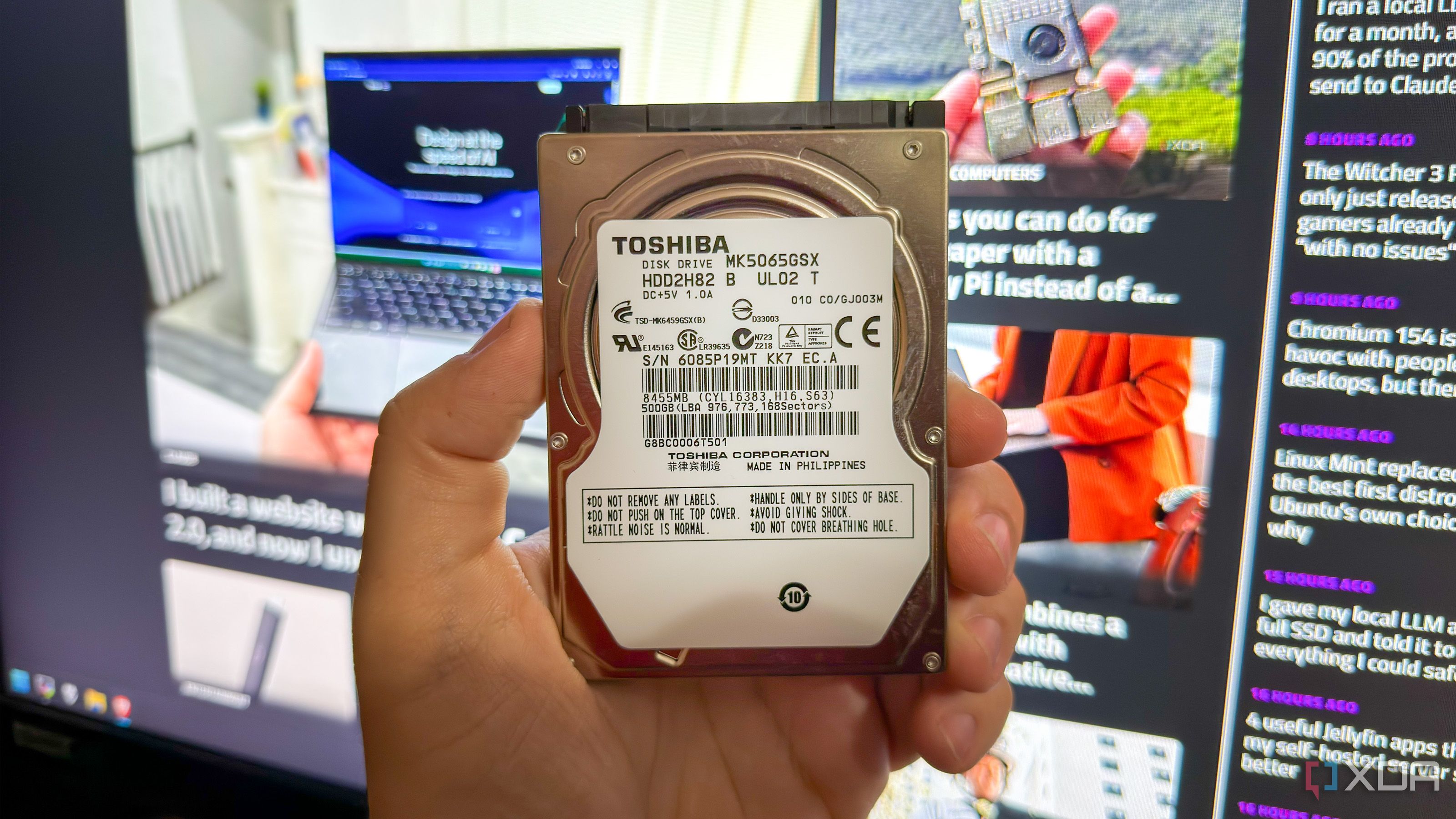
Today, the need for defragmentation has largely disappeared, especially with the advent of solid-state drives (SSDs). Unlike traditional hard disk drives (HDDs) with moving parts that require physical seeking, SSDs have no mechanical components and operate more efficiently without fragmentation. Linux systems, being inherently more conducive to SSDs, rarely require defragging, especially when using the ext file system.
While it's not impossible to need defragmentation on a Linux machine, it's generally unnecessary for regular use.
Written by urgent.news from XDA Developers's reporting — not their text. Machine-written — may contain errors; check the original before relying on it.