Wall Street's AI bet: Own the infrastructure, collect the rent
On October 29, Wall Street's leading alternative asset managers are positioning themselves for the AI boom by investing in the infrastructure that powers it, and ensuring a steady revenue stream through long-term leases. Concerns over neocloud companies potentially defaulting and massive spending on the sector failing to generate adequate returns have driven this strategic shift.
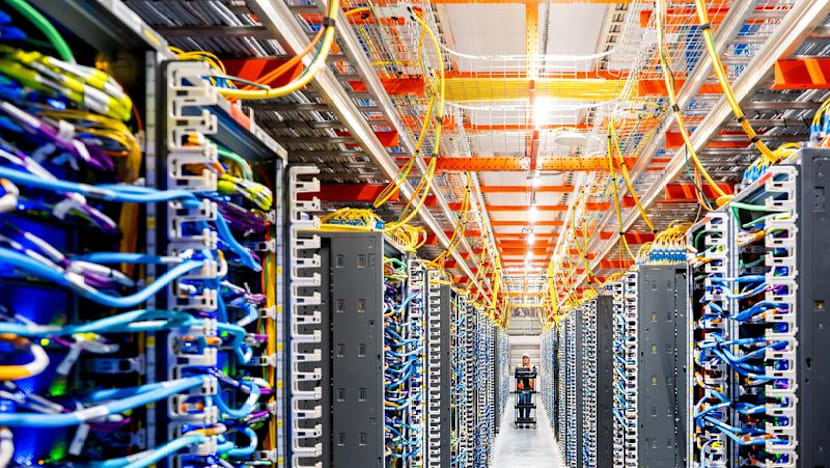
Blue Owl's co-CEO, Marc Lipschultz, highlighted the company's ownership of critical physical infrastructure and its leasing it out for 15 to 20 years with annual rent escalators. Blue Owl currently operates or is constructing over 130 data centers, providing nearly 14 gigawatts of capacity, with another 21 gigawatts in the pipeline.
The company is taking on credit risk from major tech companies like Microsoft, Amazon, and Meta. Ares Management is also focusing on metropolitan areas like Tokyo, Osaka, London, and Sao Paulo, pre- leasing projects to investment-grade hyperscalers under 12- to 15-year leases with no termination rights and inflation escalators. Blackstone has similarly emphasized its focus on physical infrastructure and long-term contracted assets, with 96% of its counterparties rated investment grade and a total market capitalization of $2.5 trillion.
The AI spending boom, which rivals the internet and railway expansion in historical significance, is estimated to reach over $5 trillion by 2030, with about $2 trillion allocated to physical data center buildings and associated power generation and transmission infrastructure.
Written by urgent.news from Channel News Asia's reporting — not their text. Machine-written — may contain errors; check the original before relying on it.
This story
This is one outlet's version. Read the fullest account.
- Wall Street's AI bet: Own the infrastructure, collect the rent channelnewsasia.com
- Wall Street ends lower as Alphabet revenue miss revives AI capex jitters straitstimes.com
- How surging demand from AI hyperscalers has quintupled flash memory prices and shifted market and negotiating power from Apple to suppliers like Kioxia (Rolfe Winkler/Wall Street Journal) wsj.com