'I think this is a great time to go do the new thing': OpenAI CEO Sam Altman thinks Gen Z entering the workforce should throw out the rulebook and do their own thing
Altman says Gen Z need to try something different to stand out in an AI-dominated workforce.
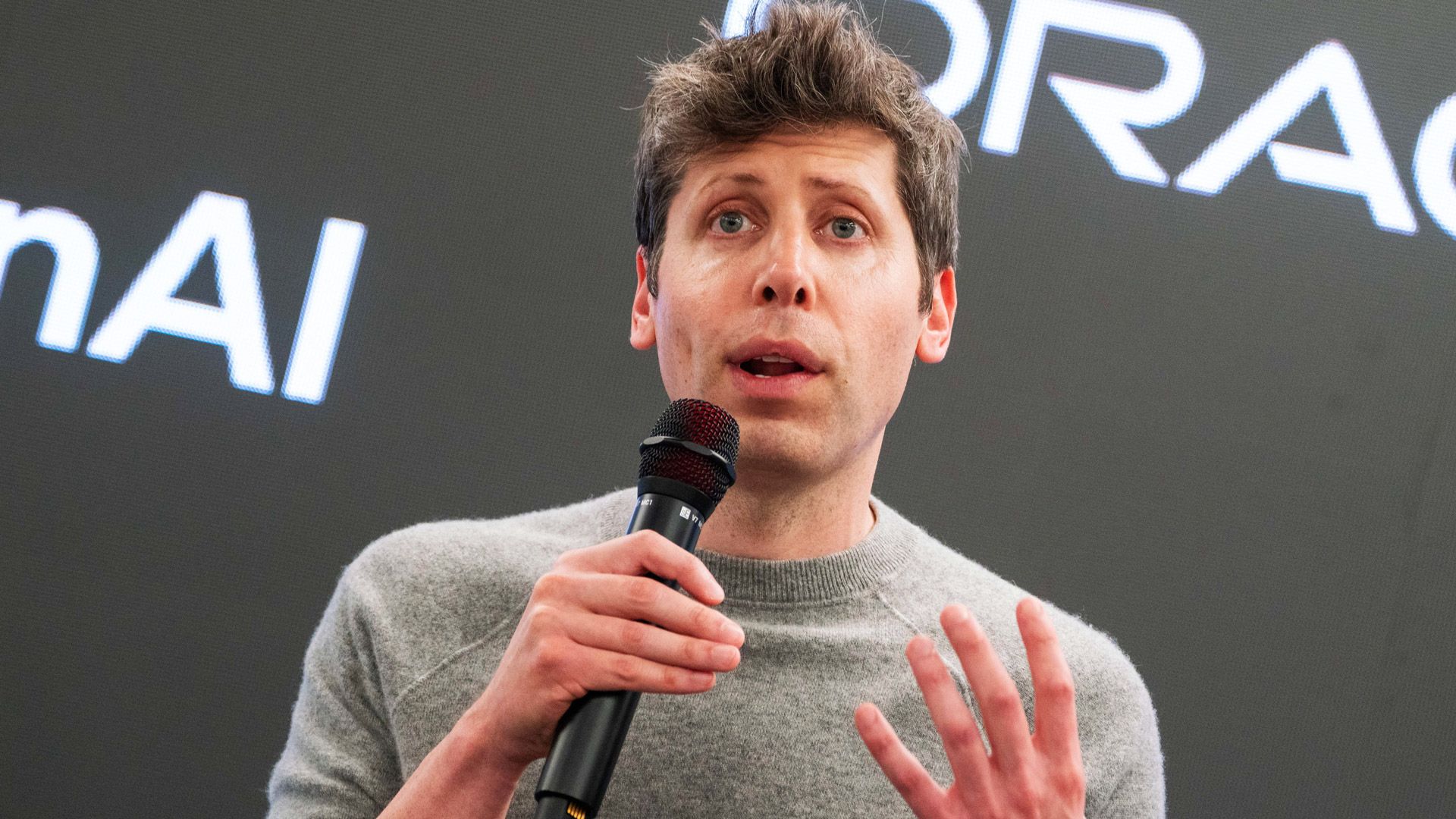
OpenAI CEO Sam Altman believes that young people entering the workforce should embrace the new era of AI and venture into uncharted territory. Speaking at Stanford's Graduate School of Business, Altman emphasized that AI will disrupt many jobs, making it crucial for new workers to adapt and innovate.
Altman expressed his frustration with MBA students who consistently seek to replicate past trends rather than embrace fresh ideas. He urged them to seize the moment and "go do the new thing" in today's rapidly evolving job market.
The OpenAI CEO highlighted that AI will take over an increasing number of tasks, rendering many existing roles obsolete. He stressed that the coming years present an unparalleled window of opportunity for those with exceptional potential, drive, and fresh perspectives.
Altman himself has an impressive track record of entrepreneurship, having launched Loopt, a location-based social networking app, as a 19-year-old dropout. He now co-chairs OpenAI alongside Elon Musk, which aims to develop beneficial AI technologies.
Altman's vision extends beyond OpenAI, envisioning a future where numerous businesses will thrive on top of the groundbreaking AI technology OpenAI has introduced. He believes that individuals with high potential and a willingness to challenge the status quo are best positioned to succeed during this period of significant change.
While Altman has previously discussed the impact of AI on the future of work, his insights remain particularly relevant in light of the ongoing AI revolution. He recently dismissed concerns about a widespread job crisis caused by AI, emphasizing that societal and working practices will remain largely unchanged for some time.
Written by urgent.news from TechRadar's reporting — not their text. Machine-written — may contain errors; check the original before relying on it.