Ukraine is getting ground robots to carry out one of the riskiest battlefield tasks — and they're doing an excellent job
Ukrainian troops use wheeled robots to lay defensive wire remotely, reducing engineers’ exposure while the machines’ operational capabilities remain undisclosed.
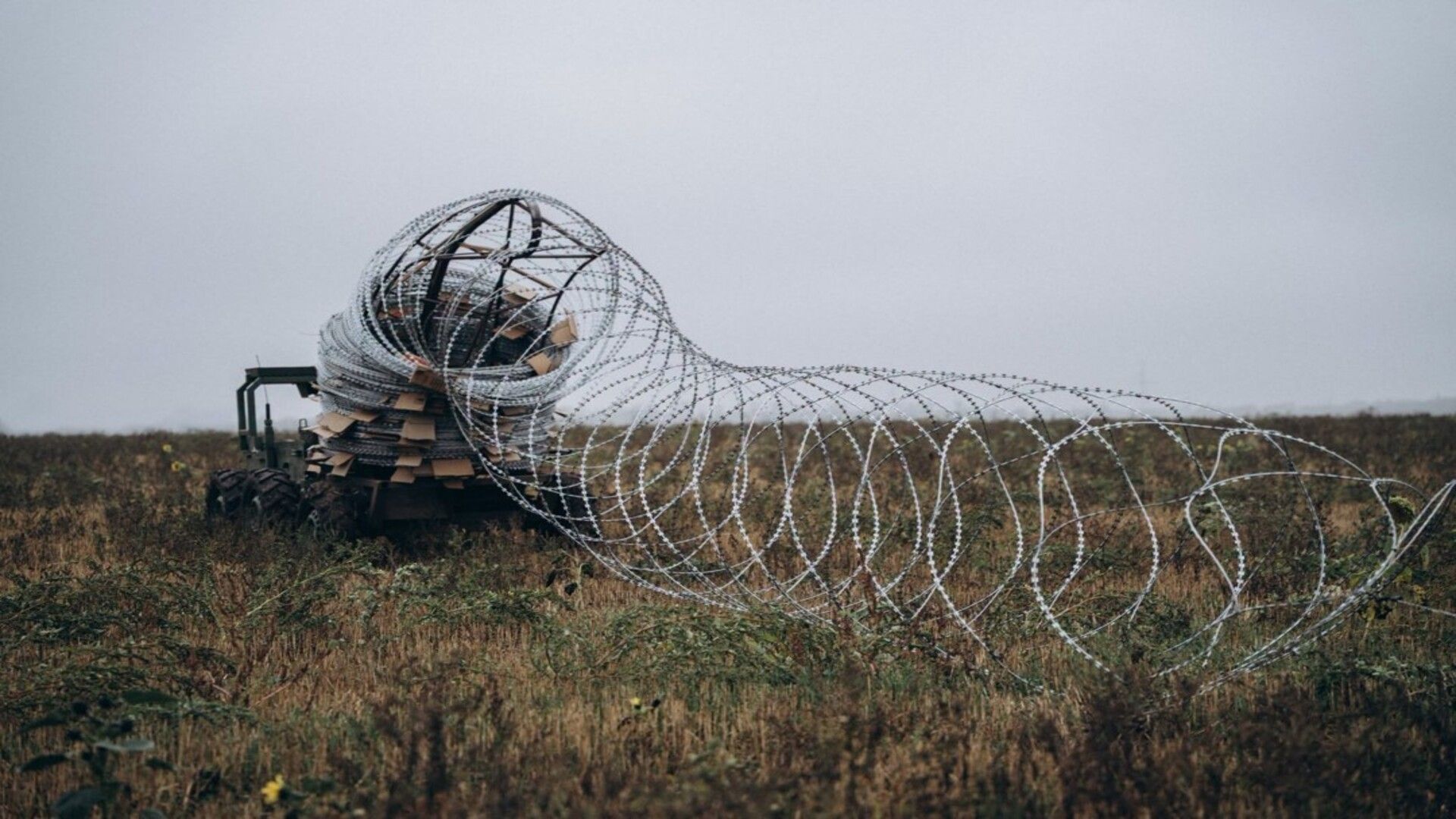
Ukraine has deployed ground robots to carry out one of the riskiest tasks on the battlefield, and they are performing exceptionally well. These autonomous wheeled robots, operated remotely, are used to construct defensive obstacles in hazardous locations where human engineers would typically face direct exposure. The number of such missions surged from 7,511 in January to 19,940 in July 2026, indicating a growing reliance on remote-operated ground equipment in the ongoing conflict with Russia.
The ground robot is equipped with a specially designed frame affixed above its wheels, which securely holds the wire rolls in place. As it moves forward, the robot gradually releases the material, creating barriers along the predetermined route. This machine is controlled by Ukraine's 16th Separate Support Brigade while remaining concealed, thereby minimizing the risk and eliminating the need for engineering teams to stand exposed while manually deploying wire across open terrain.
Ukrainian military officials have acknowledged the dangers faced by combat engineers who must install barriers in open areas. They now prefer to use ground-based drones to perform this laborious task. Despite the lack of specific details regarding the robot's carrying capacity, operational range, and the amount of fencing it can deploy in a single mission, the increasing use of these robotic systems across Ukraine demonstrates their effectiveness in protecting soldiers from confrontations.
Similar robotic systems have been employed for transporting ammunition and essential supplies, thus reducing the number of dangerous supply missions. As of July 2026, recorded robotic operations totaled 19,940, up from just 7,511 in January, highlighting the growing dependence on unmanned terrestrial machines in military operations. By the beginning of September, the total had climbed to around 112,000 recorded missions.
Although these figures encompass robotic operations in general, they do not specify how often these particular wire installation vehicles are utilized. The military has not disclosed the number of these barrier installation robots currently in service, nor have they released data on successful installations, equipment losses, or the distance covered by each machine during its assignment. Consequently, the true effectiveness of these robots in battlefield conditions remains uncertain.
Written by urgent.news from TechRadar's reporting — not their text. Machine-written — may contain errors; check the original before relying on it.