To help farmers in Southern Africa, scientists predict when to plant native nuts
Scientists studying indigenous crops recently completed a study to advise farmers on the best time to plant bambara groundnuts, a neglected African crop. Such underutilized native plants have the potential to diversify crop production and improve food security in Southern Africa. Scientists used 50 years of climate and soil data to simulate 49 growing seasons. […]
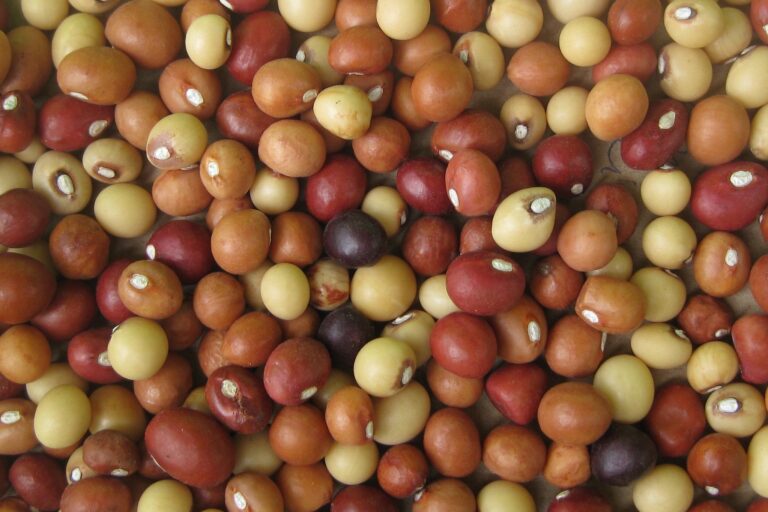
Scientists have completed a study to advise farmers on the optimal time to plant bambara groundnuts, an underutilized African crop, in Southern Africa. These native plants have the potential to diversify crop production and enhance food security in the region. The researchers utilized 50 years of climate and soil data to simulate 49 growing seasons, finding that planting in October, which marks the onset of the rainy season in the area, yields the highest harvests. Sowing seeds later in the year could expose the crop to frost and result in reduced yields.
Southern Africa continues to rely heavily on rain-fed maize, wheat, and rice as staple crops. However, water scarcity and climate change are making production more challenging, exacerbating existing food security issues. Indigenous crops, such as bambara groundnuts (Vigna subterranea), are often more resilient to drought and can thrive in low-fertility soils. These crops are also packed with essential nutrients and minerals crucial for human health, including fiber, protein, zinc, iron, and calcium.
According to Richard Kunz, one of the researchers, relying on a narrow range of crops does not contribute to climate resilience. To encourage smallholder farmers to cultivate these neglected plants, they must know the ideal planting times and locations. The team used the Food and Agriculture Organization AquaCrop model to simulate growing conditions across 5,838 altitude zones in South Africa, Lesotho, and Eswatini, considering daily rainfall, air temperature, water retention, and planting patterns.
Written by urgent.news from Mongabay's reporting — not their text. Machine-written — may contain errors; check the original before relying on it.