The Fed’s decision to hold interest rates steady helps Warsh deny Tehran a say over monetary policy
The seemingly at-odds data and consensus policy response are essentially a geography problem: The key source of the FOMC's inflation headache lies in the Middle East.
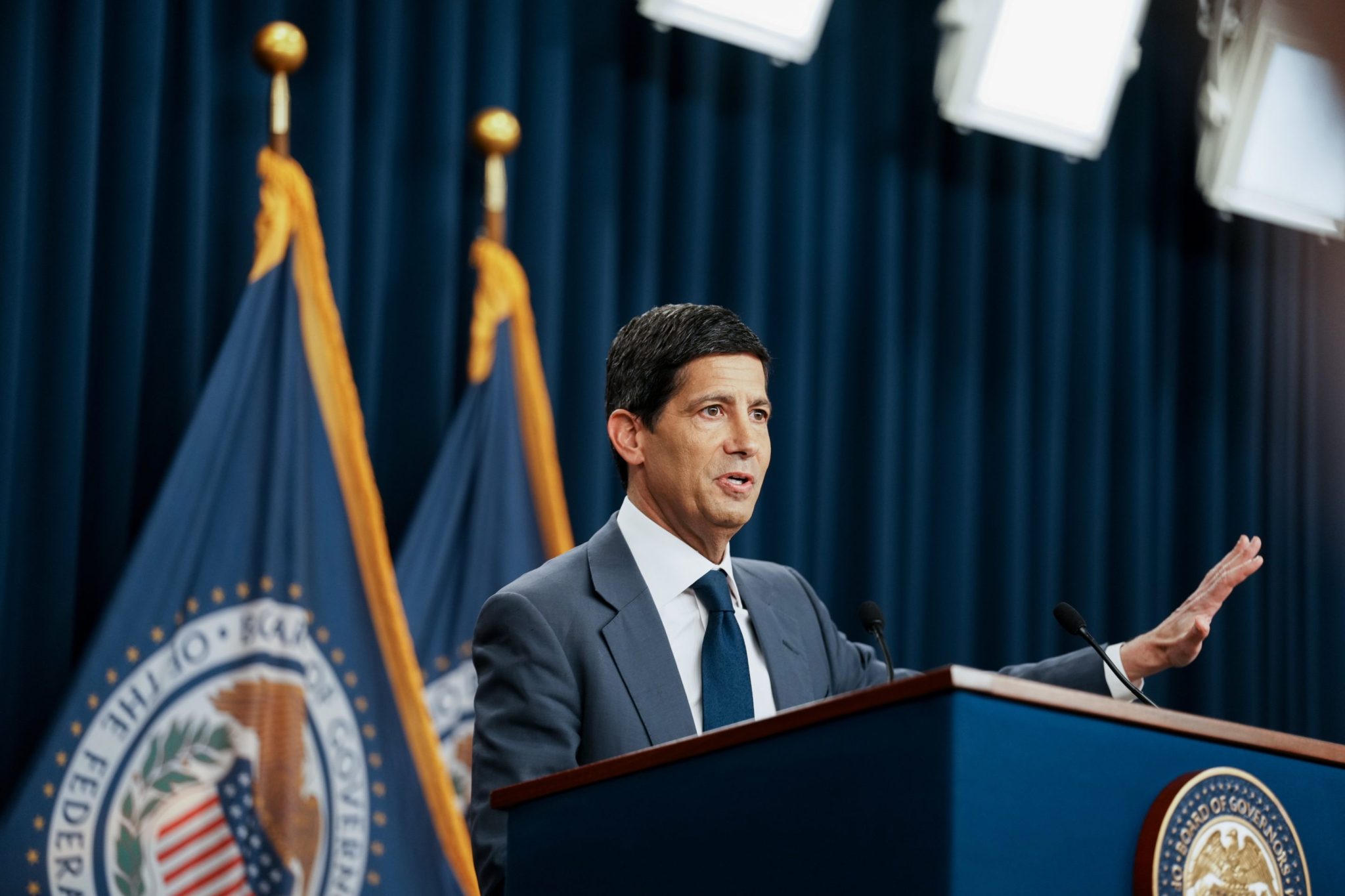
Federal Reserve Chairman Kevin Warsh has been vocal about fighting inflation since joining the central bank this spring. However, despite recent price increases surpassing the Federal Reserve's 2% target, the FOMC, under Warsh's leadership, is easing up on rate hikes. Yesterday, Warsh announced that the Federal Funds Rate would remain steady at 3.75% to 4%.
Two members, Lisa Cook and Beth Hammack, disagreed, favoring a 25 basis point increase. The discord lies in the Middle East conflict between the U.S. and Iran, driving inflation. Inflation has been 3.7% year-over-year, up from 3.4% in July and August, driven by soaring oil prices. Warsh acknowledges this, saying, "I am not going to be the guy who says that oil prices haven't gone up."
The source of the price surge is the conflict, as Iran's strategic location in the Gulf region blocks oil supply. The Fed's stance of holding rates steady suggests it will not let Iranian pressure dictate interest rates, hinting at a political factor influencing the decision. Warsh highlights the correlation between oil prices and market interest rates, cautioning that any drop in oil prices due to geopolitical events will need further scrutiny by the Fed.
Written by urgent.news from Fortune's reporting — not their text. Machine-written — may contain errors; check the original before relying on it.