Cyclone Arnab: The rupee follows the wind
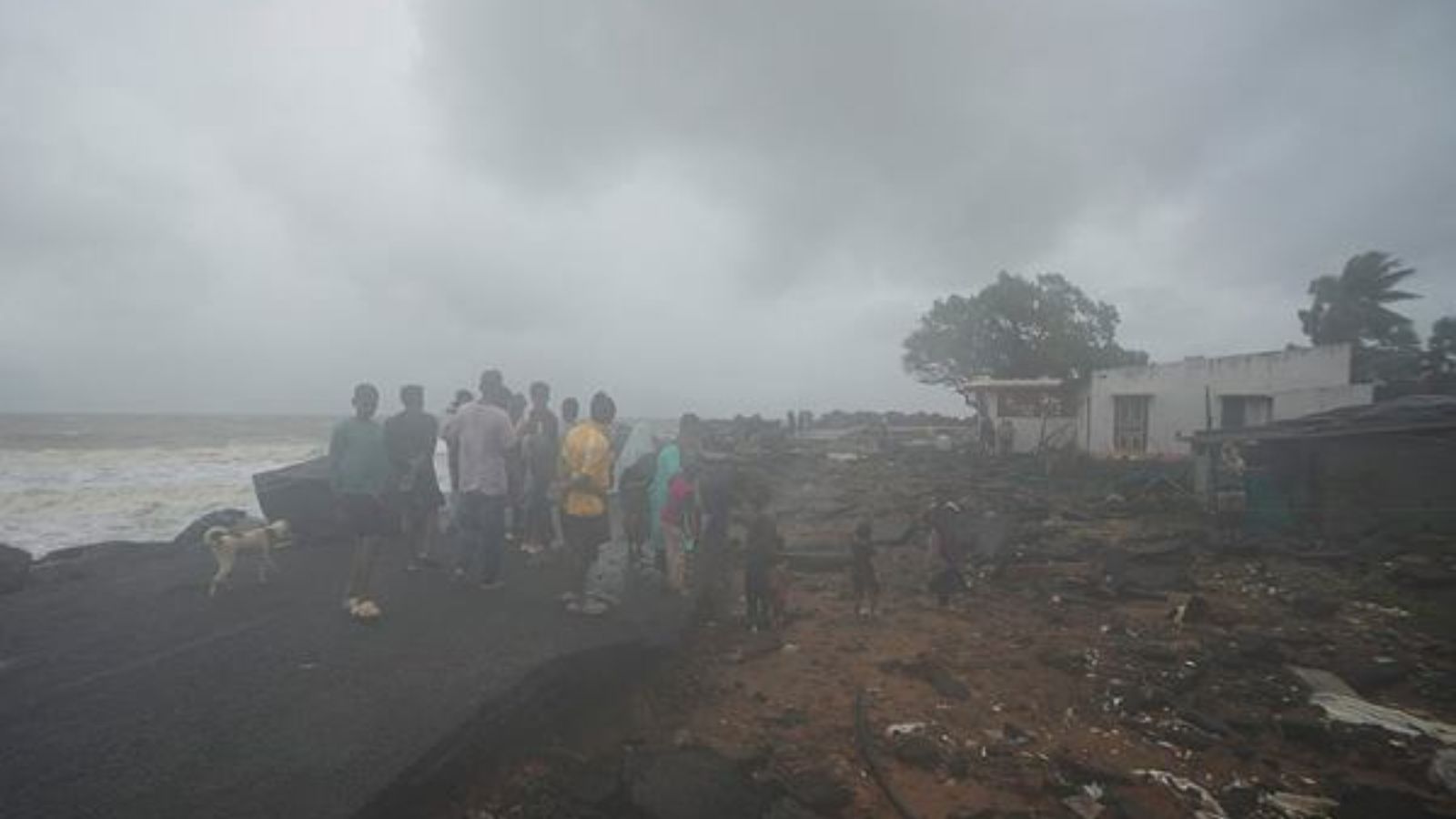
On October 29, 1999, a super cyclone hit Odisha's coast, killing 9,885 people and sparking reforms in Indian disaster policy. This led to a 99.8% decline in deaths from storms of similar intensity by 2025. Cyclone Arnab's recent landfall in the eastern coast affirmed this success. Mortality rates dropped from 21 in Phailin (2013) to only six in Dana (2024), demonstrating institutionalized safety measures.
However, economic losses remain unaddressed. Despite a combined Rs 4,331.68 crore spent on cyclone shelters and mitigation between 2014-2025, Cyclone Amphan's destruction cost West Bengal Rs 1 lakh crore, 23.08 times higher than the mitigation budget. Unofficial losses, including land salinization and supply chain disruptions, are even higher.
The eastern coast's vulnerability stems from agriculture absorbing the primary shock, varying economic exposures among states, and a lack of insurance. To address this, India must implement parametric risk insurance, restore mangrove buffers, and diversify coastal farming to cyclone-tolerant crops. These steps can shift focus from mortality management to financial resilience.
Written by urgent.news from The Indian Express's reporting — not their text. Machine-written — may contain errors; check the original before relying on it.