Study reveals new clues to why colorectal cancer in young people is so deadly
Colorectal cancer in young people shows genetic and structural differences that may make it more aggressive and treatment-resistant than the cancer tends to be in older people.
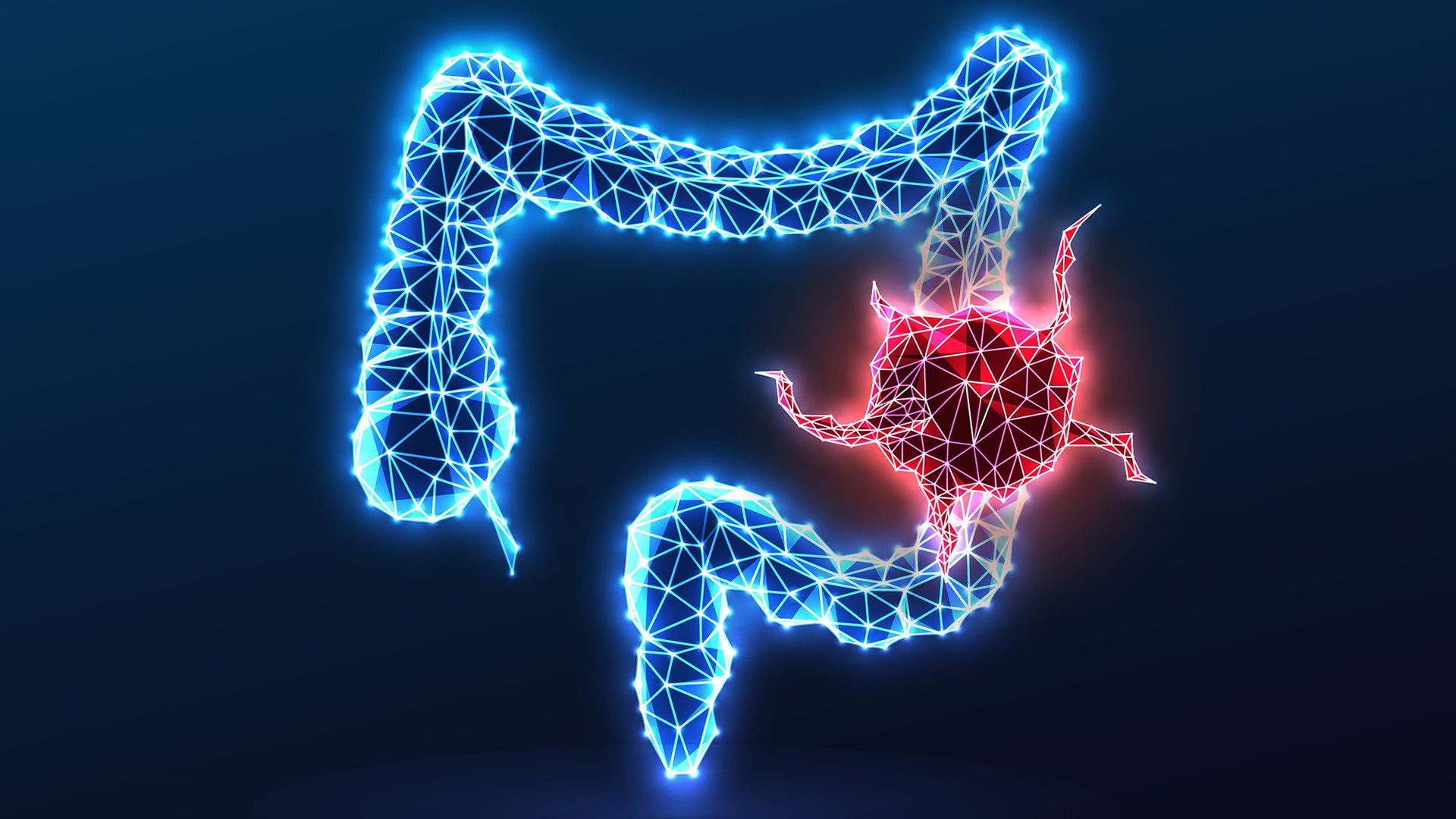
A recent study published in the journal Nature Medicine has uncovered new insights into why colorectal cancer is so deadly in young people. The research, led by co-author Ana Anderson, a professor of neurology at Harvard Medical School, compared colorectal tumors from individuals aged 29 to over 90 years old. The findings reveal key differences between young and older patients that could help scientists develop new treatments for early-onset colorectal cancer.
Younger patients tend to have more aggressive and resistant tumors, which are more difficult to treat. The researchers suggest that the presence of connective tissue cells in the tumors of young patients may be a contributing factor to their poor response to treatment. These connective tissue cells can suppress the immune system, preventing immune cells from attacking the cancer cells.
Additionally, the researchers found that younger patients have a different profile of gene activity in their tumors, which may facilitate the cells' migration through the body and increase the likelihood of metastasis.
The study also identified an abundance of long noncoding RNA within the tumors of young patients. While the specific functions of this long noncoding RNA remain unclear, the researchers hope that further investigation into its role in cancer cells could lead to new therapeutic strategies. This study represents a significant step forward in understanding the complex factors that contribute to the aggressive nature of early-onset colorectal cancer and offers hope for improved treatment options for young patients.
Written by urgent.news from Live Science's reporting — not their text. Machine-written — may contain errors; check the original before relying on it.