RM2bil Madani submarine cable project strengthens nation’s digital network
The project, scheduled to begin next year and be completed by end-2029, will strengthen digital connectivity between the peninsula, Sabah and Sarawak.
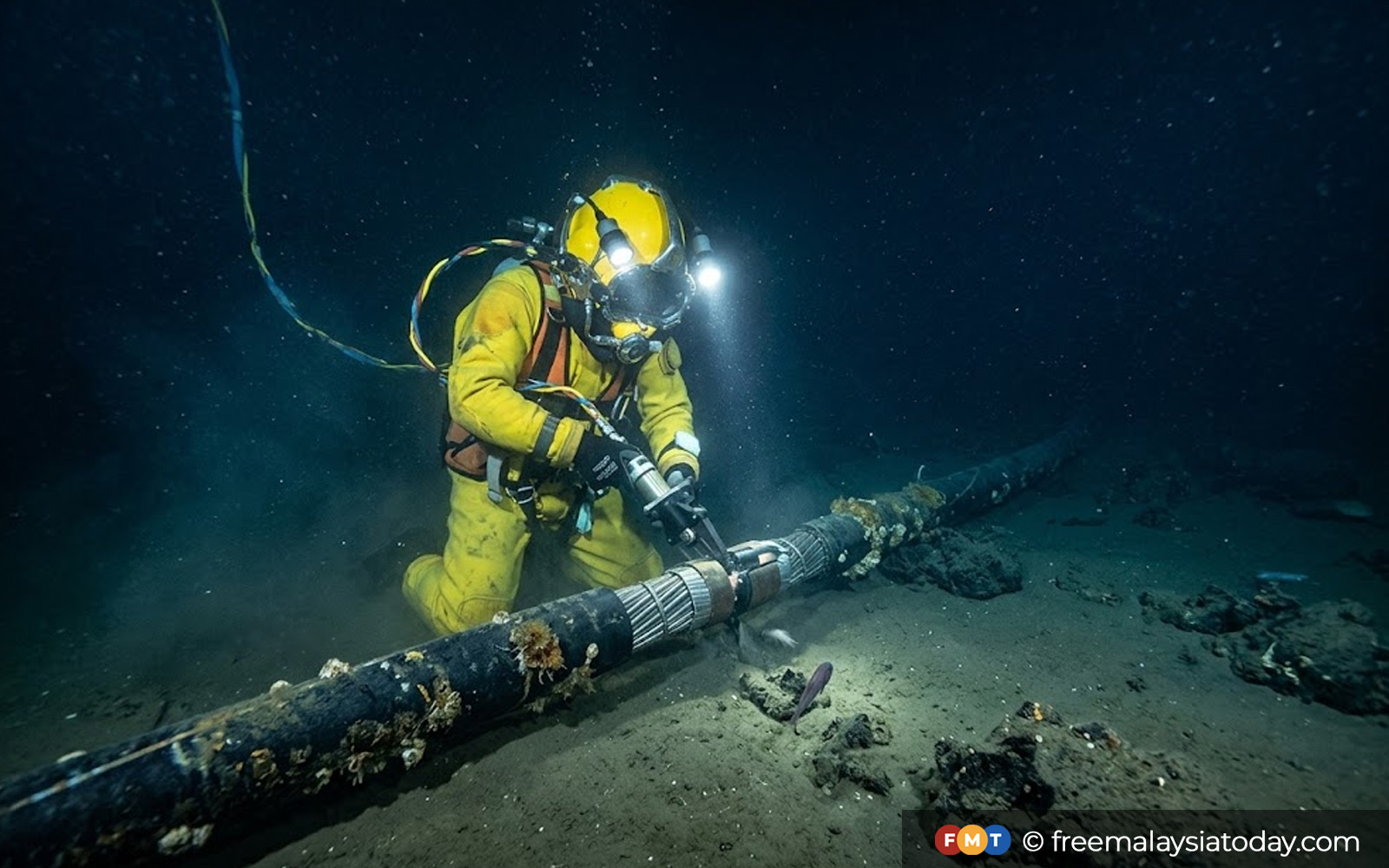
The Malaysian government is investing RM2 billion in the Madani Submarine Cable (Salam) project to enhance the nation's digital network. This strategic project, overseen by the Malaysian Communications and Multimedia Commission (MCMC) under its universal service provision framework, aims to boost data transmission capacity and improve network resilience.
The Salam project, scheduled to begin in 2027 and conclude by 2029, will span approximately 5,582km with ten cable landing stations. Three stations will be in Sarawak, five in Sabah, and two in the peninsula. The project's primary objectives are to provide additional data routes for increased reliability and reduce dependence on a single system.
Amir Akramin Shafie, a smart systems technology expert from Universiti Sultan Zainal Abidin (UniSZA), highlighted that Malaysia's current capacity for data transmission is inadequate due to the rise in internet usage, artificial intelligence (AI), and cloud computing demands. The existing 1Malaysia people's cable system, completed in 2017, has a maximum capacity of 12.8Tbps, but this is insufficient for current needs.
Amir noted that Salam will provide alternative routes to ensure continuous network services and maintain connectivity, even if a cable is damaged.
Submarine cables, which primarily utilize fibre optics to transmit data through light signals, carry around 95% of global data traffic. While these cables significantly enhance connectivity, they do not directly provide internet access to homes or interior areas; this still necessitates terrestrial infrastructure like telecommunications networks and transmission towers. Nevertheless, satellites can aid in delivering connectivity to remote regions where physical networks are challenging to establish.
Firdausi Suffian, a lecturer at Universiti Teknologi Mara (UiTM) Sabah, emphasized the critical role of digital connectivity in the economies of Sabah and Sarawak, comparing it to traditional infrastructure like roads, ports, and electricity supply. He stressed that inadequate digital infrastructure can hinder productivity, industrial competitiveness, and investment opportunities.
Firdausi pointed out that a digital divide could perpetuate development disparities, particularly in these regions. He added that with the potential for Asean's digital economy to reach US$2 trillion by 2030 under the Digital Economy Framework Agreement, Salam's stronger connectivity could significantly enhance Malaysia's share in regional digital trade and investment.
Written by urgent.news from Free Malaysia Today's reporting — not their text. Machine-written — may contain errors; check the original before relying on it.
Also reported by 1 other outlet
- Sambungan Kabel Dasar Laut Madani RM2 bilion kukuh jaringan digital negara freemalaysiatoday.com