“We could and should do more”: experts call for investment in high-speed rail maintenance
Spain allocates less to maintain the railway network than other European countries, according to data from the European Commission and civil engineers.
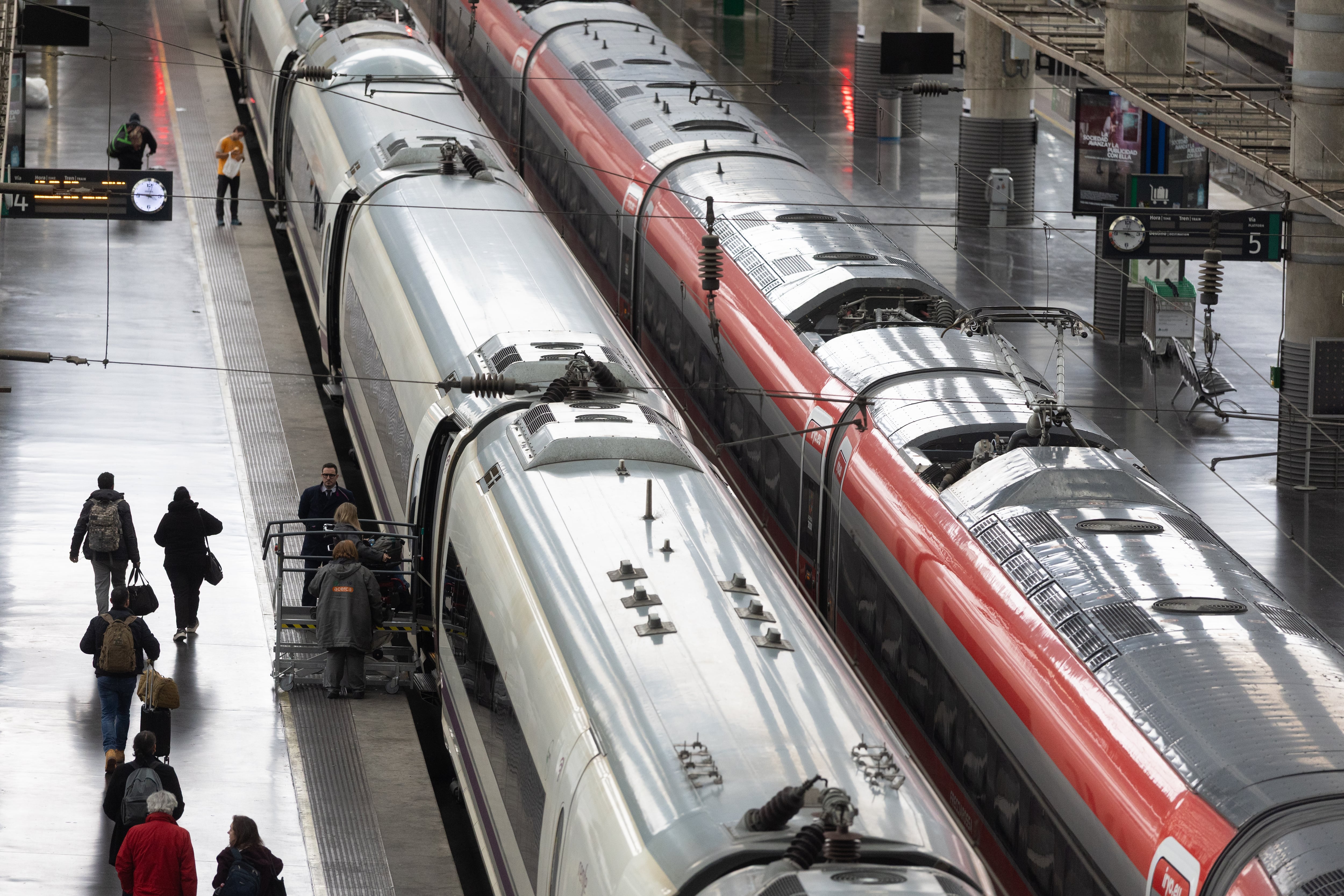
The tragic rail accident on the Madrid-Seville high-speed line, marking the second incident of the year, has once again brought attention to the maintenance of Spain's high-speed railway network. With the number of fatalities and injuries still unaccounted for and the circumstances of the incident yet to be fully understood, engineers and academics are calling for a review of the network's management.
This network has seen its traffic multiply while upkeep has been pushed to the background: Spain has chosen to build new kilometers of high-speed rail rather than ensure the stability of existing tracks, signaling systems, and systems in operational corridors, agree several consulted experts.
Between 2018 and 2022, Spain allocated around €240 million per year to maintaining its high-speed network, which represents 16% of its spending on it; the remaining €1,240 million was directed towards new construction, according to the European Commission. In contrast, France and Germany allocate roughly a third of their total spending to maintaining, renovating, and improving existing lines.
Written by urgent.news from El Pais Economia's reporting — not their text. Machine-written — may contain errors; check the original before relying on it.