Healey under fire on spending plans as UK faces ‘worst decade for living standards on record’
John Healey is facing intense scrutiny over his plans to tighten public spending around 2030, as leading economists warned the Labour government is on course to revive an austerity programme while overseeing the worst decade of living standards on record. Budget-crunchers at two leading economics think tanks have offered scathing assessments on the state of [...]
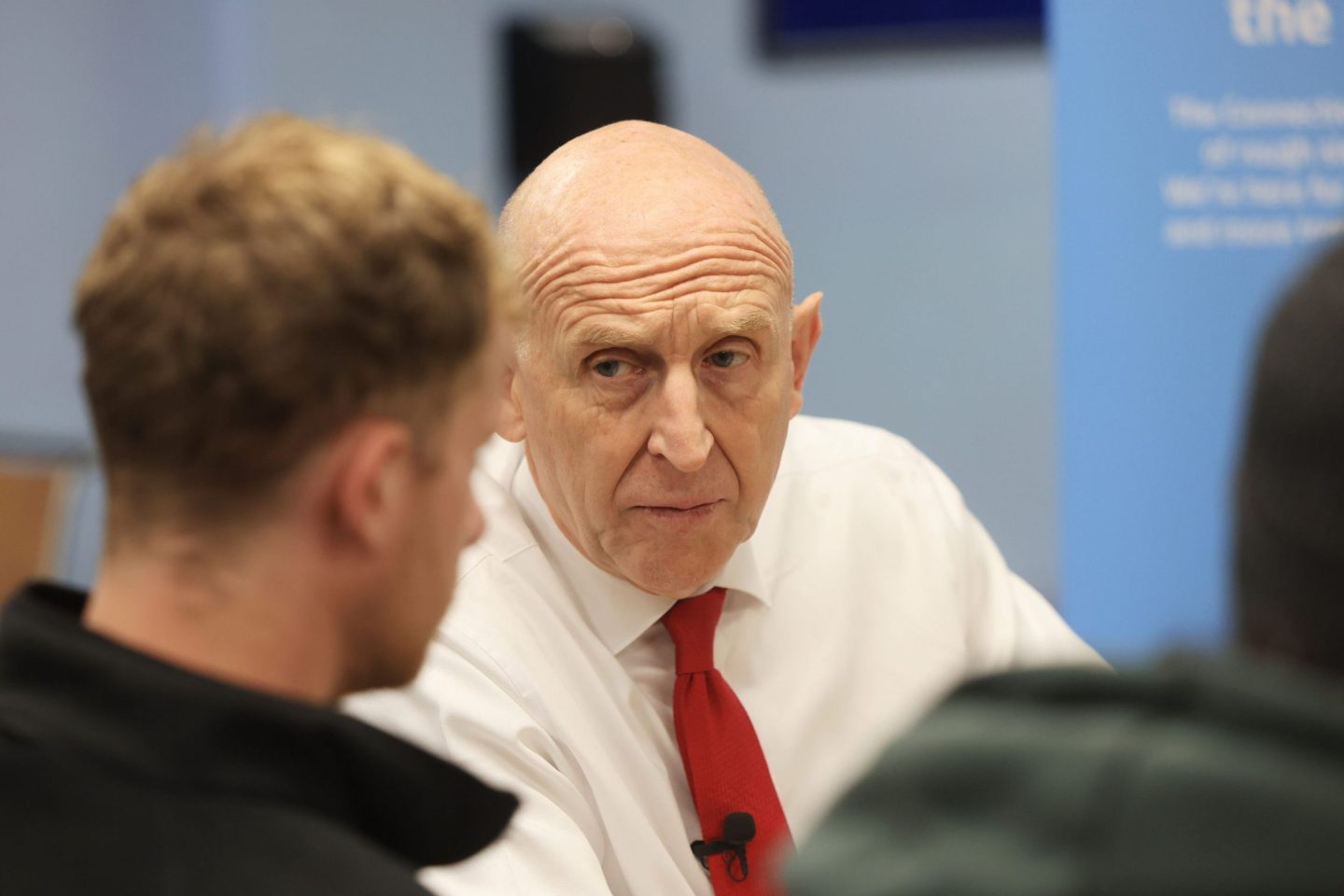
John Healey, the UK Chancellor, is facing intense criticism over his proposed spending plans for around 2030, as many economists warn that the Labour government is set to revive an austerity programme during a decade of declining living standards. Two leading economics think tanks have issued scathing assessments of the living standards situation and the mounting pressures on government spending that may lead to drastic cuts in certain departments next year's Spending Review.
Next year, the crucial Spending Review will outline spending plans for departmental budgets over the following three years, coinciding with the deadline for calling an election. Healey is responding to the criticism, stating that the government is committed to controlling spending. However, the Resolution Foundation, a respected think tank, argues that the government plans to increase departmental budgets by £9bn during the current Spending Review period (2025-2029).
Yet, they predict that a planned slowdown in the following years will put 13 government departments at risk of facing cuts, potentially reaching a "post-austerity historic low".
The Office for Budget Responsibility (OBR) chair, Jonathan Haskel, presented the OBR's projections of £11bn in cuts to departments, assuming that defence spending will reach 3% of GDP by 2030, and health spending will continue to rise rapidly. Meanwhile, the Institute for Fiscal Studies (IFS) director, Helen Miller, expressed skepticism about Healey's plans to deliver cuts to certain departments, including the Ministry of Justice or the Home Office.
She also expressed frustration with the Chancellor's decision to use Treasury reserves to fund a gap in the Defence Investment Plan, citing that nearly 40% of day-to-spending reserves have already been spent.
The Resolution Foundation further criticized the £2.6bn energy price subsidy package for 20 million households, stating that the outlook for household income is "catastrophic". The think tank projects that real household disposable income will only rise by 1.4% during the 2020s, compared to an 18% increase in the 2010s and an 18% rise in the 1990s.
The IFS also warned that the current decade is likely to be the worst for growth in household incomes ever recorded. No matter the temporary cost-of-living packages, "we need a stronger economy," according to Miller.
Written by urgent.news from City AM's reporting — not their text. Machine-written — may contain errors; check the original before relying on it.