Chernobyl’s Stray Dogs Show Signs of Natural Selection, Study Finds
Dogs living near the Chernobyl nuclear power plant have genetic patterns consistent with natural selection, according to a new study. Researchers identified more than 100 regions of DNA showing signs that certain genetic variants may have become more common over generations. The regions include genes associated with DNA repair, immune responses and cancer-related processes. The […]
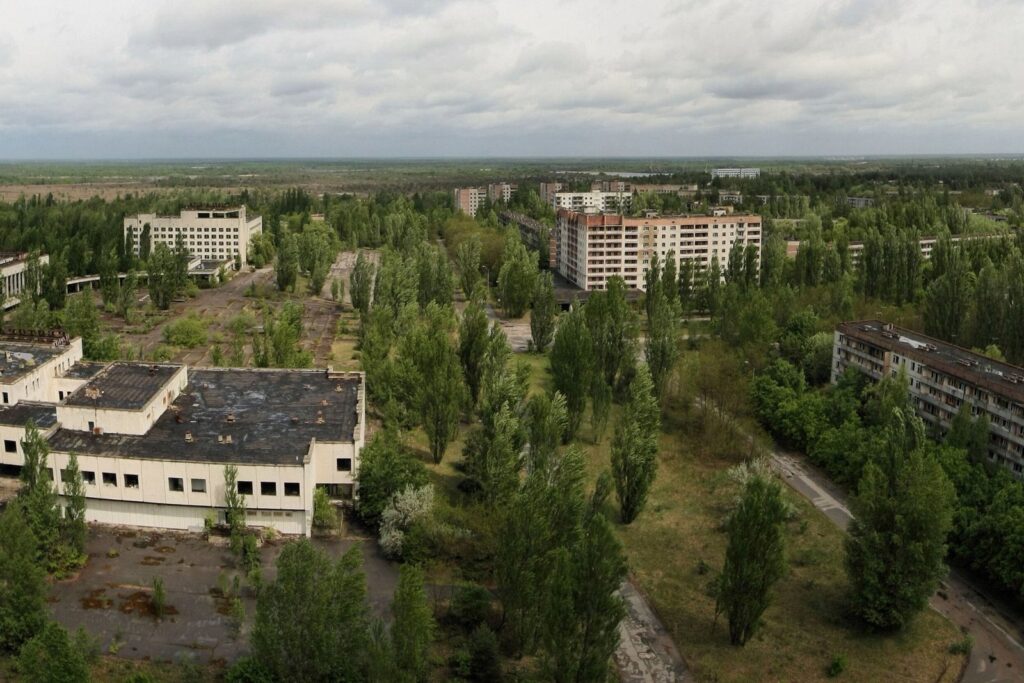
In the Chornobyl exclusion zone, stray dogs have shown signs of natural selection, a new study reveals. These dogs have developed genetic patterns that indicate certain traits may have become more prevalent over multiple generations. The study, published in Genes, examined free-breeding dogs descended from pets left behind after the 1986 nuclear disaster and found over 100 regions of DNA showing evidence of directional selection.
These regions include genes associated with DNA repair, immune responses and cancer-related processes. The findings suggest that dogs living near the nuclear power plant have genetically distinct traits compared to dogs in Chernobyl City, located about 10 miles away. The researchers estimate that these dog populations have persisted for more than 30 generations since the nuclear disaster.
While the study does not conclusively demonstrate that the animals have stronger defenses against radiation, cancer or other contaminants, it points towards natural selection as a potential factor shaping the plant population's genetic differences. Researchers believe that some dogs may have survived the initial exposures due to genetic variants that gave them a survival advantage, but they cannot determine which specific environmental pressures played the largest role in developing these genetic differences.
Written by urgent.news from Colombia One's reporting — not their text. Machine-written — may contain errors; check the original before relying on it.