Apple seems to have the right approach to the first touchscreen Mac
Steve Jobs famously dismissed the idea of a touchscreen Mac back in 2010 when he said that it “gives great demo” but turns out to be “ergonomically terrible” in real-life use. It was inevitable that eyebrows would be raised when the company did a U-turn on this by launching the first touchscreen Mac . But while I have no interest myself, I do think the company’s counterargument some 16 years…
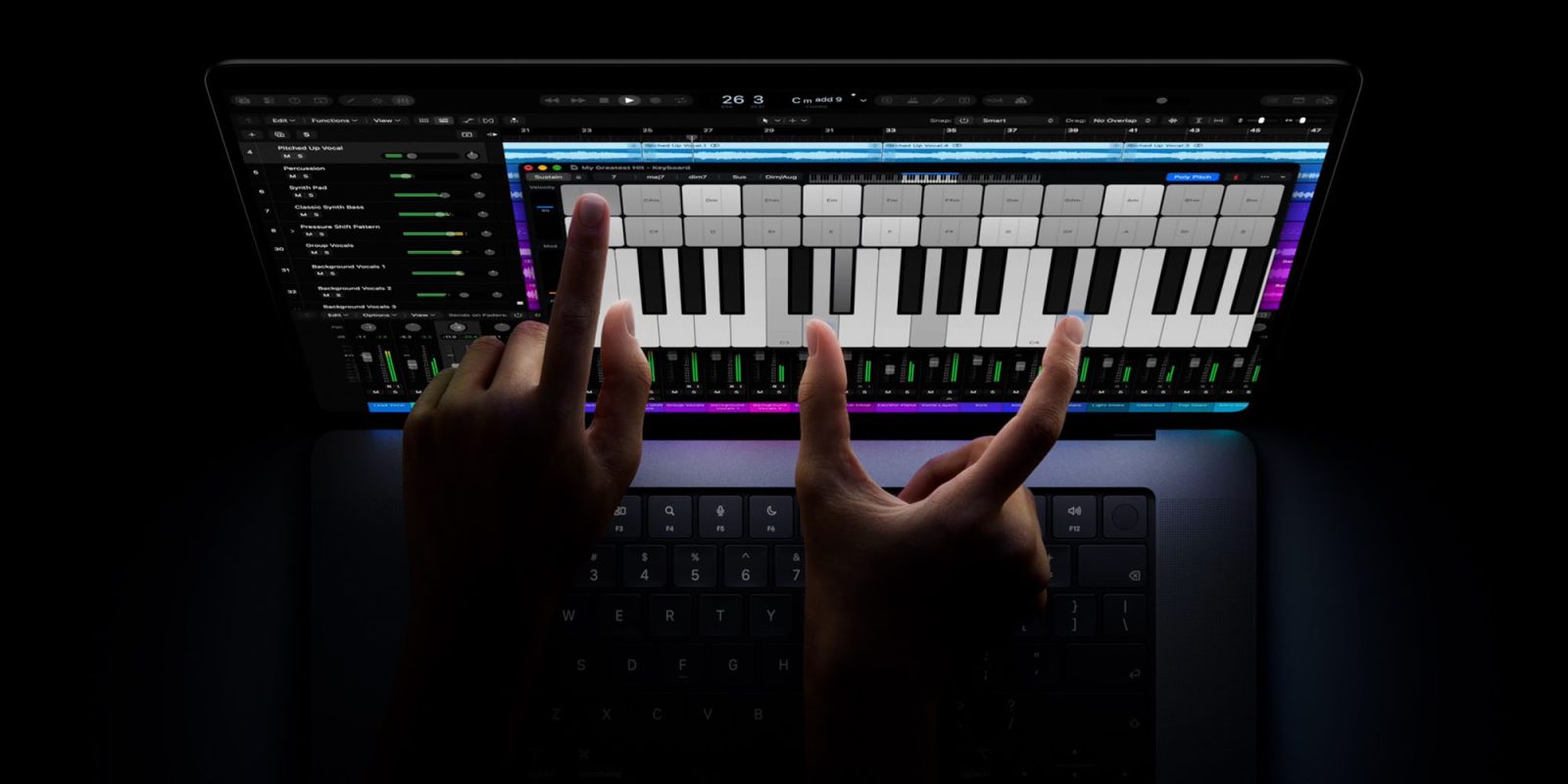
In 2010, Steve Jobs dismissed the idea of a touchscreen Mac, claiming that it was "ergonomically terrible" in real-life use. However, the tech giant recently made a U-turn and launched the first touchscreen Mac. While I have no personal interest in this change, I believe the company's reasoning makes sense.
After extensive user testing, Apple concluded that touch surfaces do not work well when vertical. They found that after a short period, users start to fatigue, and after an extended period, the arm wants to fall off. Touch surfaces simply don't want to be vertical. Instead, Apple has perfected its multi-touch trackpads over the years, making them the primary input device for their Macs.
Current CEO John Ternus clarified that touch was intended to be a supplementary way of interacting with the machine, not a primary one. He emphasized that the Mac is first and foremost an indirect input device built around the trackpad and keyboard. However, he acknowledged that there are times when touch can be comfortable and handy.
The new touchscreen Mac still focuses on being an indirect input device, with the trackpad remaining the primary control mechanism. Ternus suggested that the touchscreen is not the headline feature of the new model. In fact, the majority of users tend to use the trackpad rather than the touchscreen for controlling a Mac.
I, myself, am a long-time Mac user who prefers the trackpad over a mouse. I also used a 12.9-inch iPad with a Magic Keyboard as a mobile alternative, and I found that I mostly used the trackpad, with occasional use of the touchscreen for scrolling. This aligns with Ternus' perspective that trackpad should be the primary method of control, with touchscreen being a supplementary option.
Interestingly, when an M1 MacBook Air replaced my iPad with a Magic Keyboard, I didn't miss the touchscreen at all. Over the years, Apple has played a significant role in shaping the touch interface generation. However, I still believe that the trackpad will remain the primary control mechanism for most users, for the reasons Steve outlined 16 years ago.
While I wouldn't personally buy a touchscreen Mac, I can see why Apple added the feature. Apple has maintained its commitment to a high-resolution UI and precise control, which are essential for Mac users. The company's approach to touchscreen appears to be the right one, offering a supplementary option without compromising the Mac's core functionality.
Written by urgent.news from 9to5Mac's reporting — not their text. Machine-written — may contain errors; check the original before relying on it.
This story
This is one outlet's version. Read the fullest account.