A new wave of electric ferries is here in the US. Some even fly
Replacing diesel-powered ferries with electric vessels could reduce emissions and improve air quality Cutting through New York Harbor in the shadow of the Statue of Liberty, the small white boat we were riding on caught the attention of passengers aboard a nearby sightseeing ferry. “It’s quite a curiosity at the moment,” Eric Laakmann, the chief executive and co-founder of Vessev, said. Climate…
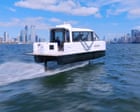
Reimagining ferries with electric power, some even boasting the ability to fly, is emerging as a reality in the United States. These innovative vessels promise to reduce emissions and enhance air quality, addressing the challenge of pollution associated with diesel-powered ferries. Companies like Vessev are leading the charge by building fully electric hydrofoil boats, which use underwater wings to lift their hulls above the water's surface, dramatically reducing drag and increasing energy efficiency.
Eric Laakmann, the CEO and co-founder of Vessev, explains that these hydrofoils allow the boat to lift about a foot and a half above the water, resulting in a smooth and nearly airborne glide. By significantly reducing drag, Vessev's hydrofoil design cuts drag by approximately 66%, enabling the boats to carry smaller battery packs, thereby reducing weight and cost.
However, electrifying boats comes with its own set of challenges. The heavy weight of batteries and the need for frequent recharging must be carefully considered, as well as how far the vessel can travel, how many passengers it will carry, and how quickly it must recharge.
Vessev is already operating passenger services in New Zealand and plans to expand to Australia, with its first service in the US planned for Lake Tahoe. Laakmann envisions a future where electric ferries become a common mode of public transportation, comparable to subways, buses, and taxis, all operating on water. This shift could not only reduce pollution but also enhance connectivity between communities and alleviate congestion on roads.
As transportation is the largest source of greenhouse gas emissions in the United States, replacing diesel-powered ferries with electric ones could significantly improve air quality around busy waterfronts.
While Vessev is not the only entity pursuing this technology, it faces stiff competition. In Stockholm, commuters ride electric hydrofoil ferries built by Candela, which boasts a design that can reduce energy use by up to 80% compared to conventional vessels. Norway has also ordered 20 of its electric hydrofoil boats for coastal service.
For ferry operators, the benefits extend beyond environmental concerns. More efficient designs and advancements in battery technology are opening up new routes for electric boats that were once considered impractical. Lower operating costs, driven by fuel price increases, further bolster the case for electric ferries.
In San Francisco, the city's largest ferry operator currently carries about 3.5 million passengers annually, all on diesel-powered vessels. This is set to change as the agency prepares to add four battery-powered ferries over the next two years, part of a broader electric overhaul worth about half a billion dollars, including charging infrastructure at docks.
While the transition will require careful coordination of vessel range, timetables, and charging capacity, the long-term benefits of reduced operating costs and lower emissions are expected to make it worthwhile.
The shift towards electric ferries is not without its hurdles. Battery-powered ferries generally necessitate a larger initial investment in vessels and charging equipment. However, electric motors can be more efficient than diesel engines, leading to potential long-term savings on fuel and maintenance. The feasibility of this transition depends heavily on the specific route, taking into account factors such as long distances, tight schedules, and limited recharging opportunities.
Despite these challenges, the financial case for electric ferries is strengthening, particularly with rising diesel costs and continuous improvements in battery technology.
San Francisco's electric ferry expansion, set to include high-speed, all-electric hydrofoil boats, will be the first of its kind in the United States. The project, which involves constructing boats and batteries in the United States, could create significant job opportunities. In conclusion, the rise of electric ferries, including those capable of flying, marks a significant step forward in sustainable transportation.
By reducing emissions and improving air quality, these innovative vessels offer a promising alternative to traditional diesel-powered ferries, paving the way for a cleaner, more efficient future on the nation's waterways.
Written by urgent.news from Guardian Business's reporting — not their text. Machine-written — may contain errors; check the original before relying on it.