How imaging offers a window to treat wake-up strokes
One in five ischaemic strokes is a wake-up stroke. “This means a person wakes up from his/her sleep with symptoms of stroke. The symptoms include facial drooping, difficulty speaking, sudden vision problems and weakness on one side of the body
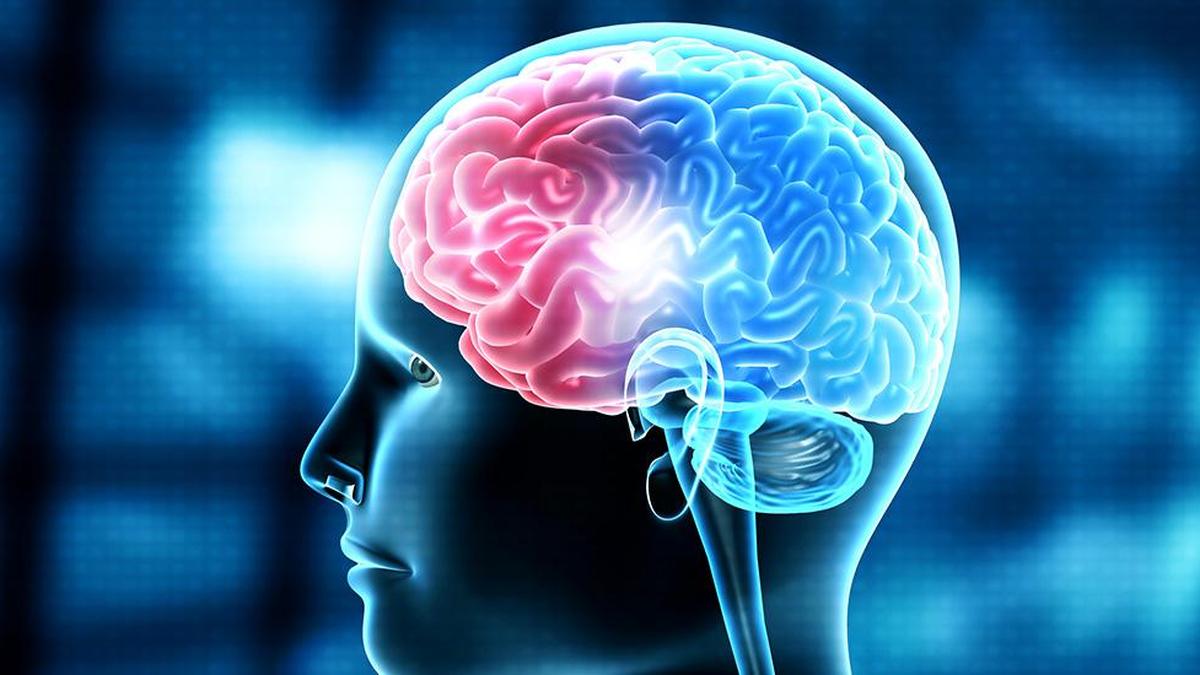
When it comes to stroke treatment, time is of the essence. However, a stroke that occurs while a person is asleep may go unnoticed until they wake up with symptoms, leaving medical professionals without a clear timeline of when the stroke began. Brain imaging plays a crucial role in identifying patients with wake-up strokes and assessing the extent of injury to enable swift treatment.
According to Dr. M. Radha, head of the neurology department at Government Kilpauk Medical College Hospital in Chennai, 20% of ischemic strokes are wake-up strokes, meaning one in five such cases presents symptoms upon waking. Symptoms include facial drooping, difficulty speaking, sudden vision problems, and weakness on one side of the body.
Immediate medical attention is vital to ensure timely treatment, as thrombolysis can be performed within 4.5 hours of symptom onset. Yet, in wake-up strokes, the exact timing of symptom onset is unknown, making swift action crucial. Imaging, such as MRI brain scans or CT angiograms, helps doctors evaluate brain injury and blood flow to different parts of the brain, determining if there is a mismatch that may indicate salvageable brain tissue.
Radiologists at KMC Hospital, Chennai, are working closely with emergency department staff, radiology, and neurology teams to provide prompt care for wake-up stroke patients. The BE FAST acronym helps identify stroke symptoms, and increased awareness of these signs has improved referral systems.
Written by urgent.news from The Hindu Health's reporting — not their text. Machine-written — may contain errors; check the original before relying on it.
Also reported by 1 other outlet
- How imaging offers a window to treat wake-up strokes thehindu.com