Glassworkers Crack the Ancient Mystery of a 1,600-Year-Old Color-Changing Roman Cup
Learn more about the color-changing glass used to create this anicent roman cup and how glassworkers were finally able to recreate it.
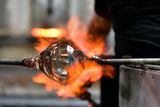
Centuries-old Lycurgus Cup baffled experts with its ability to change colors between jade green and ruby red depending on the light source. This dichroic glass, found only in 40 surviving Roman glass cage cups, has remained a mystery despite numerous attempts by scientists and glassmakers to recreate it. Researchers from the University of Sheffield have finally achieved the color-changing effect, solving the mystery.
The cup, dating back to the 4th century A.D. and depicting King Lycurgus of Thrace, now resides in the British Museum. It is believed that Romans created dichroic glass by adding small amounts of silver and gold to molten glass, forming gold and silver nanoparticles thinner than a grain of sand. These nanoparticles strongly absorb light and change color based on size and shape.
University of Sheffield's Lisa Hollands, with the help of Professor Caroline Jackson, developed a base glass using modern materials, then experimented with various materials, furnace types, oxygen levels, and even sugar before achieving the desired effect. The Molecular Photonic Breadboards project, a partnership between University of Sheffield and Bristol, commissioned artist Elliot Walker to create a contemporary sculpture using Hollands' recipe.
The sculpture will soon be displayed, offering valuable insights into the scientific applications of this unique glass, particularly in photonic materials and radioactive waste containment.
Written by urgent.news from Discover Magazine's reporting — not their text. Machine-written — may contain errors; check the original before relying on it.