Gastkommentar – Global Challenges: Der Autopakt von Berlin und Paris schadet der EU
Das Abkommen kombiniert die schlimmsten politischen Instinkte, argumentieren Ignacio García Bercero, Simone Tagliapietra und Jeromin Zettelmeyer von der Brüsseler Denkfabrik Bruegel.
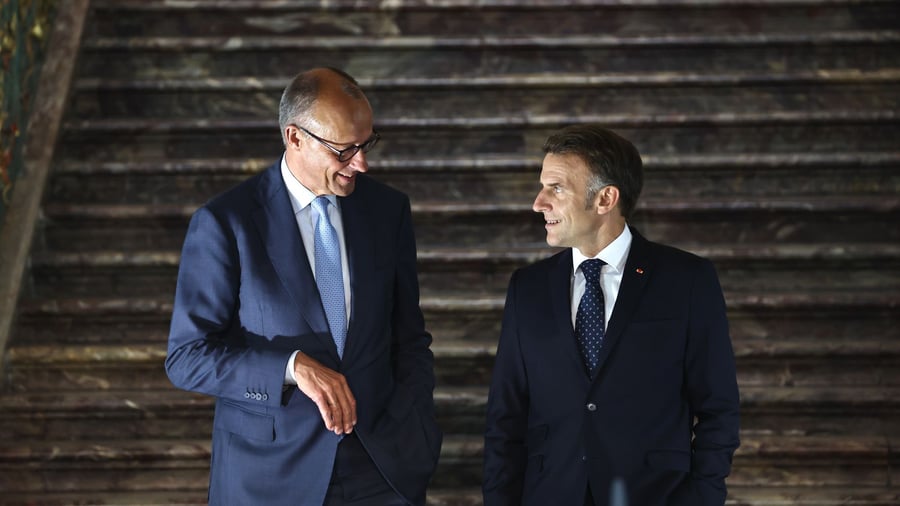
Recent French-German initiatives, once hailed as an example of cohesive leadership bolstering the European project, have failed to strengthen the EU. The joint declaration on securing the future of the European automotive industry, published on October 16th, regrettably does not achieve this. The agreement blends Germany's and France's most detrimental political instincts.
At a time when rising diesel prices are accelerating the adoption of electric vehicles, France has succumbed to German pressure, further easing the EU target for reducing CO₂ emissions from cars by 2035. Germany, on the other hand, has squandered its credibility as a proponent of rule-based trade by agreeing, under pressure from France, to the most restrictive variant of the "Made in EU" preferences.
The deal now stipulates that only electric vehicles produced in Europe will be eligible for subsidies. The Franco-German maneuver transforms two previously competing national stances into a joint political demand. While France and Germany cannot dictate EU legislation, their combined economic and political clout exerts considerable pressure on the European Commission and other EU nations to adjust accordingly.
Written by urgent.news from Handelsblatt's reporting — not their text. Machine-written — may contain errors; check the original before relying on it.