Apple was always against touchscreen Macs. What changed?
Ever since Windows 8 paved the way for touchscreen laptops, Apple’s been against them. And the company hasn’t exactly been shy about making its feelings known. “It gives great demo, but after a short period of time you get fatigue,” Steve Jobs said in 2010 . “It’s ergonomically terrible.” “Lifting your arm up to poke a screen is a pretty fatiguing thing to do,” Craig Federighi, Apple’s senior…
Apple has long opposed the inclusion of touchscreen functionality in its Mac computers, with executives voicing concerns about user fatigue and ergonomics. In 2010, Steve Jobs remarked that touchscreen usage "gives great demo, but after a short period of time you get fatigue... It's ergonomically terrible." Later, in 2018, Craig Federighi echoed these sentiments, stating that he never anticipated wanting to use a touchscreen.
John Turnus, Apple's CEO at the time, reiterated this stance in 2021, emphasizing that the Mac is "totally optimized for indirect input" and that they haven't seen a reason to change the current design.
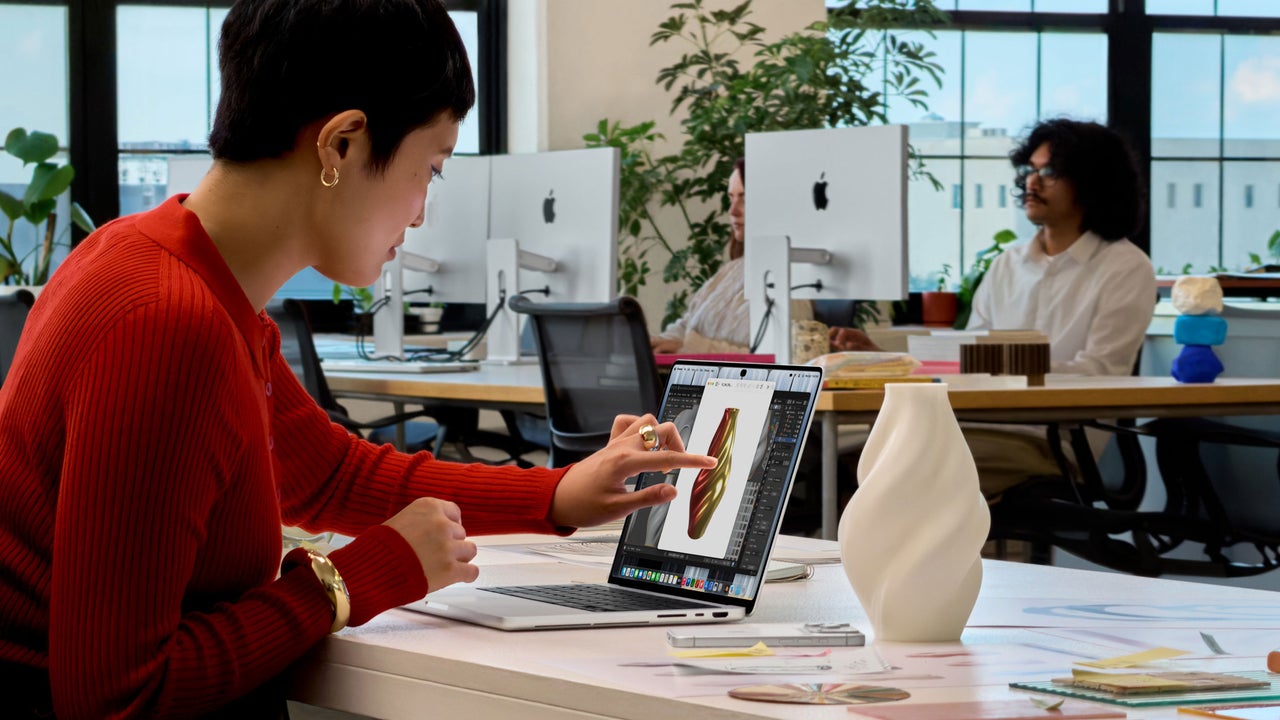
Despite this, Apple has recently introduced a touchscreen-equipped MacBook Pro with a PROLED XDR Display. This shift appears to be a response to changing market expectations, particularly among younger users who are accustomed to touchscreen devices like iPhones and iPads. While Apple hasn't explicitly outlined the reasons behind this decision or addressed the potential drawbacks associated with prolonged touchscreen use, it has incorporated some elements to enhance the touchscreen experience.
For instance, it has updated its gesture APIs to support multitouch gestures and added a "Dynamic Island" interface for iOS users. However, Apple has maintained its traditional clamshell design and has not fundamentally altered the macOS interface to accommodate touchscreen input.
Written by urgent.news from Fast Company's reporting — not their text. Machine-written — may contain errors; check the original before relying on it.