A free AI tool speeds up the search for new antibiotics
McMaster University’s ESKAPE model lets researchers screen compounds for antibacterial potential, helping speed up drug discovery.
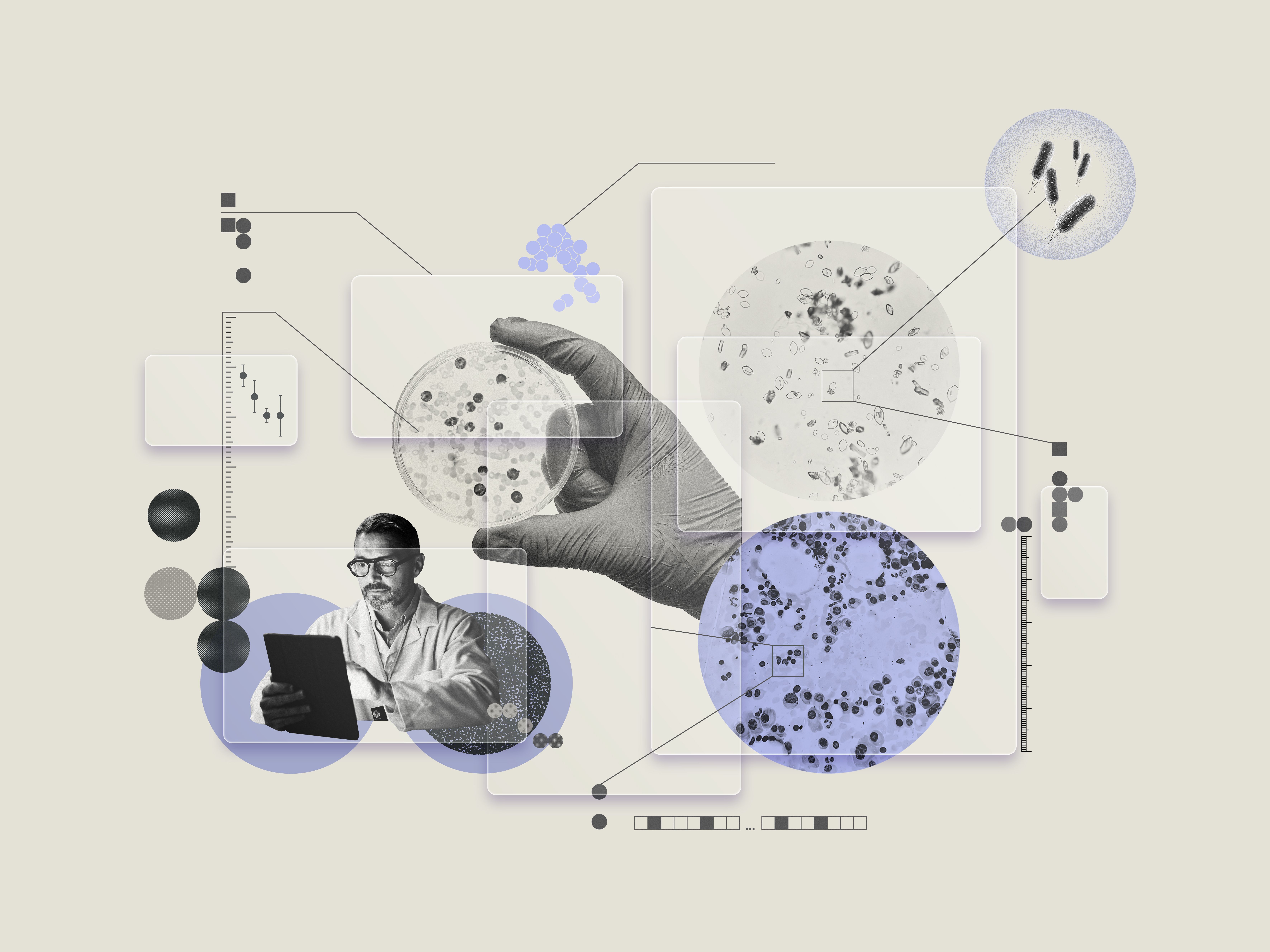
Drug-resistant infections claim over a million lives annually, yet major pharmaceutical companies have largely steered clear of developing new antibiotics due to the costly and time-intensive research and development process. Autumn Arnold, a PhD student at McMaster University in Canada, has devised an affordable solution: an AI model called ESKAPE, which predicts the antibacterial potential of chemical compounds.
The model is freely accessible, requiring only an internet connection and a list of compounds from researchers. Jonathan Stokes, the microbiologist leading the lab, emphasizes that researchers maintain ownership of their discoveries and are not obligated to share the submitted compounds. Stokes highlights the alarming convergence of antibiotic resistance, dwindling antibiotic pipeline, and mounting economic challenges, which make drug discovery prohibitively expensive - a new drug costs approximately $1 billion to create, with no guarantee of recouping the investment.
To date, researchers have utilized the ESKAPE model to screen over 12 million molecules, with the capacity to analyze more than 40,000 compounds daily, potentially accelerating drug discovery significantly. An alternative approach, developed by researchers at MIT and Sweden’s Karolinska Institutet, involves "generative deep learning" to forge new molecules targeting antibiotic resistance.
Stokes stresses the global nature of the problem, urging collaborative efforts to combat antibiotic resistance.
Written by urgent.news from Semafor's reporting — not their text. Machine-written — may contain errors; check the original before relying on it.