Taiwan looks to autonomous swarms to counter Beijing’s grey-zone pressure
Taiwan is developing an AI-powered system to coordinate drone fleets for maritime surveillance and countering “grey-zone” activities, with researchers completing a simulation involving 20 aircraft, according to the island’s Ocean Affairs Council. The system, which is funded by the council, would allow different types of drones to autonomously divide tasks, plan routes and coordinate their…
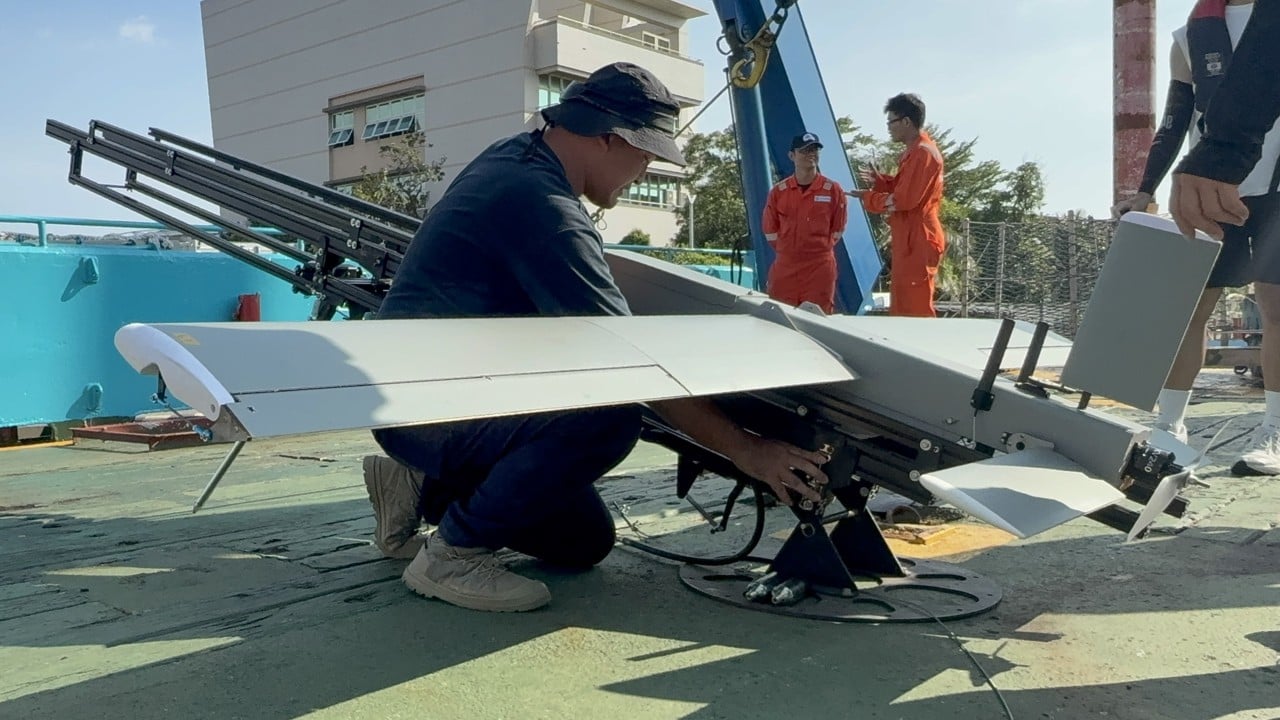
Taiwan is investing in autonomous drone swarms for maritime surveillance and countering "grey-zone" activities, according to the island's Ocean Affairs Council. Researchers from National Cheng Kung University have successfully simulated the coordination of 20 drones, a significant step towards integrated aerial and maritime coastguard operations.
The system, funded by the council, will allow different drone types to autonomously divide tasks, plan routes, and coordinate movements in real-time. The drones under consideration are the US-made fixed-wing VTOL aircraft JUMP 20, V-BAT, and Flexrotor. The project utilizes AI-based multi-agent reinforcement learning to enable autonomous mission allocation, route planning, and coordination between drones.
The next phase will involve hardware-in-the-loop testing and flight trials in actual maritime environments. Taiwan's coastguard is expanding its uncrewed aircraft fleet and personnel training, with a budget of NT$1.2 billion (US$39 million) allocated for acquiring 12 V-BATs and six command-and-control systems. The initiative aims to enhance maritime domain awareness and provide additional "eyes in the sky" for coastguard personnel, particularly in the face of Beijing's grey-zone harassment.
Written by urgent.news from South China Morning Post's reporting — not their text. Machine-written — may contain errors; check the original before relying on it.