Interview: „Stihl wird der ‚last man standing‘ sein“
Die Motorsägen-Weltmarke stellt auf Elektro um. Verbrennertechnik kommt weiter aus heimischer Produktion, die Zukunft sieht Stihl woanders. Denn Deutschland hat ein Problem, sagt Michael Traub.
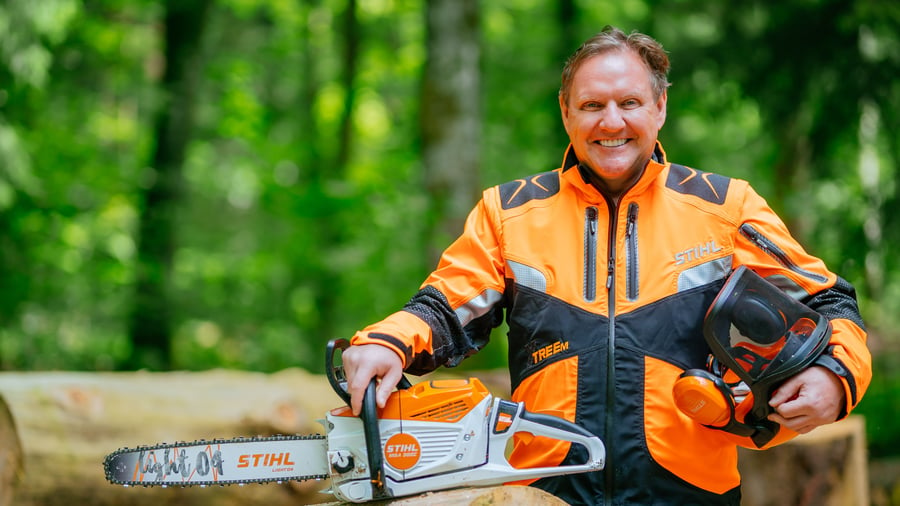
In an interview, Traub explains why Stihl sells nearly twice as many battery-powered tools as gas-powered ones in Germany. The company's transformation to electrification has been more successful than the automotive industry due to its family-owned nature and focus on customer needs rather than technology. Stihl aims for dual technology leadership in both combustion and battery-powered tools, aligning its strategy with customer demands rather than regulatory pressures.
The company began electrifying Heckescheisen (chainsaws) in 2009 because they have a significantly lower power demand compared to Kettensägen (chainsaws), making them easier to convert to battery operation. Professional battery systems were introduced in 2015, but the company is now focused on replacing gasoline-powered chainsaws with electric ones on a one-for-one basis.
They continue to develop gasoline-powered chainsaws as demand remains high in markets like North and South America, where they are essential for large trees.
Stihl does not anticipate a ban on combustion engines in Europe, despite the fact that California has a practical ban on certain machine sizes. The company's success in Europe, with a 50% share of battery-powered tools and over 60% in Germany, demonstrates that customer preferences, not regulation, drive their strategy. Stihl is 100 years old this year, and the transformation has changed the company by reducing the need for certain skills and adjusting production times. Manufacturing battery-powered tools in Romania instead of Germany has proven economically viable.
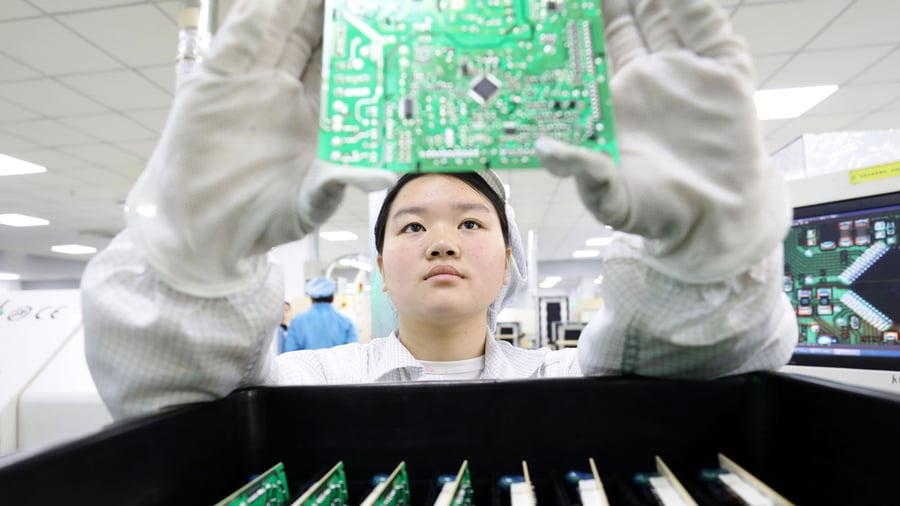
While many Stihl products are now made in China, including the Qingdao factory that produces a quarter of the company's global output, the company faces potential trade barriers with the U.S. Stihl continues to invest heavily in Germany for its gasoline-powered professional tools but does not plan to bring new manufacturing to the country due to productivity challenges and a 35-hour workweek.
The company remains committed to Germany and its Waiblingen headquarters but may reduce its workforce. Despite this, Stihl expects to remain the "last man standing" in technology leadership in the coming decades.
Written by urgent.news from Handelsblatt's reporting — not their text. Machine-written — may contain errors; check the original before relying on it.