Emotionale Kompetenz: Wie geht guter Umgang mit Gefühlen, Lukas Klaschinski?
Traurigkeit, Wut, Freude: All unsere Gefühle gehören zu uns und zum Leben dazu. Warum wir sie nicht nur zulassen, sondern auch ernst nehmen sollten - und wie Beziehungen davon profitieren.
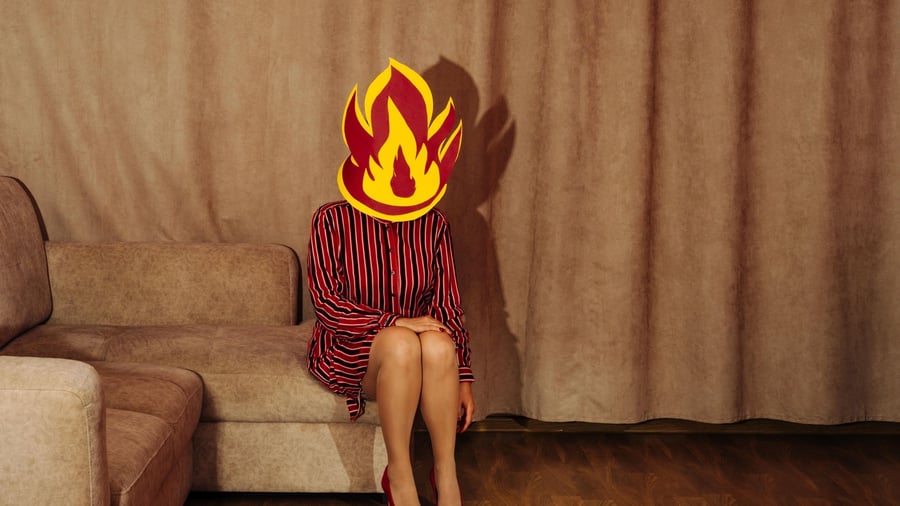
Emotional competence is about the proper handling of feelings, according to psychologist Lukas Klaschinski. Klaschinski explains that feelings can be wonderful, but also unpleasant, overwhelming, yet guiding. He advises that only by truly feeling our emotions can we understand their important messages. Feelings are the essence of our existence; everything we sense, smell, taste, hear, and see ultimately translates into an emotion.
Klaschinski distinguishes between pleasant and unpleasant emotions without labeling them as negative or positive. Pleasant emotions, such as happiness, encourage us to repeat good actions, while unpleasant emotions like sadness signal the loss of a significant person in our lives. Anger, although unpleasant, warns us that someone has crossed our boundaries.
If we lack emotions or fail to feel them, they still control us, but we remain unaware of their direction. Suppressing or ignoring emotions can lead to psychosomatic disorders such as irritability, exhaustion, anxiety disorders, and even more serious conditions like high blood pressure, depression, and sleep disorders.
To effectively react to a feeling, Klaschinski emphasizes the importance of distinguishing between feeling and acting on an impulse. Feeling an emotion does not mean acting on the urge to act out the emotion. The key is to find a space between the stimulus and the reaction. Emotional readiness is crucial for this purpose. One must have the courage to enter the moment of silence where feelings emerge.
Feelings require space, time, and room, meaning we must first have the courage to enter the moment of silence when a feeling arises. Emotions manifest as physical reactions, such as tightness in the chest, pressure on the shoulders, or heaviness. Acknowledging these sensations without judgment is essential. Many emotions are unpleasant, but we can still choose not to evaluate them immediately.
Instead, we can simply observe the physical sensation, much like describing a painting rather than evaluating its quality. This allows us to see feelings as part of our inner landscape, much like the weather, which comes and goes in waves. By embracing our feelings, we enhance our competence and strengthen our relationship with ourselves and others.
Psychologist Lukas Klaschinski, born in Berlin in 1983, is an expert in this field, author, and host of several podcasts, including "So bin ich eben" with psychotherapist Stefanie Stahl.
Written by urgent.news from Handelsblatt's reporting — not their text. Machine-written — may contain errors; check the original before relying on it.