‘Astronomical’ Arab turnout could reshape Israeli politics in key election
Read the latest on Israel's election here An “astronomical” turnout of Arab voters is expected in the Israeli elections on Tuesday, with the possibility that their politicians could significantly influence the next government, political sources have told The National . Senior opposition officials have also said there is a possibility of a coalition or agreed minority government with the Arab…
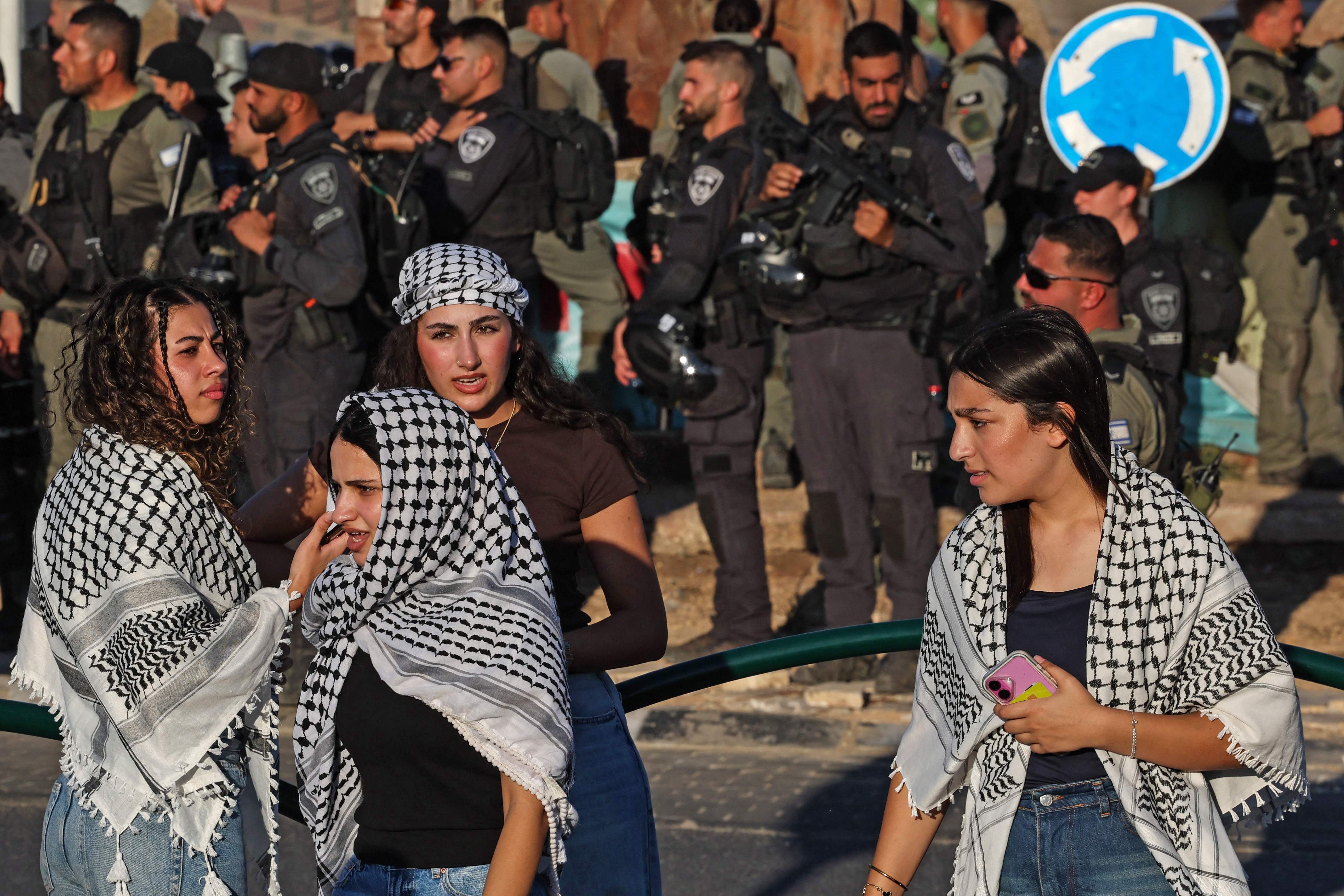
An "astronomical" turnout of Arab voters is anticipated in Israel's upcoming elections, potentially reshaping the political landscape, according to political sources. These sources suggest the Arab parties could become influential in forming the next government, should mainstream parties fail to secure an outright majority. Opinion polls, now closed, forecast the opposition party with 56 seats, Prime Minister Benjamin Netanyahu's Likud party with 50, and the Arab parties with 14 seats in the 120-member Knesset.
To form a government, 61 seats are required. The opposition, led by Gadi Eisenkot, might form a minority government with tacit support from Arab parties or join forces with the Ra'am party, led by Mansour Abbas. Arab influence could rise from approximately 50% to 70% of the two million citizens, comprising 20% of Israel's total population.
Political observer noted the stark difference between the current hard-right parties and their predecessors, potentially altering the political dynamics. If the opposition bloc, led by Eisenkot, takes power, it could tackle settler violence and illegal dwellings in the West Bank. With 61 seats needed in the 120-seat Knesset, three possible outcomes from the election include a coalition involving Ra'am, a "government of unity" potentially led by Eisenkot, or a coalition between the center-right and ultra-orthodox parties, possibly including Likud.
Additional factors, such as 700,000 young first-time voters, 70,000 Israelis returning from abroad, and the issue of conscripting ultra-Orthodox young men, could influence the outcome. Key issues for Israel include upholding its security, addressing the ultra-Orthodox's objection to military service, and potentially establishing a written constitution with term limits for prime ministers.
Netanyahu, serving his third term in almost 20 years, faces international sanctions and a declining birth rate, except among the Arab and ultra-Orthodox populations. Some observers believe Israel may opt for Netanyahu's unity government for political convenience, despite the potential for a more progressive government.
Written by urgent.news from The National UAE's reporting — not their text. Machine-written — may contain errors; check the original before relying on it.
This story
This is one outlet's version. Read the fullest account.