Philippines: Green power needs to be built with communities' trust, gained through local consent
The Philippines needs cheaper electricity. People want it. The industry needs it. The nation badly requires it to push industrial development, And it's possible, with ramped up renewable energy projects. This drive, no doubt, will also lead to greater energy security. There's just one big problem: Every time a major pumped-storage hydropower project is proposed, it meets a familiar wall: angry…
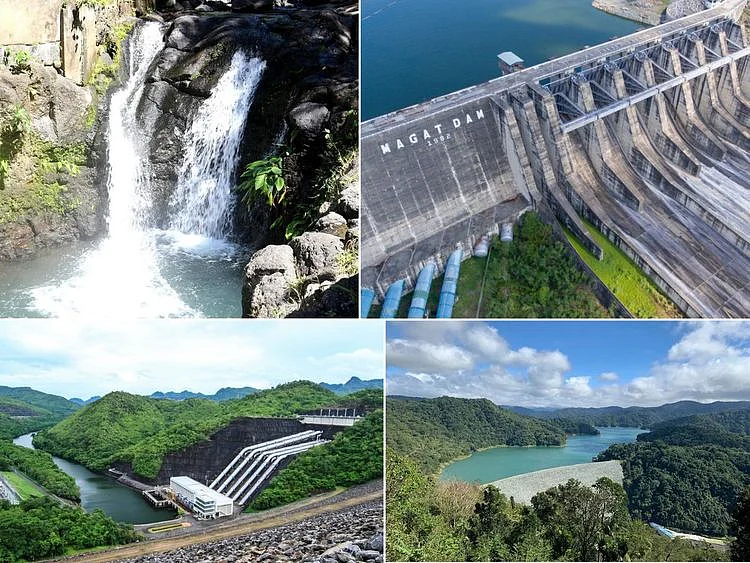
The Philippines urgently needs cheaper electricity, driven by a desire to boost industrial development and enhance energy security. However, proposed pumped-storage hydropower projects consistently face opposition from residents, church groups, environmental defenders, and accusations of inadequate consultation.
In the past five years, four major projects have faced significant opposition: the 1,400-MW Ahunan Pumped Storage Hydropower Project in Laguna, the proposed 300-MW San Roque hydropower project in Aklan, the 2,000-MW Maton hydropower project in Apayao, and the 8-MW Catiuran hydroelectric power plant in Oriental Mindoro.
Protests against these projects have included arrests, indignation rallies, and legal challenges. Local concerns and community opposition are not just "not in my backyard" complaints but revolve around water security, disaster risk, livelihoods, culture, and the credibility of environmental reviews.
Critics argue that community concerns should be viewed as valuable feedback to improve the long-term viability of projects. However, the real obstacle is the lack of trust. Developers need to provide transparent impact studies, fair compensation, independent assessments, enforceable water protections, and genuine public participation.
Without this, the Philippines will remain trapped between expensive, fossil-dependent electricity and stalled clean-energy projects. The solution is to build hydropower projects credibly, ensuring public permission for development.
Written by urgent.news from Gulf News's reporting — not their text. Machine-written — may contain errors; check the original before relying on it.