Investors expect markets to unwind as Brazil’s Lula reelected
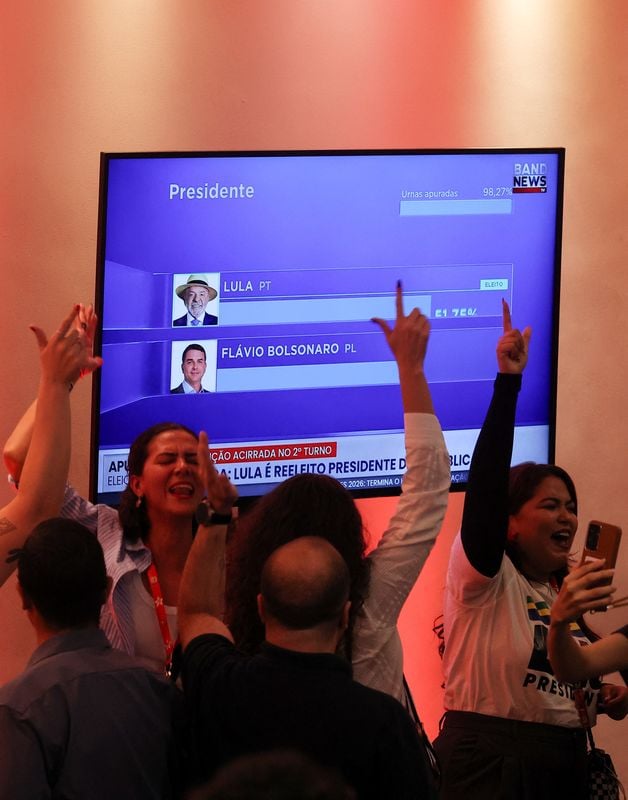
Brazilian President Luiz Inacio Lula da Silva secured reelection on Sunday, ousting right-wing Senator Flavio Bolsonaro, setting the stage for a tumultuous week in financial markets. Investors anticipate a substantial shift in market sentiment following the election, with recent bets on a change in government expected to unwind.
Markets had reacted sharply in anticipation of a right-wing shift since Bolsonaro, the son of a former president, finished first in the first round three weeks ago. Stocks dropped almost 7% from their pre-election levels, while the Brazilian real strengthened by nearly 5% against the US dollar. Interest-rate futures suggested expectations of reduced borrowing costs due to more manageable public finances.
Luis Felipe Vital, head of macro strategy at Warren Investimentos, expects a significant market reaction on Monday, characterized by aggressive re-pricing, asset selloffs, and interest rate futures reaching their upper limit shortly after the market opens. For Lula, the next four years will require a delicate balance as he must curb Brazil's debt growth while maintaining critical social programs and attracting investments.
The challenge for investors and Lula lies in whether his incremental approach to fiscal reform can effectively lower borrowing costs. If faith in his ability to deliver is lacking, lenders might increase interest rates, burdening the government's debt and making credit less affordable for businesses and households. Investors are looking for a clear and credible commitment to fiscal discipline, a reduction in campaign spending, and a credible path to stabilize public debt.
Lula's team aims to generate a budget surplus before interest payments amount to about 1.3% of gross domestic product by 2030, allowing funds to cover part of the interest bill and lessen the need for fresh borrowing. However, public debt already surpasses 82% of GDP, and essential spending, such as pensions, limits the scope for savings.
Lula has hinted at spending cuts but has not provided specifics on how they will be implemented. The selection of the next finance minister will be a critical indicator for investors, who want to see a budget and spending cap for 2027. Even if pessimism prevails in the short term, investors will need to monitor the government's economic agenda over the medium term.
Written by urgent.news from Investing.com's reporting — not their text. Machine-written — may contain errors; check the original before relying on it.
This story
This is one outlet's version. Read the fullest account.