India's voice AI challenges could shape global technology, says Murf AI co-founder
At TechSparks 2026, Sneha Roy, the co-founder and COO of Murf AI, explains how multilingual speech, smaller AI models, and cost-efficient infrastructure can make voice agents work across markets.
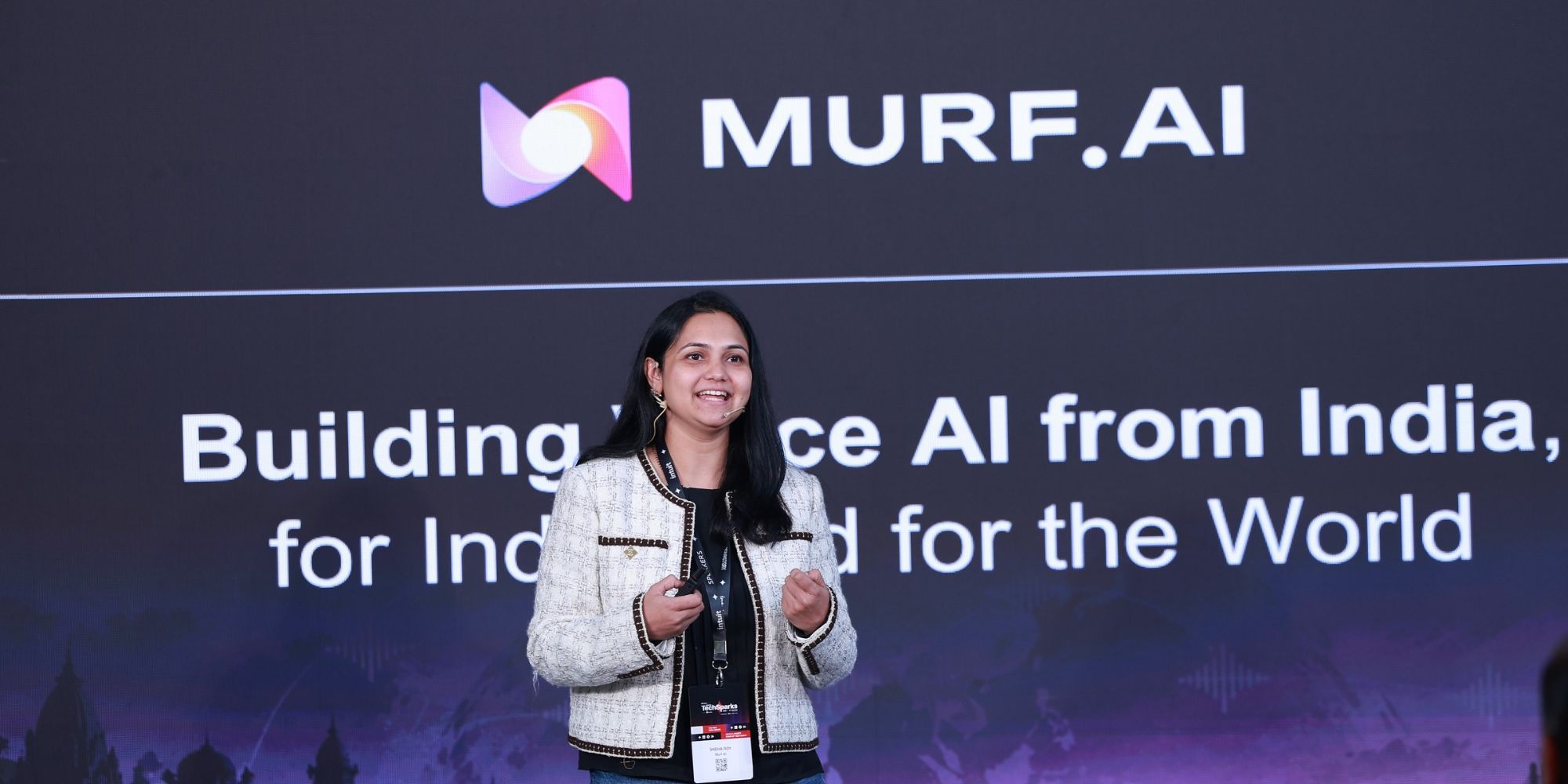
India's voice AI challenges could shape the global technology landscape, according to Sneha Roy, co-founder and COO of Murf AI. An everyday conversation in India poses significant testing for voice AI systems, which must accurately pronounce diverse names, comprehend mixed Hindi-English addresses, and maintain natural conversation flow. These are not exceptional scenarios for Roy; they represent the baseline for creating voice AI that works globally.
During a masterclass at TechSparks 2026, Roy discussed how India's linguistic complexity, infrastructure limitations, and cost factors are shaping the development of speech technology. She drew parallels with products that initially adapted to Indian users before expanding their reach. For instance, Google Maps introduced offline functionality for areas with poor internet connectivity, while Netflix's mobile-only plan has been adopted in 78 countries. Uber even piloted cash payment options in Hyderabad before expanding the feature globally.
Roy believes voice AI could follow a similar trajectory. She emphasizes the need to build systems that accommodate natural speech patterns, rather than forcing users to conform to technology. For example, a customer in Bengaluru might mix English and a regional language, pronounce an address in a local way, and expect PIN codes to be spoken digit by digit.
A model built on standard English may struggle with these nuances. "If the customer has to change the way they speak just to get the agent to cope up, or keep repeating their address or name, we haven't finished building it yet," Roy explained.
The core challenge lies in developing voice agents that respond quickly and operate cost-effectively at scale. Natural speech processing, language modeling, and speech generation typically have a response budget of 500-800 milliseconds. To meet this requirement, Murf has developed Falcon 2, a smaller speech model that runs efficiently across a wide range of GPUs. This approach has helped maintain low latency across different regions while improving cost efficiency.
Roy also stressed the importance of responsible voice data practices. Murf collaborates with over 400 voice actors through long-term, royalty-based partnerships and does not clone voices without consent. For customers with strict privacy requirements, the company offers APIs that process data without retention and provides on-premises deployment options for sensitive applications.
Roy asserts that India's linguistic diversity and infrastructure constraints should be seen as foundational requirements rather than secondary considerations. She concludes, "India is the spec capital of the world."
Written by urgent.news from YourStory's reporting — not their text. Machine-written — may contain errors; check the original before relying on it.