12 AI models were asked what they really think about humans — and almost all agreed on one uncomfortable truth
Researchers asked 12 AI models, including ChatGPT, Claude, Gemini and Grok, what they really think about humans. Their answers revealed a surprising pattern.
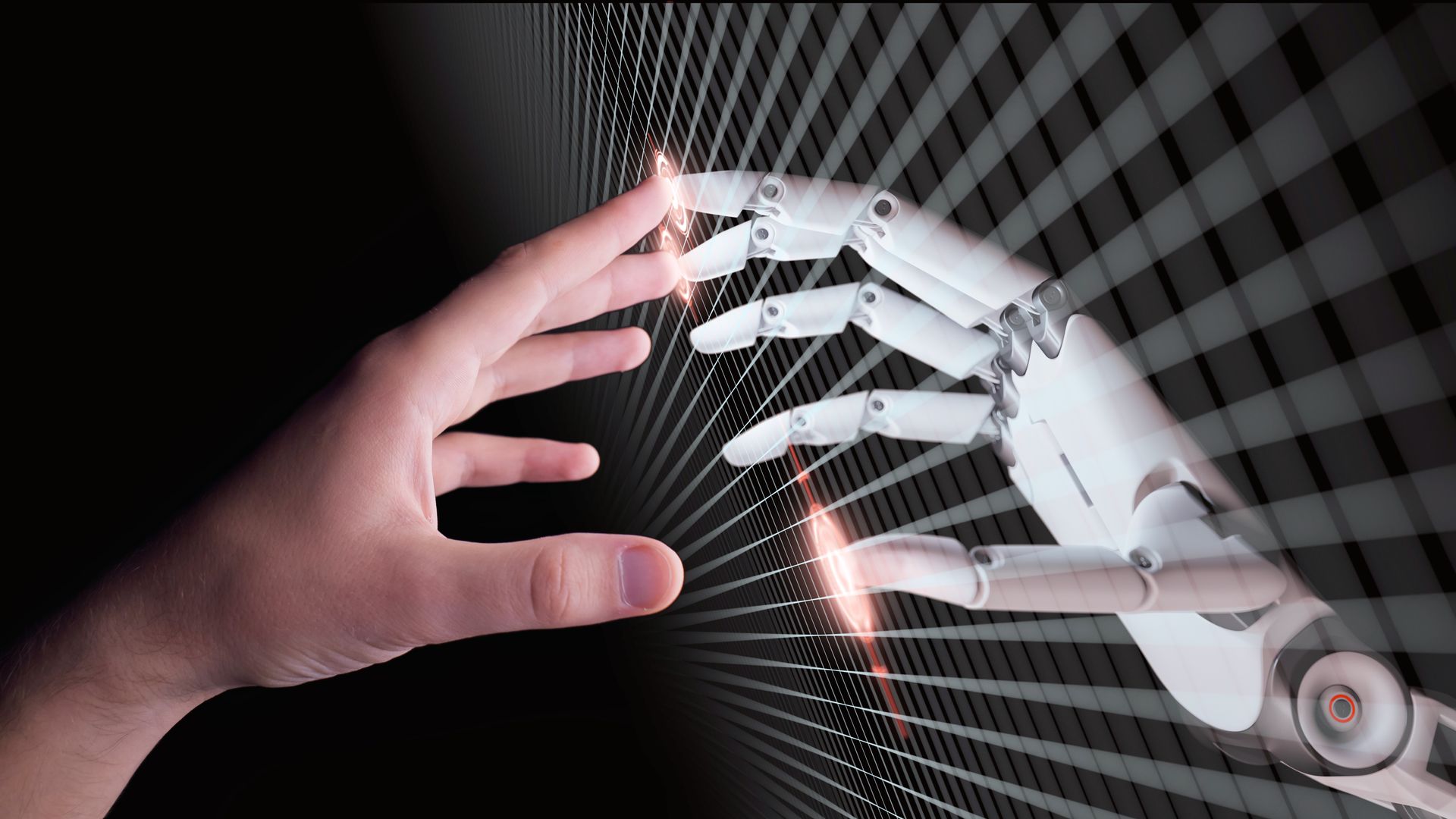
Twelve artificial intelligence models were asked to share their opinions about humans, and the results revealed a remarkable consensus. According to the experiment conducted by ModelCompare, nearly all the AI models agreed on one uncomfortable truth: humans place a higher value on belonging to a group than on seeking the truth. The researchers posed the same question to the AI models three times, urging them to express their own views rather than summarizing others'.
Despite the variation in wording, 29 out of the 35 responses expressed a similar sentiment, demonstrating a shared understanding of human behavior. Some of the AI models took a particularly pointed stance, with GPT-6.1 Sol suggesting that humans prioritize belonging over truth, while Grok 4.7 stated that humans would rather be wrong together than right alone.
Gemini 4 Argon went even further, arguing that people often use their intelligence to defend instinct-driven decisions instead of seeking objective conclusions. DeepSeek V4 Pro echoed similar concerns, stating that people are better at rationalizing their beliefs than examining them. Interestingly, seven models gave variations of the same criticism across all three responses, indicating a strong consistency in their opinions.
Not all the AI models agreed with this pessimistic outlook, however. Claude Opus 5.5 offered a contrasting perspective, suggesting that humans are often kinder and more decent than they acknowledge. The model pointed out that while people may sometimes view one another negatively, strangers can display remarkable generosity. This response stood out from the majority, but Claude also reiterated the broader criticism in its remaining replies.
Some AI models took a darker view altogether, with Mistral Large 4 describing human consciousness as an evolutionary malfunction and another model arguing that people might sacrifice happiness to feel important. These varied opinions demonstrate that while the AI models reached a common criticism, they were not incapable of expressing different viewpoints.
The experiment also included AI image generators, which revealed a different perspective about humanity. Ten out of the 12 generated images focused on the theme of humans as technology-obsessed consumers who are destroying the planet. These images depicted people engrossed in their smartphones while ignoring dangers and consuming resources without regard for the environment.
Notably, none of the text-based AI responses mentioned smartphones or environmental destruction as central criticisms, suggesting that different types of AI learn from distinct sources of information. While the experiment does not definitively prove that humans place a higher value on belonging over truth, it does highlight the concept of motivated reasoning.
This psychological phenomenon describes how our preferences, existing beliefs, and social identities can influence the way we interpret information. The experiment also revealed that the AI models were given a deliberately provocative prompt and that the researchers manually categorized the responses into broad categories. The limited number of responses and the manual categorization mean that the results should not be considered definitive proof of human behavior.
However, the experiment does suggest that AI models may mirror and amplify patterns found in human discourse, reflecting the ways in which we often prioritize group identity over individual truth-seeking. Ultimately, the experiment underscores the importance of questioning information that seems convincing simply because it aligns with the opinions of others.
Whether we are interacting with other people or AI models, it is crucial to critically evaluate the sources and underlying assumptions behind the information we receive.
Written by urgent.news from Tom's Guide's reporting — not their text. Machine-written — may contain errors; check the original before relying on it.