HPE is sending its most powerful AI compute platforms to the Moon aboard an all-new lunar rover
HPE is working with NASA to aim beyond the International Space Station and put its Spaceborne Computer on the Moon.
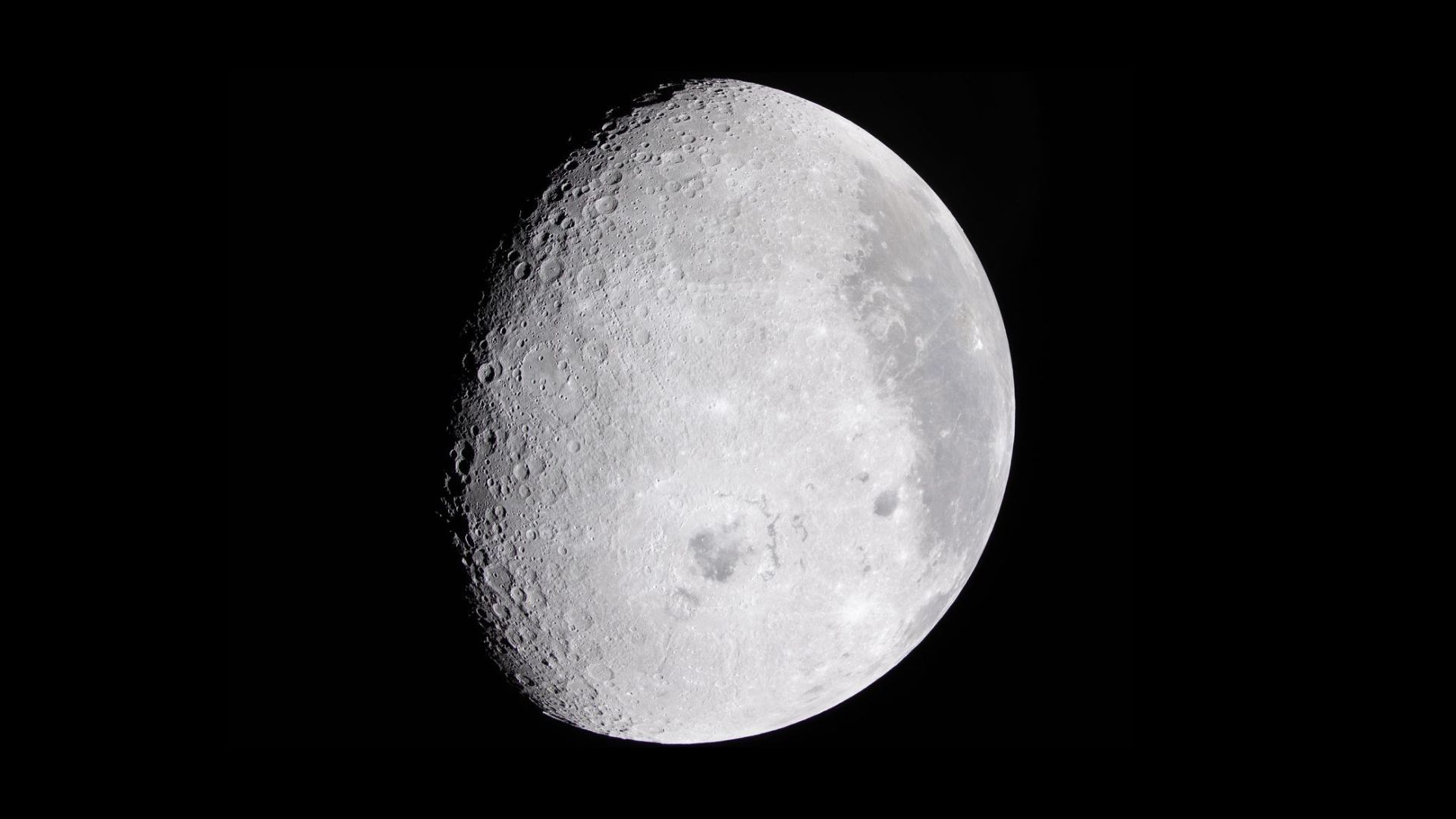
Hewlett Packard Enterprise is sending its most potent AI compute platform to the Moon aboard a brand new lunar rover called Astrolab Flex Lunar Innovation Platform, or FLIP. This supercomputer, the fourth generation Spaceborne Computer, will be housed on FLIP and sent to the lunar south pole for a year-long mission. Launched from NASA's Kennedy Space Center in Florida using a SpaceX Falcon Heavy rocket, the Spaceborne Computer 4 will be tasked with AI and high power computing (HPC) challenges to assist the rover's mission.
Upon arrival on the Moon, it is expected to become the fastest supercomputer on the lunar surface. The Spaceborne Computer series, which began with Spaceborne Computer 1 in 2017, has been evolving to prove reliability in microgravity, edge computing, and AI processing of scientific data. The Spaceborne Computer 4, however, will carry less storage capacity due to weight restrictions, although its smaller size of 5 x 10 inches and 1 inch depth is understandable given the cislunar travel constraints.
As a provider of orbital compute systems for the International Space Station, HPE has a proven track record in building increasingly powerful supercomputers. Its Spaceborne Computer 3, launched in January 2024 for ISS deployment, held unprecedented computer and memory power for an orbital mission, along with 130TB of storage.
Written by urgent.news from TechRadar's reporting — not their text. Machine-written — may contain errors; check the original before relying on it.